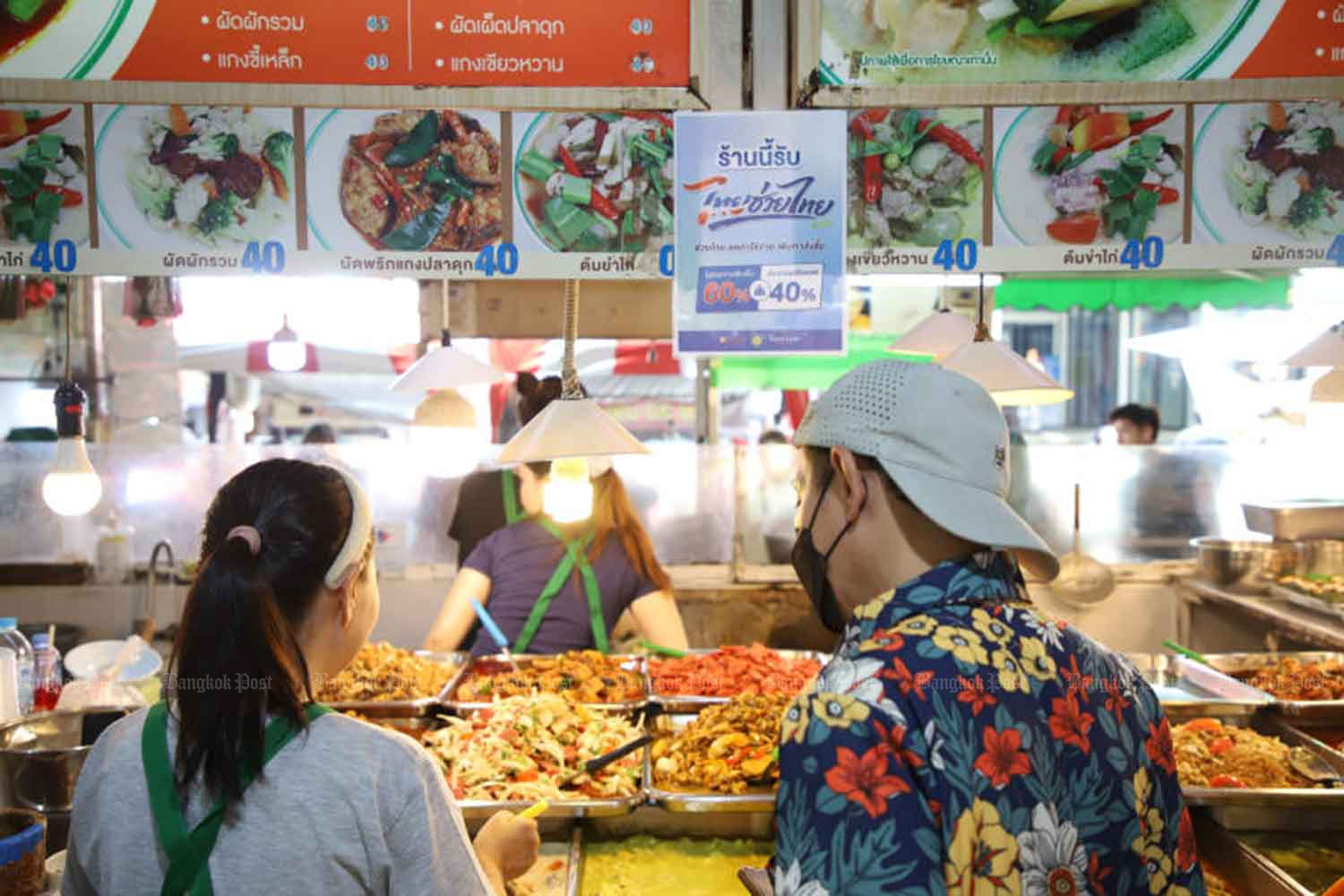
Prepared Food Prices Remain High in Thailand Despite Fuel Price Drops
Despite a drop in domestic fuel prices, the Thai Restaurant Association anticipates that prepared food prices will not decrease immediately due to rising costs for raw materials, packaging, labor, and electricity. Weak consumer purchasing power and sluggish economic conditions further hinder price reductions.
Despite a drop in domestic fuel prices, which is expected to boost consumer confidence, prepared food prices are unlikely to decrease immediately, according to the Thai Restaurant Association. Thaniwan Kulmongkol, president of the Thai Restaurant Association, stated that the decline in fuel prices is a positive sign likely to enhance consumer purchasing power. Following the onset of the Middle East war, many eateries raised their menu prices, citing higher costs. Diesel, a key component in business logistics, has fallen from over 50 baht per litre in early April to less than 35 baht. "Food prices tend to rise quickly, but reductions take more time," she noted. Many restaurateurs are still using inventory purchased at higher prices, including raw materials and packaging. Operators also continue to face high costs for rent, electricity, and labor, which have not decreased in line with energy prices. Some ingredient prices, such as vegetable oil, also remain high. "If the current reductions prove short-lived, operators may be reluctant to lower menu prices," according to her statement. In the broader market, Mrs. Thaniwan said operators will monitor customer response and competitor pricing. If competitors do not lower prices, they might not rush to decrease their own prices. Somchai Pornrattanacharoen, honorary advisor to the Thai Wholesale and Retail Trade Association, said Thailand's economy has remained sluggish for a long time, with consumer purchasing power still weak. He said lower energy prices will help ease concerns over the cost of living. While the Middle East war caused a spike in energy prices, most Thai consumer goods manufacturers were hesitant to raise their product prices. Instead, some opted to cut promotions typically offered to wholesalers. Thailand is a major manufacturer of consumer goods in the region, but border issues with Cambodia and Myanmar have hindered exports, resulting in increased domestic supply, said Mr. Somchai. An influx of foreign goods, likely from China, is worsening the glut and keeping consumer goods prices from rising, he said. The latest retail oil price cut helps to reduce costs in the local steel industry, which is struggling to compete with an influx of cheap steel imports from China, said the EAF Long Product Steel Producers Association. Chaichalerm Bunyanuwat, president of the association, said steelmakers will pay less for steel transport, reducing pressure in an intensifying market. "Decreasing oil prices will be reflected in lower inflation, which should stimulate consumer purchasing power," he said. However, the outlook in the Middle East remains volatile, and a permanent ceasefire in the region is crucial for the growth of the energy-intensive steel industry, said Mr. Chaichalerm. Many steel factories in Thailand rely on electricity for manufacturing. Gas accounts for nearly 60% of fuels used for power generation in Thailand. Geopolitical conflicts drive up prices of liquefied natural gas imported to the country. "The steel industry is using more renewable energy, notably solar power, but it accounts for a small proportion and remains expensive," he said.
多角的分析
燃料価格の下落は、タイ経済全体で物流コストの削減に寄与する可能性がある。しかし、外食産業においては、原材料費、人件費、家賃、電気代といった他のコスト要因が依然として高く、燃料価格の下落分がメニュー価格に転嫁されるには時間がかかる、あるいは転嫁されない可能性が高い。これは、企業がコスト構造の多角的な圧力を受けていることを示唆しており、特に輸入依存度の高い原材料の価格変動が、最終的な消費者物価に影響を与えるメカニズムが示されている。
投資家にとって、このニュースはタイの消費財メーカーや鉄鋼業界におけるコスト構造の複雑さを示唆している。燃料価格の下落は一部の業界でコスト削減に繋がる可能性があるが、他のコスト要因(人件費、原材料費、地政学的リスクによるLNG価格高騰など)が依然として利益率を圧迫する可能性がある。特に、中国からの安価な輸入品との競争や、地域紛争によるエネルギー価格の変動リスクは、投資判断における重要な要素となるだろう。再生可能エネルギーへの移行は長期的な視点ではプラスだが、現状ではコスト高である点が課題である。
タイ国民、特に低所得者層にとって、外食メニュー価格の高止まりは生活費への圧迫要因となる。燃料価格の下落が直接的に食費の低下に繋がらない現実は、消費者の購買力低下と相まって、日々の生活における経済的な不安を増幅させる可能性がある。また、タイが主要な消費財メーカーであるにも関わらず、国境問題や輸入商品の影響で国内価格が抑制されるという状況は、国内産業の競争力やサプライチェーンの脆弱性といった側面も浮き彫りにする。
タイ国民の生活実感として、燃料価格が下がっても食料品、特に外食の価格がすぐに下がらない現状は、物価上昇の恩恵を直接感じられないもどかしさがある。タイレストラン協会の会長が指摘するように、外食産業は燃料費以外のコスト(原材料、人件費、家賃、電気代)も抱えており、これらのコストが下がらない限り、メニュー価格の引き下げは難しい。これは、タイ国民が物価上昇による生活費の圧迫を実感し続ける要因となりうる。特に、地方や低所得者層にとって、外食は生活の一部であり、その価格維持は大きな影響を与える。
背景・歴史的文脈
タイでは、中東情勢の緊迫化に伴う国際的な原油価格の高騰が、2026年初頭にかけて国内の物流コストやエネルギーコストを押し上げていた。これを受け、多くの飲食店や小売業者が、原材料費や輸送費の増加を理由に、消費者向け価格の引き上げを実施した。その後、国際情勢の緩和や国内の需給バランスの変化により、ディーゼル油などの国内燃料価格は下落傾向に転じた。しかし、外食産業においては、燃料費以外のコスト、特に人件費、家賃、電気代、および一部の輸入食材の価格が依然として高水準にあり、価格引き下げには至っていない。また、タイ経済全体の低迷と消費者の購買力低下も、価格競争を抑制する要因となっている。
原文ソース
Bangkok Post