Sugar Farmers, Workers Demand Audit of P206.4 Million Pest Control Funds
As a sugarcane pest devastates farms in the Philippines' Negros Island, farmers and workers are demanding an independent audit of over P206 million allocated by the Sugar Regulatory Administration (SRA) for pest control, citing a lack of transparency and tangible support.
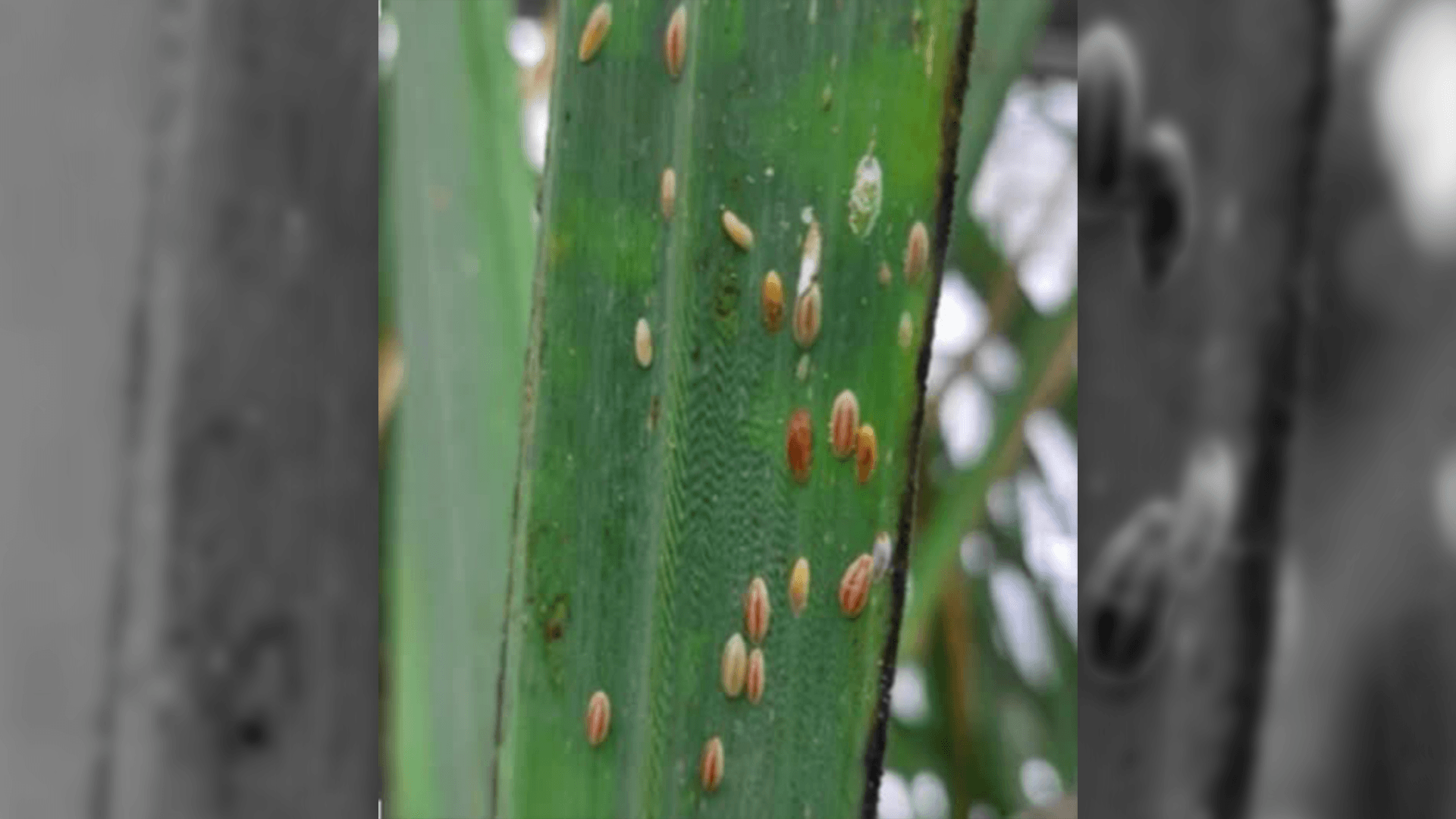
NEGROS OCCIDENTAL, Philippines – The Sugar Regulatory Administration (SRA) is now in “hot water” over the P206.4 million it reportedly spent to parry the red-striped soft scale insect (RSSI) infestation since last year. The National Congress of Unions in the Sugar Industry of the Philippines–Trade Union Congress of the Philippines (NACUSIP-TUCP), the country’s largest national federation of sugarcane plantation workers and sugar mill laborers, is demanding a full independent audit of the money spent to combat the pest. On June 23, at a high-end conference at the provincial capitol in Bacolod, SRA Administrator Pablo Luis Azcona told the media that SRA had already utilized P206.4 million since last year against RSSI. The agency’s mobilization of P206.4 million across the 2025 and 2026 fiscal cycles was aimed at combating RSSI infestation. The amount came from a combination of P177.5 million in SRA corporate funds and P28.9 million from the Sugarcane Industry Development Act–Quick Response Fund (SIDA–QRF). But Roland De la Cruz, national president of NACUSIP-TUCP, said small planters and workers have not received any concrete assistance, scientific intervention, or field‑level support. “Farmers themselves asserted that not a single peso of the supposed intervention has reached them. So where did the P206.4 million go?” De la Cruz said. Likewise, he noted that the agency has failed to present any public reports, program documentation, or independent evaluations to justify the multi-million-peso expenditure. “Farmers are suffering. Workers are losing jobs. Yet the SRA cannot even account where the P206.4 million went,” De la Cruz said. “Thus, we demand accountability, transparency.” Must Read Sugar farmers face new crisis as pest invades Negros Occidental plantations Elisama Gregorio, chairman of the NACUSIP-TUCP’s Agrarian Reform Beneficiaries Council, said the impact of this negligence will fall greatly on the agricultural workforce, who face immediate joblessness as standing canes dry up and die. “Farmers lose critical income every single harvest,” Gregorio said. On record, more than 80% of local sugar output in the province is courtesy of agrarian reform beneficiaries (ARBs)-turned-small sugar planters. They’ve outnumbered the Negros sugar barons in the ’70s, ’80s, and ’90s. Most of them are NACUSIP-TUCP members. Around 60% of the Philippines’ annual sugar consumption is being supplied by Negros. De la Cruz thus considers SRA’s laxity to contain RSSI as catastrophic “institutional failure.” The Confederation of Sugar Producers Association Inc. (CONFED), one of the biggest sugar planters’ groups in the country, is also seeking clarity from SRA on how the P206.4 million was disbursed and spent. As the RSSI problem spreads farther, affecting thousands of hectares and threatening the livelihood of tens of thousands of workers, Negros Occidental 5th District Representative Dino Yulo also expressed apprehension that the current crisis would worsen soon. RSSI multiplies faster more than what others think, Yulo, a sugar planter himself, said. “With this, we need a permanent Task Force RSSI with the governor of the province as chairman.” The congressman, who also used to be one of the former top SRA executives, suggested that amid RSSI infestation, village kagawads (barangay councilors) in the province are needed to be tapped for validation of the damage in their respective barangays. Meanwhile, validated data of the SRA, as of June 26, show that at least 16,019 hectares of sugar farms on Negros Island have been affected by RSSI reinfestation. Of the total affected areas, 14,447.83 hectares are in Negros Occidental and 1,571.33 hectares in its twin province of Negros Oriental. – Rappler.com Pest infestation in Negros Island, Western Visayas surges 867% in 16 days
多角的分析
SRAが発表した2億ペソ超の害虫対策費の使途不明瞭さは、フィリピンの主要農産物である砂糖産業の回復力に疑問符を投げかける。ネグロス島は国内砂糖生産の約60%を担うため、この問題は農産物価格の不安定化やサプライチェーンへの影響を通じて、国内経済全体に波及する可能性がある。農民への直接支援が行き届かない現状は、生産基盤の弱体化を招き、長期的な食料安全保障にも影響を与えかねない。資金の不透明な管理は、国際的な農業支援や投資にも悪影響を及ぼす可能性がある。
投資家にとって、このニュースはフィリピンの農業セクター、特に砂糖産業におけるガバナンスと透明性への懸念を浮き彫りにする。農民や労働者団体からの監査要求は、資金の不正流用や非効率な支出の可能性を示唆しており、これは投資リスクを高める要因となる。特に、ネグロス島に依存する砂糖産業への投資を検討している場合、SRAの資金管理体制の不備は、予測可能性の低下と資本保全への懸念を生じさせるだろう。今後のSRAの対応と監査結果が、投資判断に大きく影響すると考えられる。
ネグロス島のサトウキビ農家や労働者にとって、RSSIによる被害は生活基盤そのものを揺るがす問題である。農家は収穫量の減少や品質低下により収入を失い、労働者は職を失うリスクに直面している。SRAが発表した対策費が現場に届いていないという主張は、政府機関と現場の乖離、そして最も支援を必要としている人々への配慮の欠如を示唆している。特に、小規模農家や農業改革受益者(ARB)出身の農家が多数を占めるネグロス島において、彼らの声が届かず、支援が不十分である現状は、社会的な不満を高める要因となる。これは、地方のコミュニティにおける経済的格差の拡大にも繋がる可能性がある。
フィリピン市民、特にネグロス島の住民にとって、この問題は税金や公的資金がどのように使われているのか、という根本的な疑問を投げかけている。農作物を脅かす害虫対策に巨額の資金が投じられたにも関わらず、その効果が実感できない、あるいは資金の使途が不明瞭であるという状況は、政府への不信感を増幅させる。国民は、自分たちの生活や食料供給に直結する農業分野において、資金が適切かつ効果的に使われていることを期待している。今回の件は、公共資金の管理における透明性と説明責任の重要性を改めて浮き彫りにしている。
背景・歴史的文脈
フィリピンの砂糖産業は、特にネグロス島において、歴史的に重要な位置を占めてきた。かつて「砂糖王」と呼ばれた地主が支配的であった時代から、農業改革によって小規模農家が増加し、彼らが国内生産の多くを担うようになった。しかし、砂糖産業は価格変動や国際市場の影響を受けやすく、常に脆弱性を抱えている。近年、気候変動や病害虫の発生が、この脆弱性をさらに浮き彫りにしている。2023年には、同様の害虫被害がネグロス・オクシデンタル州で発生し、生産量に影響を与えた。今回のRSSI被害の拡大とSRAの資金使途に関する問題は、過去の教訓が生かされていない、あるいは構造的な問題が解決されていないことを示唆している。
原文ソース
Rappler Business