General articles are free for 24 hours after publish.
BARMM Post-Elections: The Urgent Need for a Governing Coalition
Following the first elected parliamentary elections in the Philippines' Bangsamoro Autonomous Region in Muslim Mindanao (BARMM), no single party secured a majority, making coalition building essential for stable governance. The region faces the challenge of integrating the peace process with democratic parliamentary politics.
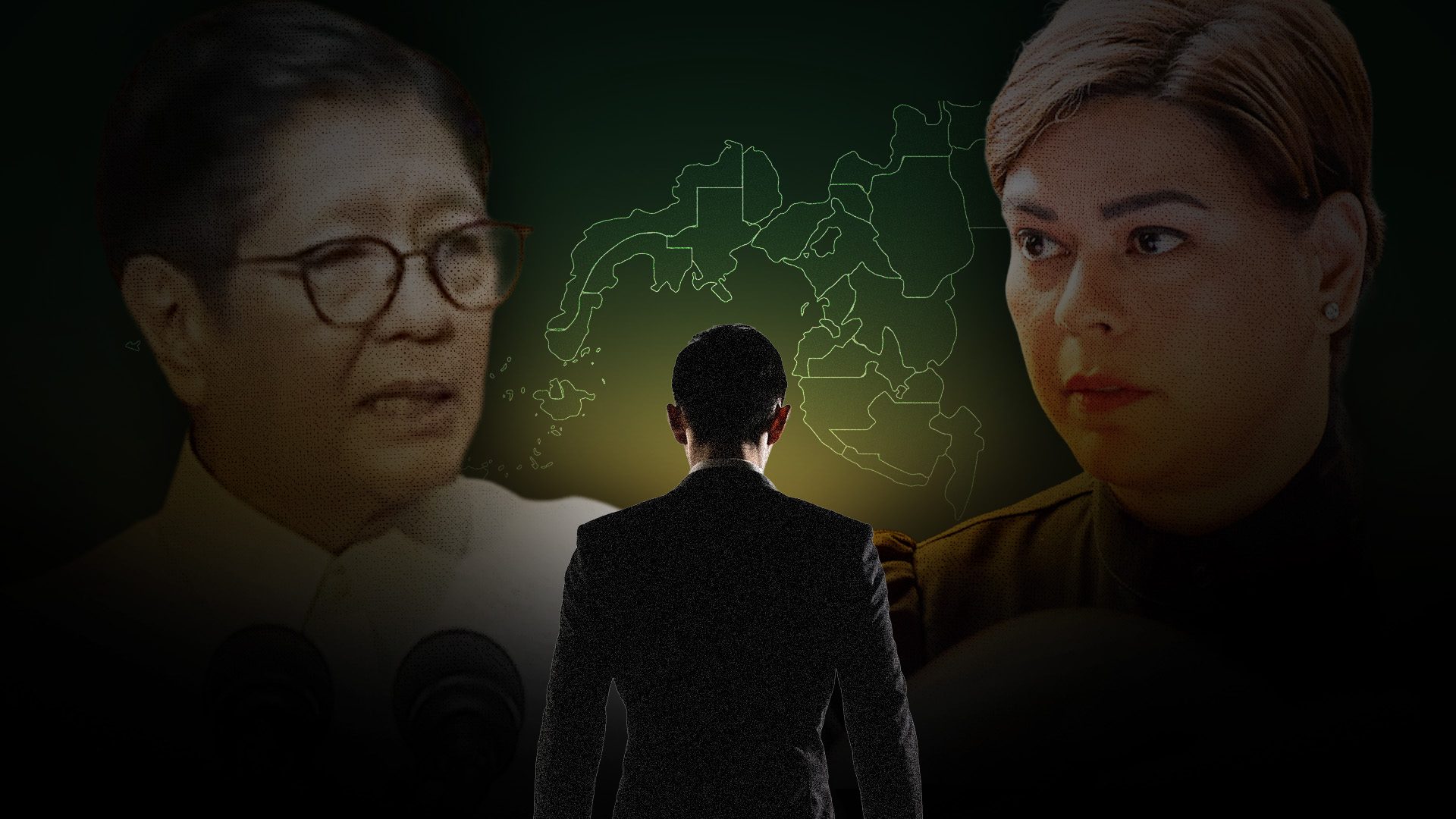
Following generally peaceful and democratic parliamentary elections in the Bangsamoro Autonomous Region in Muslim Mindanao (BARMM), the region now faces the complex challenge of governing. Unofficial results indicate that out of 13 political parties, only four are projected to cross the 2.5% threshold for regional representation. The Bangsamoro Federalist Party (BFP) leads with 16 party seats, followed by the Moro Islamic Liberation Front-led United Bangsamoro Justice Party (UBJP) with 15 seats, the clan alliance Bangsamoro Grand Coalition (BGC) with 8 seats, and the Bangsamoro People’s Democratic (Raayat) Party with 1 seat. For the 32 district representatives, incumbent chief minister Abdulraof Macacua of BFP won in Maguindanao del Norte, while MILF chairman Ebrahim Murad’s son, Mansor, secured a seat in the Special Geographic Area. The BFP secured a total of 13 district seats, the UBJP won 10, and the Adiong-led local party SIAP of Lanao del Sur obtained six. Three other local parties secured one seat each. The six elected sectoral seats all went to the UBJP, underscoring the MILF-affiliated party's dominance in these areas. Two representatives from the indigenous peoples in BARMM were elected prior to September 14. The newly formed 80-member parliament will consist of a total of 30 seats for the BFP, 29 for the UBJP, and 19 for clan-led political parties. With no single party holding a majority, the new government must be built through coalition, negotiation, compromise, and trust. The objective is to establish a stable governing majority capable of navigating disagreements, defections, political shocks, and budget negotiations over the five-year term, rather than merely the minimum number of votes to elect a chief minister. Coalition building will require not only the distribution of seats but also the appointment of competent ministers capable of managing public institutions. The BFP should propose a "Bangsamoro Governance Compact 2026–2031," outlining a common agenda on peace, development, and governance, to shift coalition negotiations from a focus on "What position do I get?" to "What government are we going to build?" This distinction is crucial. The relationship with the UBJP, representing the MILF's political tradition, is particularly crucial. The electoral transition should not be interpreted as the end of the MILF’s political relevance. The Bangsamoro Parliament itself is a product of the peace process, and the presence of former MILF leaders and representatives within the elected system is part of the transition from armed struggle to democratic politics. A BFP-UBJP coalition could symbolize a significant political transition, moving from the politics of the peace process to democratic parliamentary governance while preserving the gains of the peace process. Both parties should not be framed as competing sources of legitimacy; rather, the Bangsamoro needs to integrate legitimacy derived from the peace process, the ballot box, and the communities represented by elected district and sectoral leaders. Bringing these sources of legitimacy together would be a genuine measure of the success of the peace process. Furthermore, representatives associated with powerful political families and local networks, including the Adiongs, Ampatuans, Gandamras, Hatamans, Mangundadatus, Midtimbangs, and Sinsuats, are likely to be included in the parliament. These individuals should not be dismissed as mere "clan politicians." They represent real constituencies, and their constituents' concerns regarding roads, schools, healthcare, agriculture, fisheries, livelihoods, security, local government, and access to public services must be addressed. The key question is not whether these representatives have local political interests, but how those interests are incorporated into the governance framework. Information Source: Rappler Philippines
Original source
Rappler Philippines