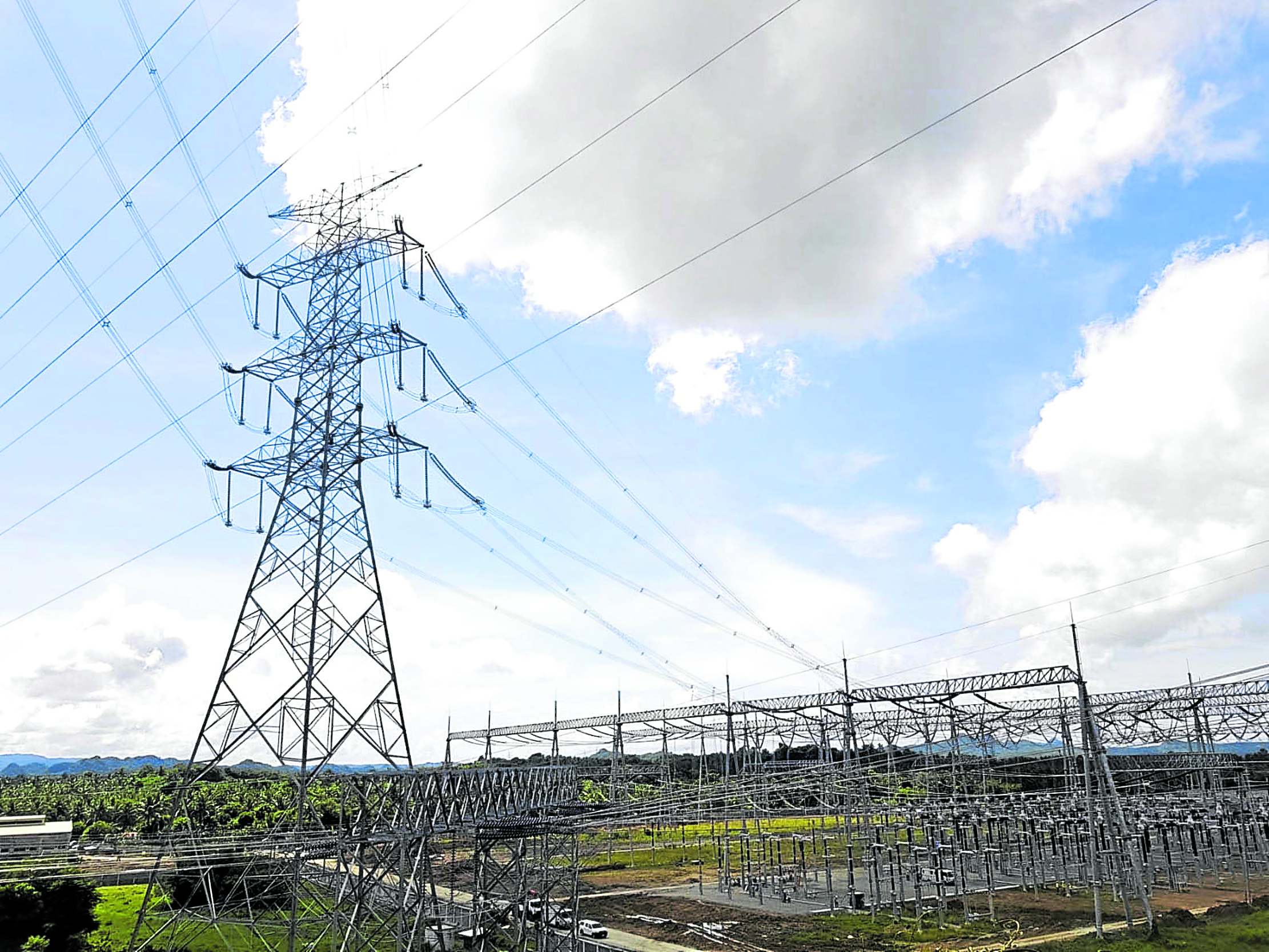
Visayas Grid Faces Tight Power Supply, Luzon Faces Water Woes
The Visayas grid in the Philippines is projected to operate on tight power margins next week, while Luzon faces concerns over dwindling water levels impacting electricity generation.
MANILA, Philippines — As if the water supply for households in Metro Manila and irrigation for Luzon were not enough, power is also emerging as another pressing problem, this time in the Visayas. The Visayas grid is expected to operate on razor-thin power margins for five straight days next week, according to officials of the National Grid Corporation of the Philippines (NGCP) in Cebu City. Based on NGCP’s weekly forecast, total available supply will hover between 2,736 megawatts (MW) and 2,907 MW from Monday, July 13 to Friday, July 17. Meanwhile, system peak demand is projected to range from 2,429 MW to 2,470 MW. The tightest margin is expected on July 17 when supply of 2,736 MW is projected to cover a peak demand of 2,429 MW, leaving an operating margin of just 307 MW. On July 14, it follows closely, with supply at 2,758 MW against a 2,439-MW peak, or a 319-MW buffer. Wednesday and Thursday are expected to see slightly wider but still thin margins, at 352 MW and 351 MW, respectively. The Visayas grid has been under close watch in recent months amid recurring alerts linked to unplanned outages at key power facilities, including Therma Visayas Inc. and, more recently, the Palm Concepcion Power Corp. Additionally, the Cebu-Iloilo Panay Energy Development Corp. transmission line tripped, isolating the power plant’s Unit 3, which has been recently reactivated. The Department of Energy has previously pointed to aging plants and thin reserves as recurring stress points for the island grid, prompting calls to fast-track battery energy storage system projects and other reserve-boosting measures. Consumers in Cebu, Iloilo, Bacolod and other parts of the Visayas have felt the impact of tight supply through unplanned power interruptions during past alert periods, particularly during the peak afternoon and early evening hours when demand typically spikes. In Luzon, water is also expected to affect the power situation as nine dams across Luzon continue to see lower water elevations since May. The water level at Magat Dam, one of northern Luzon’s largest reservoirs, has continued to decline and is now close to its critical elevation of 160 meters. The dam generates up to 380 megawatts of power and irrigates some 90,000 hectares of rice land in Isabela, Cagayan, Quirino and Nueva Vizcaya. As stated in a previous report, the National Irrigation Administration said water recession at the reservoir has averaged 80 centimeters a day because of the lack of heavy rains at the watershed in the past weeks. It said that without significant rainfall, a “critically low level” would be imminent by mid-July unless irrigation supply is reduced further or rationed among thousands of farm workers who depend on the dam for land preparation and palay production. The dwindling water level has already contributed to a massive fish kill that affected more than 1,400 fishermen and fish cage operators. (See related story in Regions, Page A5.) Energy officials fear the threat of declining dam water levels to electricity supply because it can affect water flow and the pressure needed to operate hydroelectric turbines. As a result, power plants generate less electricity, placing additional strain on the grid during peak-demand seasons such as dry seasons and heat waves. —WITH A REPORT FROM CEBU DAILY NEWS
多角的分析
ビサヤ諸島における電力供給の逼迫は、産業活動への直接的な影響をもたらす。製造業やサービス業は、計画外の停電により生産性の低下や機会損失に直面する可能性がある。特に、電力依存度の高いBPO(ビジネス・プロセス・アウトソーシング)産業は、サービス提供の遅延や顧客満足度の低下を招き、国際的な競争力にも影響を与えかねない。また、経済活動の停滞は、雇用機会の減少や消費の冷え込みにもつながる恐れがある。ルソン島における水不足による電力への影響も、農業生産への打撃に加え、経済全体の成長鈍化要因となりうる。
電力不足は、フィリピンへの投資リスクを高める要因となる。特に、電力インフラへの依存度が高い産業においては、安定した電力供給の確保が事業継続の生命線となるため、投資家は供給不安を懸念するだろう。再生可能エネルギーや蓄電池システムへの投資は、長期的な視点では有望だが、短期的な供給能力の不足は、既存事業者の収益性を圧迫し、新規投資の判断を鈍らせる可能性がある。また、インフラ整備の遅れは、フィリピン経済の潜在成長率を引き下げるリスク要因として認識される。
ビサヤ諸島における電力不足は、日々の生活に不可欠な家電製品の使用を制限し、家庭の快適性を損なう。特に、暑い気候下では、扇風機やエアコンが使えないことは、健康問題を引き起こす可能性もある。また、通信インフラへの依存度も高まっているため、停電はインターネット接続や携帯電話の利用にも影響を与え、情報へのアクセスを遮断する。ルソン島での水不足による魚の大量死は、漁業コミュニティの生計を直接的に脅かし、食料供給にも影響を及ぼす。これは、地方における経済格差の拡大にもつながりかねない。
ビサヤ諸島に住む市民は、電力不足による生活への影響を直接的に感じている。特に、暑い時期にエアコンや扇風機が使えないことは、熱中症のリスクを高める。また、冷蔵庫が使えないことで食品の保存にも困る。ルソン島では、水不足が漁業に打撃を与え、漁師たちの収入源を奪っている。これは、食卓に並ぶ魚の価格にも影響を与える可能性がある。市民は、政府に対して、より安定した電力供給と、水資源の持続可能な管理を求めている。
背景・歴史的文脈
フィリピンでは、地理的な制約やインフラ投資の遅れから、電力供給の不安定さが長年の課題となっている。特に、島嶼国家であるため、地域間の電力融通が難しく、各地域の電力網が独立して運用されている側面がある。ビサヤ諸島では、発電所の老朽化や予備力の不足が、計画外の停止による電力不足を頻発させている。ルソン島では、水力発電への依存度が高く、乾季における降雨量の減少が発電能力に直接影響を与える。これらの問題は、過去にも繰り返し報告されており、根本的な解決には至っていない。
原文ソース
Inquirer NewsInfo