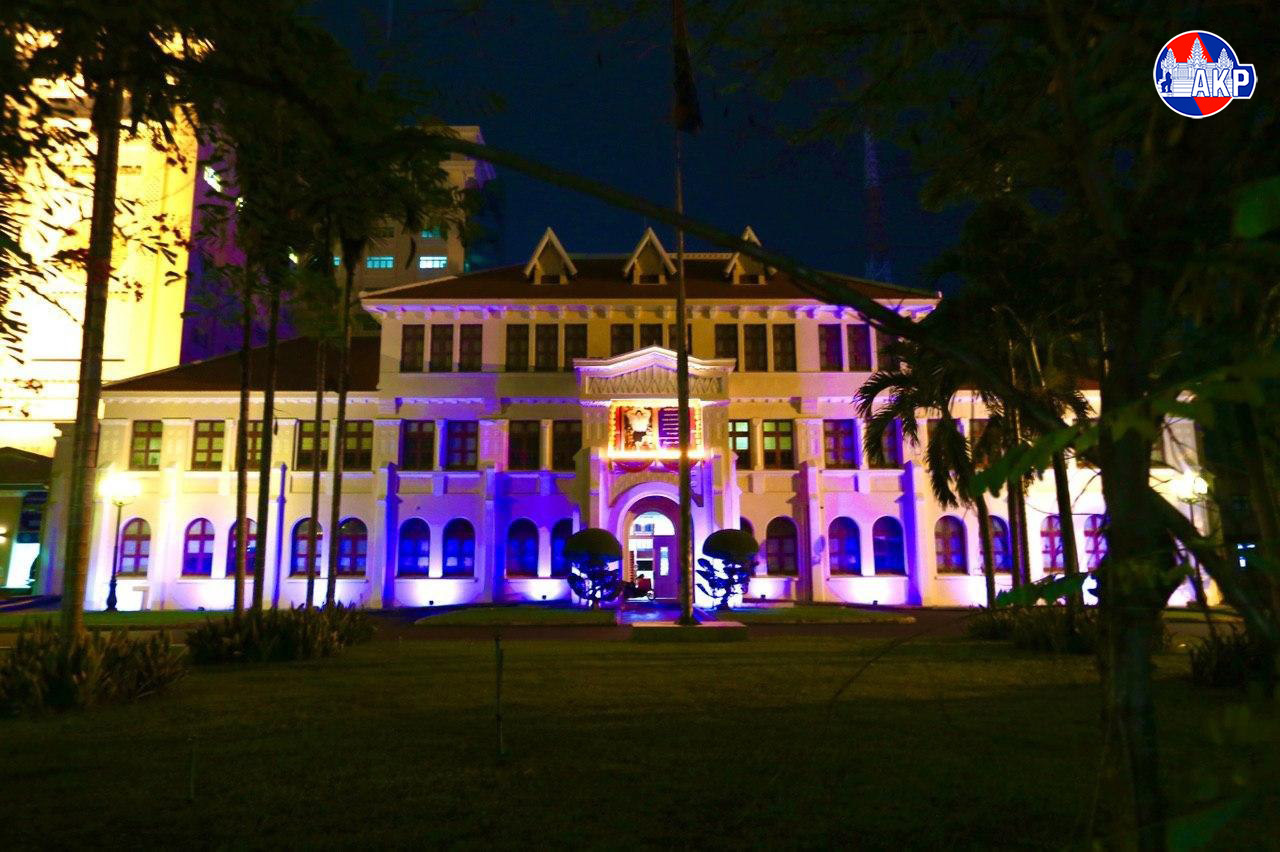
French Colonial Architecture in Phnom Penh Continues to Fascinate Foreign Tourists
Phnom Penh's French colonial architecture, with its unique style blended with local culture, continues to attract tourists worldwide. However, the preservation of these historic structures faces challenges amid rapid urban development.
Read up to 3 eligible full articles per Japan day (JST) for free
Create a free account to open up to 3 eligible full articles per Japan calendar day (JST). Headlines and summaries remain available across ASEAN 7.
Related articles
- New Bilingual Book Showcases Cambodia’s Rich Cultural Heritage
As Cambodia prepares to host the 2026 Francophonie Summit, a new bilingual book, "The Smile of the Cambodian People," published in Khmer and French, has been released. The 200-page publication explores the nation's rich cultural heritage, traditions, and history beyond the famous Angkor temples, offering a fresh perspective.
- Phnom Penh Authorities Urge Tourism Businesses to Prepare for Francophonie Summit
With Cambodia set to host the Francophonie Summit in mid-November, Phnom Penh's Deputy Governor has urged tourism businesses to prepare to offer the highest level of hospitality to numerous international delegates and tourists from 92 countries. The call came during a World Tourism Day event themed 'Digital Agenda and Artificial Intelligence for Tourism Recovery'.
- Cambodia's 'Green Season' Tourism Promoted Through Youth Video Contest
The Ministry of Tourism and Tnaot Media held an awards ceremony for the 'Visit Cambodia in the Green Season 2026' video contest. The initiative aims to leverage the talents of young creators to showcase Cambodia's tourism potential globally, with winners receiving prizes.
- Three French Colonial Markets Connected, Resembling an Airplane from Above
Three markets built during the French colonial era in Cambodia—the Central Market in Phnom Penh, the Battambang Market, and the Kampong Cham Market—are revealed to possess a unique architectural design that, when viewed from above, forms the shape of an airplane. These markets are highlighted as legacies demonstrating advanced engineering and planning from that period.