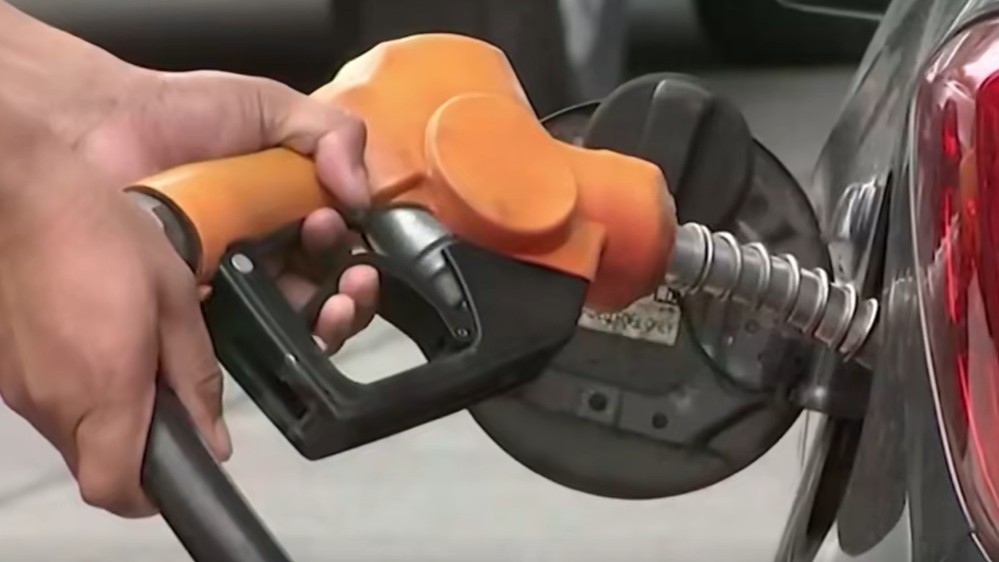
Red Sea Tensions Spark Fears of Soaring Fuel Prices in Philippines
The Philippines faces potential significant increases in fuel prices if shipping disruptions in the Red Sea continue, a Department of Energy (DOE) official warned Friday. The impact could be severe, especially if Saudi Arabia's oil pipelines are damaged.
This article requires PRO
This article is outside the free access window or is a special report. PRO unlocks it and the full archive.
Related articles
- Top Defense Officials Visit Basilan After Convoy Ambush
Following a military convoy ambush in Basilan, the Philippines' Defense Secretary and AFP Chief of Staff rushed to the area. They convened a security conference to assess the situation and discuss security measures.
- Primary suspect in murder of 2 retired teachers arrested in Cotabato, cash and jewelry recovered
The primary suspect in the murder of a retired teacher couple in North Cotabato was arrested, with a large amount of cash and some of the victims' jewelry recovered. Police also found evidence suggesting the suspect knew the victims.
- 3 Drug Suspects Busted in Cagayan; P764,000 Worth of Shabu Seized
Three high-value drug suspects were arrested in Amulung, Cagayan, Philippines, with an estimated P764,000 worth of shabu seized. Among those apprehended were two butchers and a Chinese translator.
- Unemployed Man Nabbed in Pangasinan Drug Bust
A 38-year-old unemployed man was arrested in San Carlos City, Pangasinan, for alleged possession and sale of suspected shabu, with seized drugs valued at approximately P246,000.