Thailand, Malaysia Resolve Seafood Trade Dispute, Target Quick Market Reopening
Economy
2026年7月9日
5
Khaosod English
Relations
🇹🇭Thailand🇲🇲Myanmar🇲🇾Malaysia🌐United Nations / ASEAN

Thailand, Malaysia Resolve Seafood Trade Dispute, Target Quick Market Reopening

AI サマリー

Thailand and Malaysia have agreed to resolve a seafood trade dispute that disrupted exports, aiming to reopen markets within a week. Leaders also discussed deepening economic cooperation, infrastructure development, and regional issues.

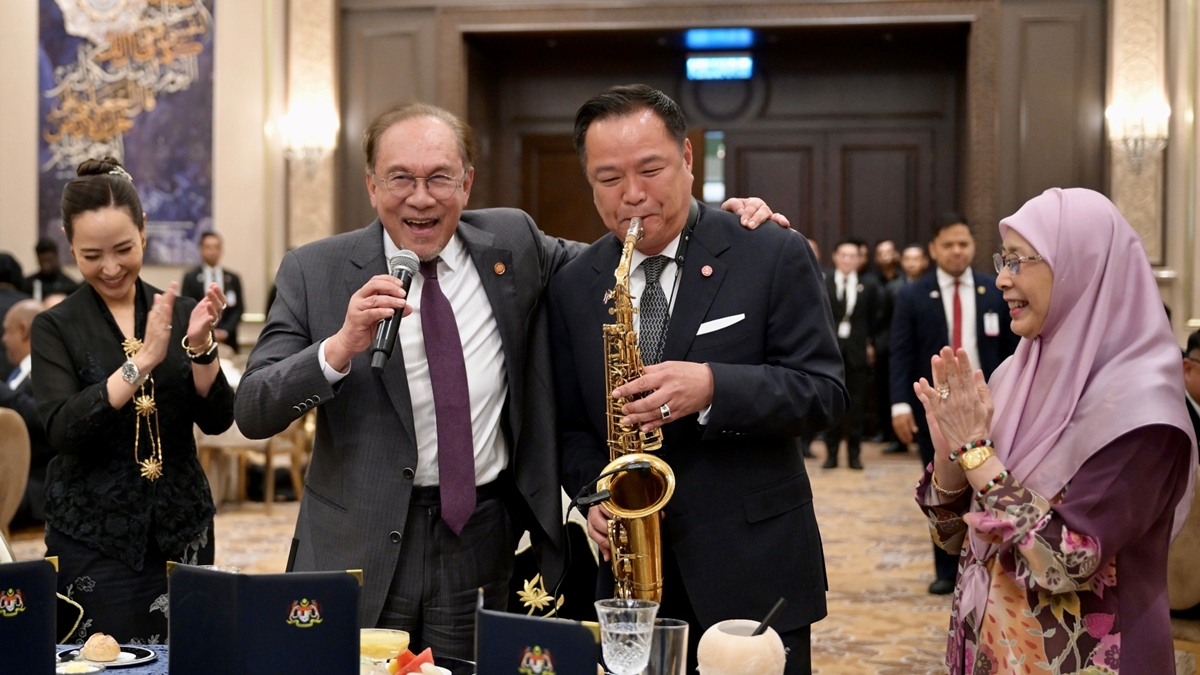
PUTRAJAYA, Malaysia — Thailand and Malaysia have agreed to swiftly resolve a recent fisheries trade dispute that disrupted seafood exports between the two countries, with both governments aiming to reopen affected markets within a week. The breakthrough came after talks between Thai Prime Minister Anutin Charnvirakul and his Malaysian counterpart Anwar Ibrahim in Putrajaya on Thursday, during Anutin’s two-day official visit aimed at strengthening bilateral ties. “We have resolved this outstanding issue of fisheries,” Anwar told reporters after the meeting, adding that both sides agreed the measures should be implemented within one week. The dispute flared earlier this year after Thailand suspended imports of Malaysian sea bass over concerns about chemical residues. Malaysia later imposed temporary restrictions on certain varieties of Thai shrimp, citing food safety controls. According to the Thai government, agriculture ministers from both countries have now reached a mutual understanding and will expedite the reopening of agricultural and fisheries markets to ease the impact on farmers and seafood producers. The two leaders also agreed to deepen economic cooperation by accelerating plans for a special border economic zone and improving cross-border trade and transport links. On Friday, Anutin and Anwar are scheduled to jointly inaugurate the new Sadao border checkpoint in Thailand’s Songkhla province and Malaysia’s Bukit Kayu Hitam crossing, the busiest land trade gateway between the two countries. Both governments also pledged to advance several connectivity projects, including the resumption of the Satun–Kuala Perlis ferry service, integration of ticketing systems for rail services between Bangkok, Hat Yai and Butterworth, the restoration of the Sungai Kolok–Rantau Panjang railway, and construction of a new cross-border bridge. Thailand and Malaysia also reaffirmed their commitment to boosting bilateral trade, with a shared target of reaching 30 billion in trade in the near future. The leaders said they would strengthen supply chains in food security, energy and high-tech industries while promoting investment, tourism and job creation in border areas. The two prime ministers also witnessed the exchange of a memorandum of understanding on agricultural cooperation covering crops, livestock, fisheries, research, technology transfer, human resource development and food security. On regional issues, Anwar praised Thailand’s role in addressing the crisis in Myanmar, saying both countries believe lasting progress will require constructive engagement by all stakeholders. Thailand, which shares a long border with Myanmar, has continued humanitarian assistance while supporting regional efforts to restore peace. Addressing security concerns closer to home, Anutin said ending violence in Thailand’s southern border provinces remained one of his government’s highest priorities, stressing that economic development and peace-building must go hand in hand. The two countries also agreed to expand cooperation against transnational crime, drug trafficking, human trafficking and border security, while establishing a joint mechanism to manage the Golok River and improve flood warning systems. The post Thailand, Malaysia resolve seafood trade dispute, target quick reopening of fisheries market appeared first on Khaosod English.

多角的分析

経済的影響

タイとマレーシア間の水産物貿易紛争の迅速な解決は、両国の経済的相互依存の深さを示唆している。特に、食料安全保障は両国にとって戦略的な重要性を持ち、サプライチェーンの安定化は経済成長の基盤となる。今回の合意は、農産物・水産物市場の再開を早めることで、生産者への直接的な経済的打撃を軽減し、地域経済の活性化に寄与すると考えられる。さらに、国境経済特区の加速やインフラ整備は、長期的な貿易促進と投資誘致に繋がり、両国のGDP成長に貢献する可能性がある。

投資家心理

今回の紛争解決は、タイとマレーシア間の貿易リスク低減を示すポジティブなシグナルであり、投資家にとって安心材料となる。特に、水産物セクターや関連産業への投資意欲を高める可能性がある。両国が掲げる300億ドルの貿易目標達成に向けた協力強化は、サプライチェーンの安定化と市場アクセスの改善を期待させる。インフラ整備への投資も、物流コストの削減や新たなビジネス機会の創出に繋がり、長期的な投資環境の改善に寄与すると見られる。ただし、地域情勢や国際的な食料安全保障の動向も注視する必要がある。

社会的影響

水産物貿易紛争の解決は、タイとマレーシア双方の漁業関係者や農家にとって、直接的な生計への影響を最小限に抑える重要な一歩となる。市場の早期再開により、生産者は収入の安定化を見込むことができる。また、国境地域におけるインフラ整備や経済協力の深化は、地域住民の雇用機会創出や生活水準の向上に繋がる可能性がある。ミャンマー情勢へのタイの関与や、タイ南部国境県の平和構築への言及は、地域全体の安定と人々の安全な生活への期待を高める。

市民の声

タイとマレーシア間の水産物貿易紛争の解決は、両国の一般市民、特に食料品店やレストランでシーフードを購入する人々にとって、価格の安定や供給の確実性という形で恩恵をもたらす。紛争による輸入制限は、一時的に品薄や価格上昇を招く可能性があったため、今回の合意は消費者にとって朗報と言える。また、国境地域のインフラ整備や物流改善は、将来的には地域間の移動や物資の流通を円滑にし、生活の利便性を向上させる可能性がある。

背景・歴史的文脈

タイとマレーシアは、ASEAN加盟国として長年にわたり緊密な経済・政治関係を築いてきた。両国は地理的に隣接し、貿易、投資、人的交流において重要なパートナーである。特に国境地域は、経済活動のハブとして機能してきた。しかし、貿易摩擦は両国関係において時折発生しており、過去にも農産物や工業製品を巡る紛争が起こっている。今回の水産物貿易紛争は、食料安全保障への懸念が高まる中で発生し、両国政府は経済的影響と国民生活への配慮から、早期解決を模索した。ミャンマー情勢への言及は、タイが長年抱える地域安全保障上の課題と、ASEAN内での役割を反映している。

原文ソース

Khaosod English

原文を読む