General articles are free for 24 hours after publish.
ADB Lowers Cambodia's 2026 Growth Forecast to 3.9% Amid Tourism Slump
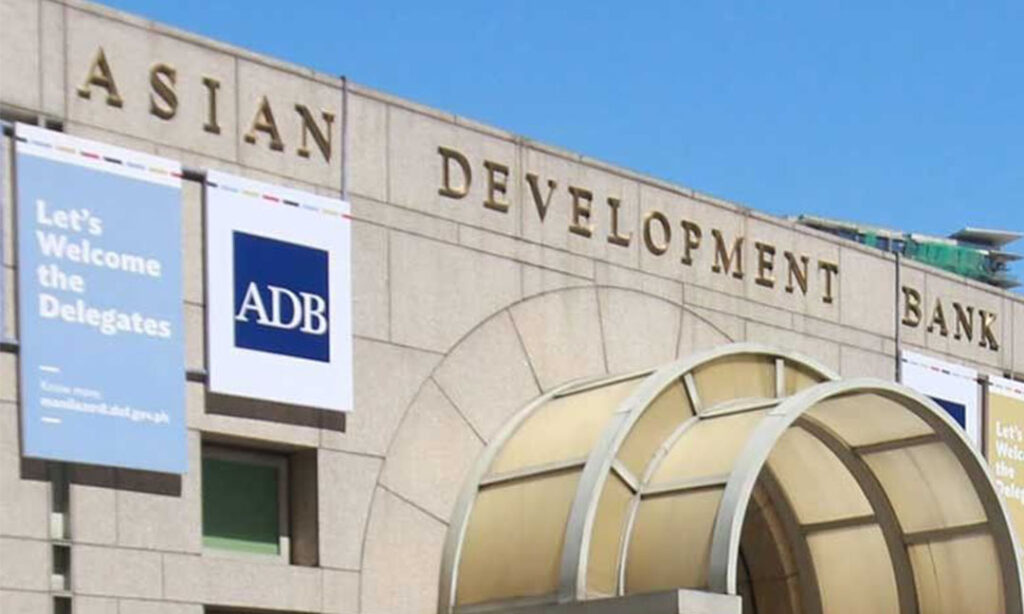
The Asian Development Bank (ADB) has revised Cambodia's 2026 economic growth forecast down to 3.9%, citing a faltering tourism sector and rising import costs. While manufacturing remains robust, concerns linger over the broader impact on the services industry.
The Asian Development Bank (ADB) has lowered Cambodia’s 2026 growth forecast to 3.9 percent, down from 4.1 percent in July, citing weaker‑than‑expected activity in tourism and related services. The revision comes just weeks after the Ministry of Economy and Finance (MEF) cut its own projection to 4.1 percent, from the 5 percent target set under the budget law, reflecting similar concerns over agriculture and tourism. The ADB said growth is expected to strengthen to 4.7 percent in 2027, supported by resilient manufacturing, export diversification and continued foreign direct investment. “Cambodia’s economy continues to demonstrate resilience,” said ADB Country Director Yasmin Siddiqi. “Strong manufacturing exports and buoyant investment inflows are helping offset tourism sector challenges.” According to the Asian Development Outlook released Wednesday, inflation forecasts have been revised upward amid higher global oil prices and rising import costs. Inflation surged from 2.6 percent in February to 7.2 percent in May before easing to 5.5 percent in July. ADB now expects inflation at 4.7 percent in 2026 and 2.8 percent in 2027, with fuel tax relief and a broadly stable riel helping moderate pressures. Fiscal policy is expected to remain supportive through the government’s Comprehensive Intervention Program, which channels investment into infrastructure, human capital and social protection. The current account deficit is projected to widen in 2026 due to higher import costs and weaker tourism revenue, though strong foreign direct investment is expected to sustain reserves at about seven months of import cover. Industry remains the main driver of growth. Non‑garment manufactured exports expanded by 38.4 percent year on year in the first half, led by electrical components, vehicle parts, tires and wooden goods. Garment exports rose 6.3 percent to $8.0 billion, while construction and real estate stayed subdued. Services are under pressure as international visitor arrivals fell 47.9 percent year on year to 1.8 million in the first half, or just over half of pre‑pandemic levels. The closure of the Cambodia–Thailand land border, geopolitical tensions and concerns over transnational scam activities weighed on tourism‑related activity, including transport, hospitality and retail. Agriculture is expected to make a modest contribution, supported by demand for cashews, cassava and milled rice, though higher input costs remain a drag. The MEF has warned that El Niño‑related weather disruptions could further affect rural livelihoods in late 2026 and early 2027. Both ADB and MEF highlighted downside risks from weaker global demand, prolonged geopolitical tensions and elevated commodity prices. The government said diversification into non‑garment manufacturing is beginning to provide a buffer, but uneven performance across sectors underscores the fragility of Cambodia’s recovery.
Original source
Kampuchea Thmey English