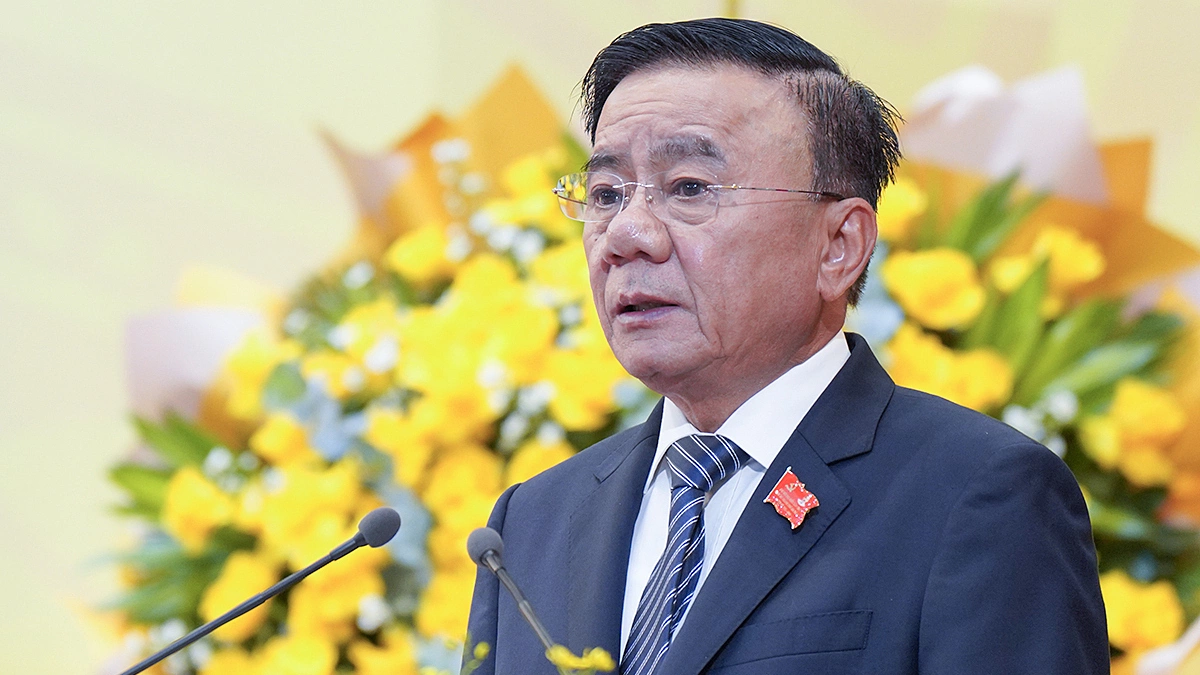
Vietnam to Reform Penalties in Economy, Technology Sectors, Reducing Imprisonment
Technology
2026年6月29日
6
VnExpress

Vietnam to Reform Penalties in Economy, Technology Sectors, Reducing Imprisonment

AI サマリー

Vietnam's Communist Party Politburo has ordered a review of criminal penalties in the economic and technology sectors, advocating for reduced prison sentences and enhanced economic sanctions. This move aims to foster investment and create a judicial system that does not hinder economic growth.

The Politburo of the Communist Party of Vietnam has directed a review of criminal penalty policies in the economic and technology sectors, aiming to reduce prison sentences and strengthen economic sanctions. This move is intended to encourage investment and foster economic growth without hindering business activities. On June 22, Standing Committee Secretary Tran Cam Tu, on behalf of the Politburo, issued a conclusion on continuing to strengthen the Party's leadership in crime prevention and control in the new situation, contributing to building a disciplined, safe, civilized, and harmonious, and developed society. Alongside the call to reduce imprisonment and increase economic penalties in economic and technology fields, the Politburo also requested research into applying stricter criminal policies and sanctions for environmental crimes, food safety violations, and public health infringements. It also instructed relevant agencies to develop and implement a national crime prevention target program for the period 2026-2035. The conclusion emphasizes the need for early, remote, and grassroots prevention measures, and for fundamentally addressing the causes and conditions that lead to crime and legal violations. It also calls for innovation in the execution of prison sentences and the education and rehabilitation of inmates. Effective vocational training, job creation, and financial support for individuals recovering from drug addiction and those completing their sentences to reintegrate into the community are also highlighted. Furthermore, agencies are tasked with conducting a comprehensive review to dismantle complex criminal organizations, networks, groups, and hotspots. Key and sensitive sectors with a high potential for corruption, waste, and negativity must be effectively controlled. The approach to crime prevention needs to shift significantly from reactive response and xử lý (handling/processing) to proactive prevention and risk management, closely combined with decisive struggle and strict punishment for all criminal acts. "Investigation, prosecution, trial, and sentence execution must be professional, modern, and strict, ensuring no wrongful convictions, no escaped criminals, and no hindrance to development, investment, and business activities," the conclusion states, emphasizing the importance of recovering assets derived from criminal activities. Previously, during a National Assembly question-and-answer session in March 2023, Mr. Le Minh Tri, then Procurator General of the Supreme People's Procuracy, proposed reducing prison sentences and increasing fines for those in leadership positions, while showing leniency towards violators without profit motives. Resolution 04 of the Central Committee, dated April 1, on continuing to strengthen the Party's leadership in combating corruption, waste, and negativity in the new era, espouses the principle of handling violations strictly and promptly, yet humanely and persuasively. The handling of cases must be objective and comprehensive, considering specific historical contexts and prioritizing political, economic, and social effectiveness, as well as national interests. The resolution also prioritizes maximizing asset recovery and encourages violators to proactively rectify consequences, while protecting innovators and creators for the common good. For the fields of science and technology, innovation, and digital transformation, the Resolution identifies them as central drivers of the new growth model but acknowledges their high-risk nature. Therefore, it mandates the refinement of laws to be appropriate, guiding the exclusion of criminal liability for objective risks undertaken for the common good. It also calls for consideration in reducing liability for violations without profit motives, especially when consequences have been rectified. Based on these principles, the Resolution outlines a graded approach to handling violations, prioritizing civil, economic, and administrative measures, as well as organizational ones. In cases requiring criminal proceedings, violators will be allowed a specific timeframe to rectify economic consequences, which will serve as a crucial basis for determining subsequent actions. Source: VnExpress

多角的分析

経済的影響

ベトナム政府が経済・技術分野での刑罰を緩和し、経済的制裁を強化する方針は、国内外からの投資を呼び込み、経済成長を加速させるための戦略的な一環と考えられる。一党体制下では、経済活動の活性化が政権の正統性維持に不可欠であり、過度な刑事罰は起業家精神やイノベーションを抑制するリスクがあると認識されている。過去にも、汚職や経済犯罪に対する厳罰化が進められてきたが、その一方で、経済活動の萎縮を懸念する声も上がっていた。今回の見直しは、そうしたバランスを取ろうとする試みと解釈できる。

投資家心理

この方針転換は、ベトナムへの投資を検討している国内外の投資家にとって、朗報となり得る。特に、経済・技術分野での事業展開において、過去の法執行の厳格さがリスク要因となっていた場合、刑罰の緩和は事業運営の予見可能性を高める。ただし、経済的制裁の強化が、新たな形のビジネスリスクとならないか、その具体的な運用方法を注視する必要がある。また、汚職や不正行為に対する根本的な対策が伴わない場合、法制度の緩和が悪用される可能性も否定できない。

社会的影響

経済・技術分野での投獄刑削減と経済的制裁強化は、社会全体に複雑な影響を与える可能性がある。一方で、経済活動の活性化は雇用機会の増加や所得向上につながる可能性がある。しかし、経済的制裁の強化が、特に中小企業や個人事業主にとって過大な負担とならないか、また、環境犯罪や食品安全など、国民の健康と安全に直結する分野での刑事罰が緩められることへの懸念も存在する。さらに、刑罰の緩和が、社会の公正さや公平性に対する国民の認識にどのような影響を与えるかも注視すべき点である。

市民の声

経済・技術分野における刑罰の見直しは、ベトナム市民、特にビジネスに関わる人々に直接的な影響を与える。起業家や経営者は、事業運営における法的リスクが軽減されることで、より大胆な投資やイノベーションに踏み切りやすくなるだろう。例えば、ハノイやホーチミン市のテクノロジー企業では、新たなプロジェクトの立ち上げや海外からの技術導入が容易になる可能性がある。一方で、環境汚染や食品偽装といった問題に直面する市民は、これらの分野での刑事罰が強化されることへの期待も大きい。彼らは、経済発展と生活の安全・安心のバランスがどのように取られるのかを注視している。

背景・歴史的文脈

ベトナムの一党体制下では、経済成長が政権の正統性を支える重要な柱である。1986年のドイモイ(刷新)政策以降、市場経済化を進める中で、経済活動の活性化と法制度の整備が並行して行われてきた。しかし、急速な経済発展に伴い、汚職、経済犯罪、環境問題なども顕在化し、これらに対する法執行の厳格化が求められてきた。特に、経済・技術分野では、イノベーションや投資を阻害しないよう、刑罰のあり方について長らく議論があった。2023年3月の国会での質疑や、中央執行委員会の決議04など、近年、より人間的で効果的な法執行を目指す動きが強まっている。

原文ソース

VnExpress

原文を読む