Jambi's Carbon Projects Exclude Indigenous Communities
Business
2026年7月6日
4
Mongabay Indonesia

Jambi's Carbon Projects Exclude Indigenous Communities

AI サマリー

Indigenous communities in Jambi are unaware that the forests they have managed for generations are being traded on the global carbon market, valued in trillions of rupiah, and are excluded from these projects. Lack of information and transparency in the BioCF-ISFL project is a concern.

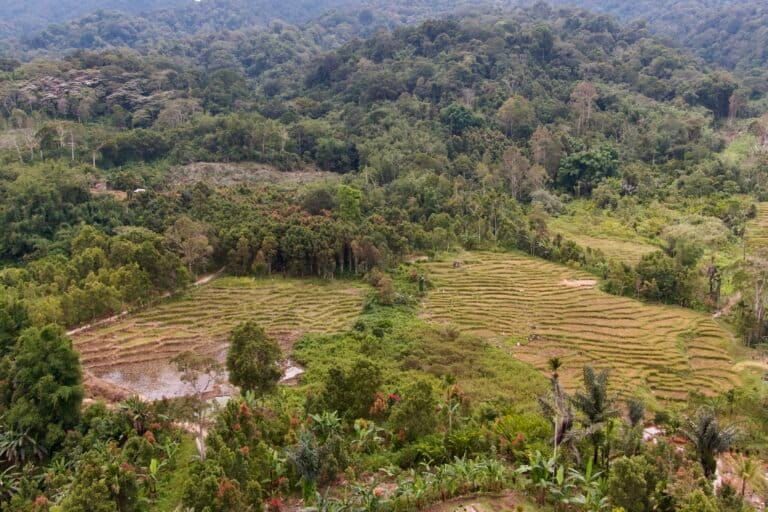
Indigenous communities in Jambi, Indonesia, are unaware that the forests they have managed for generations are being traded on the global carbon market, valued in trillions of rupiah. Residents in the Simpang Macan Luar area of Bungku Village, Batanghari Regency, part of the Batin Sembilan indigenous community, expressed their ignorance about carbon trading and the BioCF initiative, with some hearing about it for the first time. "We don't understand what carbon is, what BioCF is, we're hearing this for the first time," said Yunani, a resident of Batin Sembilan, in mid-January. Jambi is the only province in Sumatra selected to implement the BioCarbon Initiative for Sustainable Forest Landscape (BioCF-ISFL) project. This is a jurisdiction-based carbon finance project supported by donor governments including Germany, Norway, Switzerland, the UK, and the US, and managed by the World Bank. According to representatives of the Batin Sembilan community, the government has not conducted any outreach or socialization regarding the BioCF project or carbon trading. "As far as we know, there hasn't been any," said the head of the Maju Besamo Forest Farmer Group (KTH). For the women of the Batin Sembilan indigenous community, forests are not merely green landscapes but vital living spaces. They are essential for farming, rattan collection, and maintaining water sources. However, parts of the Batin Sembilan community's forest in the Simpang Macan Luar area have been allocated for oil palm plantations under PT Berkat Sawit Utama and for ecosystem restoration under PT Restorasi Ekosistem Indonesia (Reki) as Hutan Harapan (Hope Forest). Other areas have been encroached upon by settlers. Currently, the Simpang Macan Luar community lives within Hutan Harapan, managing 399 hectares of forest in partnership with Reki. They are restricted from opening new farms or encroaching further, focusing instead on preserving the remaining forest cover. Similar situations are reported in Lubuk Beringin Village, Merangin Regency, Merangin, where village forest managers are also reportedly unaware of the carbon market connections.

多角的分析

経済的影響

ジャンビ州における炭素プロジェクトは、森林の炭素吸収能力を市場価値に結びつける試みであり、潜在的には地域経済に新たな収益源をもたらす可能性を秘めている。しかし、BioCF-ISFLのようなプロジェクトにおける収益分配メカニズムの不透明さは、本来恩恵を受けるべき先住民コミュニティへの経済的還元を阻害している。これは、炭素クレジットの評価額が数兆ルピアに達する可能性があることを考えると、大きな機会損失と言える。過去の同様の環境プロジェクトでも、利益が地域住民に十分に還元されず、中間業者や大企業に富が集中する傾向が見られた。このプロジェクトが持続可能な経済発展に貢献するには、収益の透明性と公平な分配が不可欠である。

投資家心理

この炭素プロジェクトは、環境・社会・ガバナンス(ESG)投資の観点から、投資家にとって魅力的な機会となり得る。特に、森林保全を通じた炭素クレジットの創出は、排出量削減目標達成を目指す企業にとって重要な選択肢となる。しかし、先住民コミュニティとの関係における透明性の欠如や、プロジェクトの実施におけるガバナンスの不備は、投資リスクを高める要因となる。投資家は、プロジェクトの持続可能性と社会的受容性を確保するため、コミュニティへの十分な情報提供と同意形成プロセス(FPIC: Free, Prior, and Informed Consent)の遵守を求めるべきである。過去の事例では、地域社会との対立がプロジェクトの遅延や中止を招き、投資回収を困難にしたケースが少なくない。

社会的影響

ジャンビ州の先住民コミュニティは、森林を生活基盤として長年守り続けてきたにもかかわらず、その森林が炭素市場で取引されている事実を知らされず、プロジェクトから排除されている。これは、土地の権利、資源へのアクセス、そして自己決定権といった、先住民の基本的な権利が侵害されている状況を示唆している。PT Berkat Sawit Utamaによるアブラヤシプランテーションの拡大や、Hutan Harapanとしての生態系修復地域の設定は、彼らの伝統的な生活様式や土地利用に影響を与えている。シンパン・マカン・ルアール地区のコミュニティがHutan Harapan内で生活しながらも新たな農地開墾を制限されている現状は、彼らの生活の自由度を奪っている。これは、環境保全の名の下に、地域住民の権利が軽視されるという、インドネシアの多くの地域で見られる構造的な課題を浮き彫りにしている。

市民の声

インドネシアの市民、特に先住民コミュニティの人々は、自分たちの生活や土地に直接関わる重要なプロジェクトについて、情報が提供されず、意思決定プロセスから排除されていることに不満を感じている。彼らが長年守ってきた森林が、見知らぬところで数兆ルピアの価値を持ち、取引されているという事実は、不公平感と疎外感を生む。シンパン・マカン・ルアール地区の住民が、炭素やBioCFについて「初めて聞いた」と語る状況は、政府やプロジェクト実施主体による情報提供の怠慢を示している。これは、単に情報不足にとどまらず、彼らの生活や権利に対する敬意の欠如とも受け取られかねない。公共の利益とされるプロジェクトが、一部の人々のみに利益をもたらし、地域住民を蚊帳の外に置くことは、社会的な分断を深める可能性がある。

背景・歴史的文脈

インドネシアは、世界有数の森林資源国であり、気候変動対策としての森林保全と炭素市場への関心が高まっている。特に、REDD+(森林減少・劣化からの排出削減)などの国際的な枠組みを通じて、炭素クレジットの創出と取引が進められてきた。しかし、これらのプロジェクトにおいては、土地所有権や資源利用権に関する先住民コミュニティとの合意形成がしばしば課題となってきた。過去には、開発プロジェクトにおける地域住民の権利軽視や、利益分配の不透明さから、紛争や社会的な抵抗が発生した事例も少なくない。BioCF-ISFLのような、地域ごとの炭素資金調達プロジェクトは、より広範な地域を対象とするため、先住民コミュニティへの情報伝達と参加機会の確保が、プロジェクトの持続可能性と公平性を担保する上で極めて重要となる。

原文ソース

Mongabay Indonesia

原文を読む