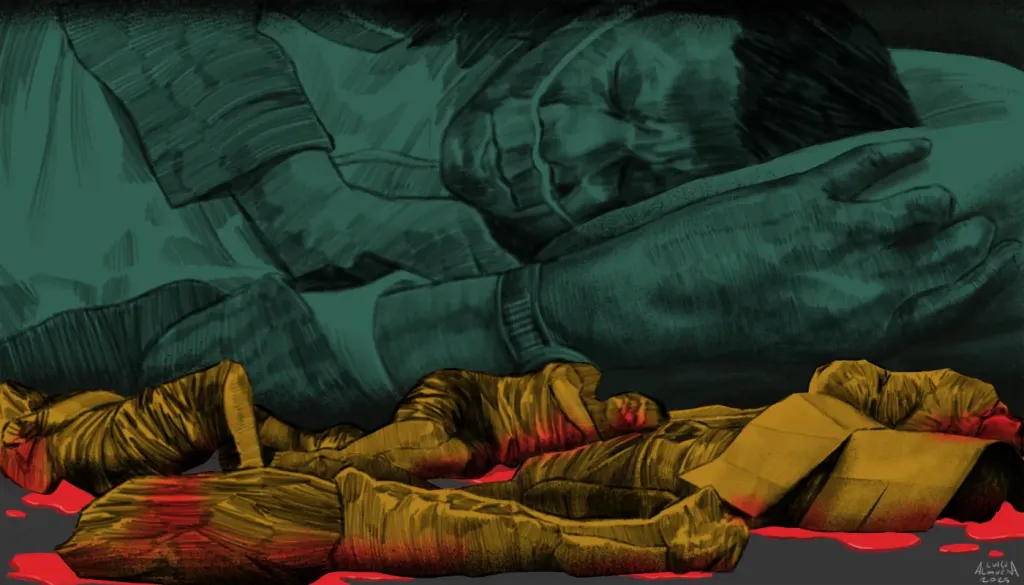
Ten Years On: The First 24 Hours of the Drug War and 39 Lives Lost
On July 1, 2016, the first day of President Duterte's term, 39 people were killed in drug-related incidents. This marked the beginning of a widespread and systematic campaign, with the former president now facing trial at the ICC for crimes against humanity.
Ten years ago today, July 1, 2026, marks the anniversary of Rodrigo Duterte's inauguration as president and the launch of the "war on drugs" that would define his rule. On this first day alone, 39 people were slain in drug-related killings. Most of these victims were poor Filipinos, killed in the early morning hours, with police consistently claiming each death was an act of self-defense. This opening salvo of the new administration's anti-drug campaign set the pattern for the scale and nature of the killings that followed. According to a study by the Ateneo School of Government, published on DrugArchive.ph, the death toll on Day One was surpassed only five other times during the campaign. The daily killings peaked at 49 on September 21, 2016, and August 15, 2017. Duterte was sworn in at Rizal Park at noon on June 30, 2016. The spate of killings began at midnight that same day, with drug suspects allegedly killed in simultaneous buy-bust operations and raids. Police maintained that all these deaths were in self-defense due to violent resistance from alleged drug dealers. While 168 drug-related killings occurred in the six weeks between the May 9 election and June 30, the numbers surged once the former mayor of Davao City assumed the presidency. On his first day in office, Duterte told the police, "Do your duty, and if in the process you kill 1,000 persons because you were doing duty and I will protect you." Bulacan province saw the highest number of killings, with more than a dozen drug suspects slain between midnight of June 30 and noon of July 1, according to news reports compiled by DrugArchive.ph researchers. By the afternoon of July 1, 16 people had died in Bulacan. When questioned by reporters, the then Bulacan police chief, PSSupt. Rogelio Caramat Jr., stated that the killings were not aimed at impressing the new Philippine National Police (PNP) chief, Ronald Dela Rosa. He asserted that his men followed police operating procedures and only fired when police lives were in danger. "If you have a commander like that, then your morale will be boosted," he told reporters, referring to Duterte's assurances of protection. The Ateneo study highlights the asymmetrical nature of the anti-drug campaign. Between May 2016 and September 2017, 11 police officers were killed during anti-drug operations, while over 2,700 drug suspects were killed in police operations during the same period. News reports from July 1, 2016, describe masked gunmen entering homes and residents finding bullet-riddled bodies in the streets. Most killings occurred in the early morning hours. Of the 39 victims on the first day, 20 were reportedly shot by police in self-defense against alleged drug suspects. The remaining casualties were found dead or killed by unidentified assailants. Among the 39 victims on July 1, only one was female. Her body was found floating in a river in Meycauayan City, with drugs discovered in a wallet hidden in her underwear. Other cases included a man found dead in his home in Tiaong, Quezon province, with multiple gunshot wounds, and an unidentified man found in Manila with a sign around his neck reading "Chinese drug lord ako" (I am a Chinese drug lord). These events underscore the profound impact of the drug war across the Philippines and the harsh reality faced by many of its impoverished citizens. Former President Duterte is now in ICC custody, and in April 2026, Pre-Trial Chamber I unanimously confirmed three counts of crimes against humanity against him, committing him to trial. His trial is scheduled to open on November 30, 2026. Source: PCIJ Philippines
多角的分析
麻薬戦争の開始当初、特に貧困層が標的となったことは、経済的格差の拡大と社会的不安の増大を招いたと考えられます。薬物関連の殺害は、地域経済への投資意欲を減退させ、特に地方部では、治安悪化がビジネス活動を阻害する要因となりました。また、多くの犠牲者が日雇い労働者や家族の生計を支える人々であったことから、その死は家族の経済的困窮をさらに深刻化させた可能性があります。
ドゥテルテ政権下の「麻薬戦争」は、フィリピンへの投資環境に不確実性をもたらしたと考えられます。特に、法の支配や人権への懸念から、一部の国際投資家はリスク回避の姿勢をとった可能性があります。しかし、一方で、国内の治安改善(表面的なものも含め)やインフラ開発への期待から、一部の投資家は機会を見出そうとしたかもしれません。しかし、初期の殺害事件の規模は、長期的な視点での投資判断にネガティブな影響を与えたと推測されます。
麻薬戦争の最初の24時間で39人が殺害された事実は、フィリピン社会における貧困層への構造的な脆弱性を示しています。犠牲者の多くが貧困層であったことは、彼らが十分な法的保護や社会的なセーフティネットにアクセスできなかった可能性を示唆します。また、警察が「正当防衛」を主張し、その命令系統が当時の大統領にまで遡ることは、国家権力による人権侵害のメカニズムが、社会の最下層から組織的に実行された可能性を示唆しています。特に、身元不明の襲撃者による殺害は、責任の所在を曖昧にし、社会的な恐怖を増幅させました。
最初の24時間で39人が殺害されたという事実は、多くのフィリピン国民、特に貧困層にとって、法の支配や国家による保護への信頼を揺るがすものでした。警察による「正当防衛」の主張は、しばしば疑念を招き、犠牲者の家族は十分な説明や補償を得られないまま、深い悲しみと不安に苛まれたと考えられます。また、身元不明の襲撃者による殺害は、社会全体に不信感と恐怖を植え付け、市民生活に深刻な影響を与えました。
背景・歴史的文脈
2016年7月1日、ロドリゴ・ドゥテルテ大統領就任初日に発生した39人の殺害事件は、彼の公約であった「麻薬戦争」の過酷な幕開けを告げるものでした。この戦争は、ダバオ市長時代の治安対策を全国規模で展開するものでしたが、その手法は人権団体や国際社会から激しい批判を浴びました。警察による「正当防衛」を理由とした殺害は、貧困層を disproportionately に標的とし、多くの未解決の殺害事件を生み出しました。この事件は、フィリピンにおける法の支配の弱体化と、国家権力による人権侵害の構造的な問題を浮き彫りにしました。現在、ドゥテルテ前大統領は国際刑事裁判所(ICC)で人道に対する罪で訴追されており、この戦争の責任追及が進んでいます。
原文ソース
PCIJ Philippines