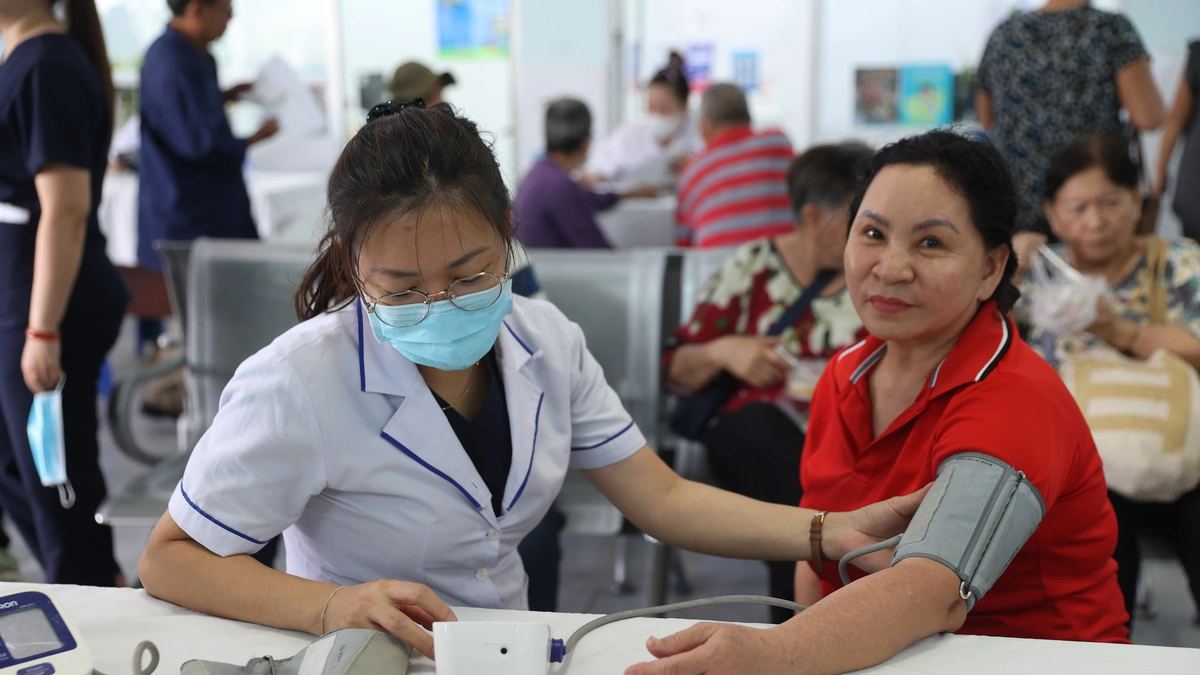
Vietnam to Ease Citizen Burden with New Health and Population Policies Effective July 1
Effective July 1, Vietnam will implement seven new policies aimed at reducing citizens' healthcare costs and supporting population initiatives. These include expanded health insurance benefits, extended maternity leave, and mandatory HPV vaccination, expected to improve healthcare access and support child-rearing.
Vietnam is set to implement seven significant policies from July 1, 2024, aimed at reducing the financial burden on citizens for healthcare and promoting population initiatives. These policies encompass expanded health insurance benefits, extended maternity leave, mandatory HPV vaccination, increased salaries and allowances for medical professionals, and the decentralization of medical licensing. Regarding health insurance (BHYT), previously high out-of-pocket expenses for certain out-of-network outpatient treatments will now be partially covered by BHYT, with a 50% reimbursement under specific conditions. For medical costs below 3.795 million VND, BHYT will cover the full amount for in-network services and reduce out-of-pocket expenses for out-of-network care. Furthermore, individuals insured continuously for five years or more will have 100% of their covered medical expenses paid by BHYT once their annual co-payments exceed six months of the base salary. In terms of population policy, the newly effective Population Law empowers couples to make more informed decisions regarding the timing and number of children. Specifically, maternity leave for women giving birth to their second child will be extended from six to seven months, with fathers also granted 10 days of paternity leave. Additionally, a one-time support of 2 million VND will be provided to certain ethnic minority women, women who have two children before the age of 35, and those giving birth in regions with low fertility rates. From a public health perspective, the Human Papillomavirus (HPV) vaccine will be included as a mandatory vaccination under the Expanded Immunization Program. This initiative aims to prevent not only cervical cancer but also other HPV-related diseases for both genders. A state compensation system will also be established for severe adverse reactions resulting from mandatory vaccinations. In healthcare administration, the authority for issuing and managing medical practice licenses, previously held by the Ministry of Health, will be transferred to the provincial People's Committee chairpersons. This move is intended to foster more efficient and responsive healthcare management at the local level. Improvements in the remuneration of healthcare professionals are also being implemented. Effective July 1, the base salary will increase to 2.53 million VND per month, leading to higher incomes for doctors based on their professional ranks. New special allowances for specific medical procedures such as surgery and anesthesia will also be introduced, aiming to boost morale in the medical field. These policies represent a significant step towards the Vietnamese government's consistent goals of strengthening universal health coverage, addressing demographic challenges, and enhancing the quality of medical services. The reduction in healthcare costs, in particular, is expected to directly contribute to the stability of citizens' livelihoods. Source: VnExpress
多角的分析
今回の医療・人口政策の変更は、国民の可処分所得に直接的な影響を与え、医療サービスへのアクセスを改善することで、長期的な消費支出の増加に繋がる可能性がある。特に、医療費負担の軽減は、低所得者層にとって大きな恩恵となり、国内消費の底上げに寄与すると考えられる。また、出生率向上策は、将来的な労働力人口の確保という観点から、経済成長の持続可能性を高めるための戦略的な投資と位置づけられる。しかし、これらの政策の財源確保と、それが財政に与える影響については、さらなる注視が必要である。
医療保険給付の拡充や産休延長は、国民の健康増進と子育て支援を通じて、長期的な人的資本の向上に寄与する。これは、ベトナムの経済成長ポテンシャルを高め、投資環境にとってポジティブな要素となりうる。特に、製薬・医療機器業界、そして子育て関連産業への投資機会が生まれる可能性がある。一方で、公的財政への影響や、政策実行における地方政府の能力格差などが、投資リスクとして考慮されるべき点である。
7月1日からの新政策は、ベトナム国民の日常生活に直接的な恩恵をもたらす。医療保険の適用範囲拡大は、特に地方や低所得者層の医療アクセスを改善し、病気による経済的困窮のリスクを低減させる。産休期間の延長は、女性のキャリア継続と育児の両立を支援し、家庭内の負担軽減に繋がる。HPVワクチン接種の義務化は、将来世代の健康を守るための重要な一歩となる。これらの政策は、社会全体の福祉向上に貢献すると期待される。
今回の政策変更は、多くの国民、特に子育て世代や病気で医療を必要とする人々にとって、実質的な負担軽減となる。医療費の自己負担が減ることで、より安心して医療を受けられるようになる。産休の延長は、母親の育児負担を和らげ、家族の絆を深める機会を提供する。HPVワクチン接種の義務化は、若い世代の将来の健康に対する安心感を与えるだろう。これらの変更は、国民生活の質を向上させる重要な一歩である。
背景・歴史的文脈
ベトナム政府は、国民皆保険制度の普及と医療サービスの質向上を長年の課題としてきた。特に、経済成長に伴う医療費の高騰は、国民、とりわけ低所得者層にとって大きな負担となっていた。また、近年の出生率の低下は、将来的な労働力不足や社会保障制度への影響が懸念されており、政府は出生率向上策を重要な政策課題として位置づけている。今回の7つの政策は、これらの課題に対し、医療保険制度の改革、子育て支援の強化、予防医療の推進といった多角的なアプローチで対応しようとするものである。
原文ソース
VnExpress