Ho Chi Minh City's 50-Year Transformation Captured in Photos
Ho Chi Minh City has undergone a dramatic transformation over half a century since its renaming in 1976, evolving from the post-unification era to modern infrastructure, industry, healthcare, and urban landscapes, as showcased in various photo exhibitions.
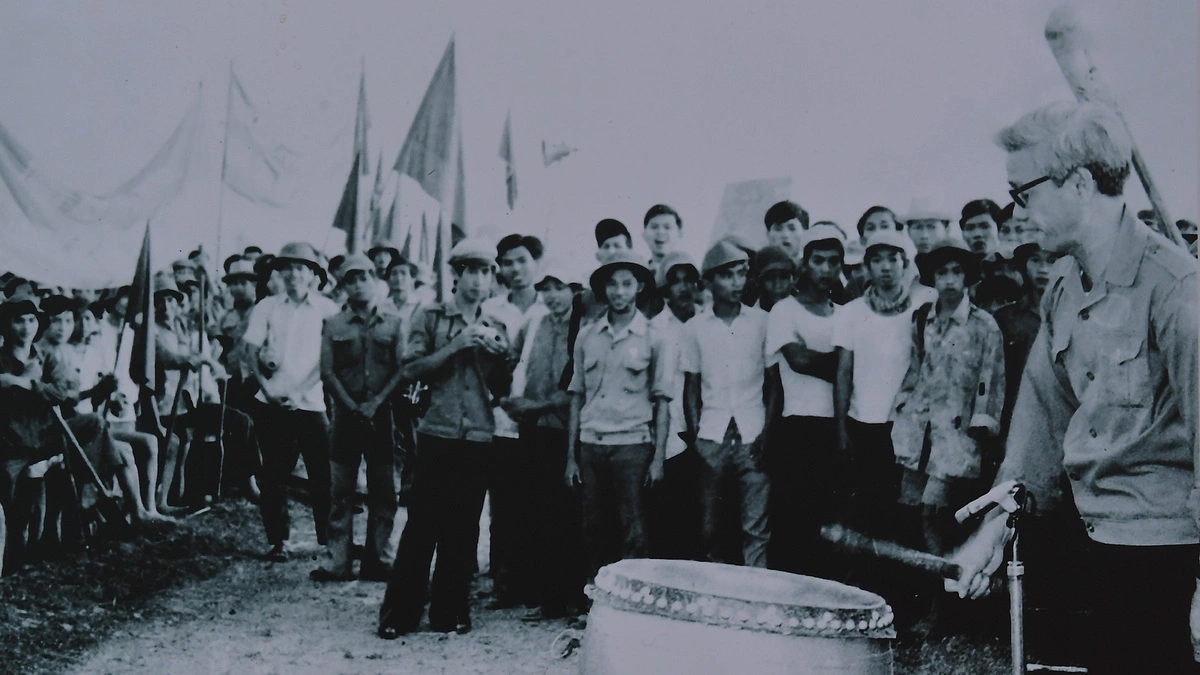
Ho Chi Minh City has undergone a dramatic transformation over the past half-century since its renaming to Ho Chi Minh City on July 2, 1976. An exhibition titled "Saigon - Gia Dinh - Ho Chi Minh City: An Epic and Aspirations in the Era of Rejuvenation," opened on June 29, showcasing documentary photos that capture the city's pivotal moments from the post-unification era to its modern infrastructure, industrial development, and contemporary urban landscape. The exhibition features iconic images such as the advance of tanks into the Independence Palace on April 30, 1975, marking the end of the Ho Chi Minh campaign and the reunification of the country. It also highlights the official renaming of Saigon - Gia Dinh to Ho Chi Minh City by the National Assembly on July 2, 1976. Early development stages are represented by photos of the youth volunteer force working in irrigation in 1978, the first Nguyen Hue flower street in 1981, Lidico Electromechanical Enterprise producing B400 fans in 1982, the launch of the MSP-1 oil rig off Vung Tau in 1984, and the construction of the Tan Thuan Export Processing Zone in the early 1990s. Further progress is illustrated by the transformation of the polluted Nhieu Loc - Thi Nghe canal into a green landscape axis after nearly 20 years of renovation (1993-2012). Medical advancements are showcased through the successful separation of conjoined twins Nguyen Viet and Nguyen Duc in 1988 and the more recent separation of twins Hoang Nhi and Hoang Nhi in 2020. In 2021, a polypropylene plant and an underground LPG storage facility, considered the largest in Southeast Asia, became operational. The Metro Line 1 (Ben Thanh - Suoi Tien), Ho Chi Minh City's first mass public transit system, is set to officially open on December 22, 2024, connecting the city center with high-tech parks and residential areas in the east. On April 30, 2025, during the ceremony commemorating the 50th anniversary of Southern Liberation and National Reunification, General Secretary To Lam, on behalf of the Party and State leadership, awarded the title of Labor Hero to the Party Committee, government, and people of Ho Chi Minh City. Nguyen Manh Cuong, Vice Chairman of the City People's Committee, stated that the exhibition serves as an opportunity to reflect on the city's development journey and the values nurtured across generations. The exhibition runs until July 11. Source: VnExpress
多角的分析
ホーチミン市の50年間の発展は、ベトナムのドイモイ(刷新)政策による市場経済化と、それに伴う輸出加工区の設立、石油・ガス産業の発展、そして近年のインフラ投資(メトロ、LPG貯蔵庫)といった経済成長戦略と密接に結びついています。特に、タンチュオン輸出加工区は、外資導入の成功モデルとして、その後のベトナムの製造業発展の基盤となりました。この変化は、計画経済から市場経済への移行が、都市の経済構造と機能に根本的な変革をもたらしたことを示しています。
ホーチミン市のインフラ整備と産業高度化は、国内外からの投資を惹きつける重要な要素です。メトロ1号線の開通は、交通渋滞の緩和と都市開発の促進を通じて、不動産開発や商業施設の投資機会を拡大すると期待されます。また、LPG貯蔵庫のようなエネルギーインフラへの投資は、産業活動の安定化に寄与し、製造業への投資リスクを低減させる可能性があります。過去の輸出加工区の成功事例は、今後も外国直接投資(FDI)を呼び込む強力な推進力となるでしょう。
ホーチミン市の変貌は、都市住民の生活様式にも大きな影響を与えています。ニューロック・ティンヒー運河の浄化は、かつての劣悪な生活環境を改善し、市民の憩いの場を提供しました。また、双子分離手術の成功は、医療技術の向上を象徴し、市民の健康へのアクセスと期待を高めています。一方で、急速な都市化とインフラ開発は、交通渋滞、住宅問題、環境負荷などの新たな課題も生み出しており、市民生活における摩擦点となっています。例えば、メトロ建設に伴う交通規制は、一時的に市民の通勤に影響を与えています。
ホーチミン市の50年の歩みは、市民にとって、貧困からの脱却、生活水準の向上、そしてより良い医療や教育へのアクセスといった、目に見える恩恵をもたらしました。特に、若い世代は、近代的な都市インフラや多様な雇用機会を享受しています。しかし、急速な開発は、住宅価格の高騰や、交通渋滞による通勤時間の増加といった、日常生活における負担も増加させています。例えば、グエンフエ通りのフラワーロードは美しく、多くの市民が訪れますが、その周辺の交通はしばしば混雑します。
背景・歴史的文脈
ホーチミン市(旧サイゴン)は、ベトナム戦争終結と1975年4月30日のサイゴン陥落を経て、1976年7月2日にベトナム統一国家の一部として「ホーチミン市」と改名されました。当初は戦後の混乱と経済的困難に直面していましたが、1986年に開始されたドイモイ(刷新)政策により、市場経済化が進展しました。これにより、外資導入が促進され、1990年代初頭にはタンチュオン輸出加工区のような経済特区が設立され、製造業と輸出が都市の経済成長の原動力となりました。この経済的自由化は、都市のインフラ整備、産業構造の多様化、そして生活水準の向上を促し、今日の近代的な大都市へと変貌させる基盤となりました。
原文ソース
VnExpress