Drug Gangs Exploit Social Media to Recruit Thai Air Crew as Couriers
Thai drug trafficking networks are increasingly using social media to recruit airline cabin crew as drug couriers, a practice highlighted by the recent arrest of a Thai Airways flight attendant in Australia for heroin smuggling. Authorities are intensifying vigilance against fake social media accounts used for recruitment.
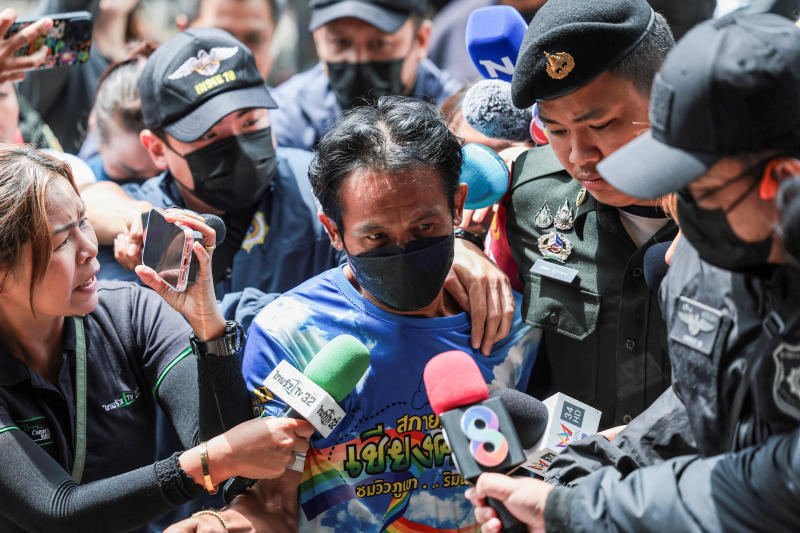
Drug trafficking networks in Thailand are increasingly exploiting social media to recruit airline cabin crew as couriers for illicit substances. This trend came to light when a flight attendant for a regional budget carrier in Bangkok received a direct message on TikTok from an unknown account on June 18, asking about flights to Australia, willingness to carry items for hire, and rates. The 30-year-old attendant, who asked not to be named due to the sensitivity of the issue, stated she never replies to strangers and that such warnings are constant within the industry. The account, named "Powder is Powder" in Thai, has been linked to drug trafficking networks that create fake social media profiles to find individuals for cross-border drug transportation, according to Areepak Ngernbamroong, spokeswoman for the Office of the Narcotics Control Board (ONCB). She confirmed the account has been shut down and investigations indicate it used multiple aliases. Thai Airways International stated it has strict rules governing employee conduct and will cooperate with authorities. Trafficking networks procure drugs from neighboring countries with significant production facilities and conceal them in items like clothing, coffee, and vases for transit through Thailand, Thai authorities reported. The UN Office on Drugs and Crime (UNODC) noted in December that opium poppy cultivation in neighboring Myanmar surged to its highest level in a decade in 2025. Pol Maj Suriya Singhakamol, secretary-general of the ONCB, explained that war-torn Myanmar is the world's main known source of illicit opium, with declining production in Afghanistan driving more farmers into the illicit trade due to conflict and economic hardship. In Thailand, trafficking networks specifically target groups like flight attendants for overseas drug transport. He cited the case of the Thai Airways flight attendant arrested in Australia, who had initially posted in a social media group for people offering to carry items overseas for a fee. She then communicated with a Facebook user named "Rose Rose" and agreed on a fee of 8,800 baht. The heroin, concealed within the lining of the tote bags carried by the attendant, had an estimated street value of A$500,000 (11.5 million baht), according to the Australian Federal Police. Authorities also intercepted plans to send five more packages from Bangkok to Australia and Taiwan between June 30 and July 1, seizing 24.38 kilograms of heroin hidden in traditional goods, silk clothing, coffee sachets, and winter jackets. Thai agencies are coordinating with Australian and Taiwanese authorities. So far, Thai authorities have taken into custody a Thai man, Arthit (43), and his Lao wife, Thatsaphon (42), suspected of sending drug parcels from the border province of Loei to Bangkok. The arrested Thai Airways cabin attendant was identified as Meena (26).
多角的分析
薬物密輸組織がSNSを利用して航空関係者を運び屋に勧誘する手口は、国際的な薬物流通のコスト削減とリスク分散を目的としていると考えられる。特に、航空貨物や乗客の持ち物への偽装は、税関や検査の目をかいくぐるための巧妙な手段であり、物流コストの低減に寄る。また、SNSは匿名性が高く、広範囲にターゲットを募集できるため、組織の拡大と維持に不可欠なツールとなっている。これは、タイ経済における非公式経済の拡大と、それが国際的な犯罪組織の活動を助長する構造を示唆している。
航空業界、特に国際線を運航する企業にとって、従業員による薬物密輸への関与は、ブランドイメージの毀損、運航停止、そして法的な責任問題に発展するリスクをはらむ。投資家は、航空会社のコンプライアンス体制、従業員教育、およびリスク管理能力を厳しく評価する必要がある。今回の事件は、サプライチェーン全体のリスク管理の重要性を浮き彫りにし、航空会社の株価や信用格付けに影響を与える可能性がある。
SNSを介した薬物運び屋の勧誘は、特に経済的に困窮している若年層や、国際的な移動の機会を持つ航空関係者をターゲットにしている。タイの客室乗務員が報酬8,800バーツ(約3万5千円)で危険な運び屋行為に手を染めた背景には、生活苦や借金返済などの現実的な動機が推測される。これは、タイ社会における経済格差や、若年層が直面する雇用・収入問題が、犯罪組織の温床となりうることを示唆している。SNSの普及が、こうした脆弱な層を犯罪に引き込みやすくしている現状は、社会的な懸念材料である。
SNSで身元不明の人物から金銭を伴う仕事の勧誘を受けた場合、多くの市民、特に若い世代は、安易に信用してしまうリスクがある。今回の事件のように、客室乗務員という職業柄、国際的な移動が多い人々は、密輸組織にとって魅力的なターゲットとなる。市民は、SNS上での個人情報提供や、見知らぬ人物との金銭のやり取りには、より一層の注意を払う必要がある。また、当局は、SNS上での犯罪勧誘に対する監視を強化し、市民への啓発活動をより一層進めることが求められている。
背景・歴史的文脈
タイは、ミャンマー、ラオス、カンボジアと国境を接し、これらの国々がアヘン・ヘロインの主要生産地であることから、長年、国際的な薬物密輸の主要な経由地となってきた。特に、ミャンマーのメコン川流域は、かつて「黄金の三角地帯」と呼ばれ、アヘン栽培と麻薬製造の中心地であった。1990年代以降、タイ政府は国境警備の強化や麻薬取締法制の整備を進めてきたが、犯罪組織は常に新たな手法を開発し、当局の目をかいくぐってきた。近年、SNSの普及は、犯罪組織がターゲットを募り、連絡を取り合うための新たな手段を提供している。特に、国際線を持つ航空会社の客室乗務員のような、頻繁に国境を越える立場にある人々は、その移動の容易さから、密輸組織にとって魅力的な運び屋候補となっている。2025年のUNODCの報告で、ミャンマーのアヘン生産が過去10年で最高水準に達したことは、タイを経由する薬物密輸の増加を示唆しており、SNSを利用した新たな勧誘手口の出現は、この問題の根深さと進化を示している。
原文ソース
Bangkok Post