Vietnam to Maintain Core Capabilities in Maritime Industry
Business
2026年7月15日
5
VnExpress
Relations
🇻🇳Vietnam🇨🇳China

Vietnam to Maintain Core Capabilities in Maritime Industry

AI サマリー

Vietnamese President Tô Lâm has instructed that the development of the maritime industry must be based on market mechanisms, excluding subsidies and scattered investments, while maintaining core capabilities essential for national development and defense. This is part of the strategy to make Vietnam a strong maritime nation.

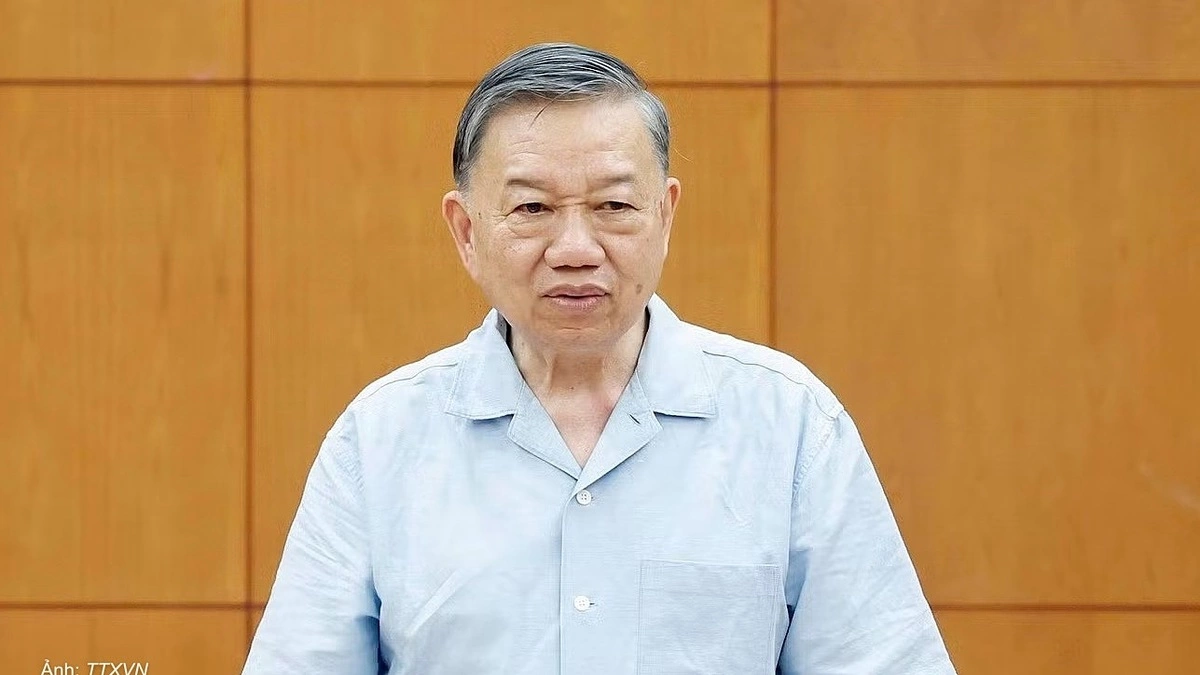
General Secretary and President Tô Lâm has instructed that the development of the maritime industry must be based on market mechanisms, excluding subsidies and scattered investments, while maintaining core capabilities essential for national development and defense. Speaking at a meeting with agencies on the development of the national maritime industry on July 14, Mr. Lâm emphasized that the maritime industry should occupy its rightful place in the strategy to build Vietnam into a strong maritime nation. It is positioned as a foundational industry supporting economic development, water transportation, national defense, security, and enhancing strategic autonomy. Mr. Lâm requested that core capabilities in design, new construction, repair, conversion, and technical assurance of vessels be maintained, ensuring the nation is not left passive when supply chains are disrupted, markets fluctuate, or emergencies arise. Shipbuilding needs to be developed with an "ecosystem" mindset, linked with the fleet of ships, inland waterway vessels, seaports, logistics, supporting industries, and services throughout the entire lifecycle of vessels. He stated that the State will play the role of a "creator" in perfecting institutions, orienting strategies, and ensuring essential capabilities, but will not provide subsidies or act on behalf of businesses. Businesses must directly invest, innovate technology, compete, and be responsible for their operational efficiency. Investment decisions should be based on long-term efficiency, technological mastery, management capacity, and value added retained domestically, avoiding the pursuit of formal scale, scattered and overlapping investments, and sacrificing quality, safety, and the environment for short-term growth. The Government Party Committee has been tasked with developing a national program for maritime industry and marine mechanical engineering development by 2035, with a vision to 2050, integrated with strategies for fleet development, seaports, logistics, marine energy, national defense, and security. Support mechanisms must be linked to orders, enterprise capabilities, feasible financial plans, and transparent management, avoiding the provision of capital to cover losses, the creation of new non-performing loans, and the legalization of past wrongdoings, according to Mr. Lâm. Reorganizing the domestic market was also proposed, linking the needs of fleet development, inland waterway vessels, official vessels, offshore services, and national defense with domestic production capacity based on the principles of competition, quality, and efficiency. In the immediate term, strengthening repair, conversion, green upgrades, maintenance, and lifecycle services is crucial to exploit existing capacity, generate cash flow, and retain the technical workforce. The long-term orientation is to shift from maintaining production capacity to building a modern, green, and digital maritime industry ecosystem that is self-reliant and internationally competitive. Supporting industries must develop in parallel with design, science and technology, classification, standards, data, and high-quality human resources. Innovation in attracting foreign direct investment (FDI) and encouraging domestic enterprises to participate more deeply in global supply chains is also key. "We will not provide scattered rescue, resume subsidies, or invest based on trends. However, we also will not allow complacency to lead to the loss of strategic industrial capabilities. We must resolutely resolve existing issues, preserve remaining values, and reorganize the market for truly capable enterprises to develop," stated General Secretary and President Tô Lâm.

多角的分析

経済的影響

ベトナムの海洋産業に対する国家主席の指示は、市場原理の導入と補助金・無計画投資の排除を明確に打ち出しており、経済効率の向上と持続可能な成長を目指す姿勢を示している。これは、経済成長の鈍化や財政赤字への懸念から、政府がより厳格な財政規律と効率性を求める動きの一環と考えられる。特に、補助金ではなく、注文や財務計画に紐づいた支援メカニズムの導入は、企業の自助努力と市場競争を促すことで、産業全体の競争力強化を図る狙いがある。しかし、国防や安全保障に不可欠な「中核能力」の維持という指示は、市場原理だけでは維持が難しい分野への国家介入の余地を残しており、経済効率と国家安全保障とのバランスが今後の課題となる。

投資家心理

今回の指示は、ベトナムの海洋産業への投資環境に複雑な影響を与える可能性がある。市場メカニズムの重視と補助金・無計画投資の排除は、投資家にとって透明性と予測可能性の向上をもたらし、より効率的な企業への投資を促すだろう。特に、設計、修理、改造、メンテナンスといったサービス分野での成長機会が期待される。一方で、「中核能力」の維持という名目での国家介入や、国防・安全保障目的での投資は、投資判断における不確実性を増大させる可能性がある。FDIの誘致と国内企業のサプライチェーンへの参画深化は、外資系企業にとって連携や事業拡大の機会となりうるが、国内市場の再編成や競争原理の適用は、既存プレイヤーとの関係性や市場シェアに影響を与える可能性がある。

社会的影響

海洋産業の発展は、沿岸部や港湾都市を中心に雇用機会の創出と所得向上に繋がる可能性がある。特に、設計、修理、メンテナンスといった分野での高度な技術を持つ労働者の需要が高まることで、専門人材の育成と確保が社会的な課題となるだろう。また、産業の近代化、グリーン化、デジタル化は、労働環境の改善や新たなスキルの習得を促す一方で、伝統的な製造業からの転換を余儀なくされる労働者への支援策も求められる。さらに、「中核能力」維持のために国家が介入する分野では、その意思決定プロセスや資源配分における透明性が、国民の信頼を得る上で重要となる。無計画な投資の排除は、過去に発生したような環境汚染や地域社会への影響を抑制する効果も期待できる。

市民の声

今回の指示は、ベトナム市民、特に沿岸地域や港湾都市に住む人々の生活に間接的な影響を与えるだろう。海洋産業の強化は、より多くの雇用機会、特に高度な技術を要する職種の創出につながる可能性がある。しかし、市場原理への移行は、補助金に依存していた企業や労働者にとっては、競争の激化や雇用の不安定化を招くリスクも伴う。また、国家が「中核能力」を維持するとしながらも、その具体的な範囲や意思決定プロセスが不透明な場合、資源の非効率的な配分や、一部の企業への恩恵集中といった懸念が生じる可能性がある。産業のグリーン化やデジタル化は、将来的な環境改善や生活の質の向上に貢献する可能性があるが、その過程での雇用のミスマッチや、新たな技術への適応が課題となる。

背景・歴史的文脈

ベトナムは、長い海岸線と広大な排他的経済水域(EEZ)を持つ海洋国家として、海洋資源の開発、海上輸送、国防の重要性を認識している。1986年のドイモイ(刷新)政策以降、経済自由化を進める中で、海洋産業も市場経済の原理を取り入れつつ発展してきた。しかし、造船業など一部の分野では、過去に政府の補助金に依存した投資が行われ、非効率性や過剰生産の問題も指摘されてきた。近年、中国との海洋権益を巡る緊張や、グローバルサプライチェーンの再編といった国際情勢の変化を受け、ベトナムは海洋における自律性と戦略的価値を確保するため、海洋産業の強化を国家戦略として位置づけている。今回の指示は、こうした背景を踏まえ、市場原理を導入しつつも、国家の安全保障と発展に不可欠な基盤産業の能力を維持・強化しようとするベトナム共産党の意向を反映している。

原文ソース

VnExpress

原文を読む