Transitional justice for Bangsamoro should be a ‘national project,’ say peace advocates
Politics
2026年7月8日
5
Rappler Philippines

Transitional justice for Bangsamoro should be a ‘national project,’ say peace advocates

AI サマリー

Peace advocates are strongly urging for a national law to implement transitional justice and reconciliation for the Bangsamoro people. They express concern over the slow progress at the national level, despite legislative efforts in the Bangsamoro region.

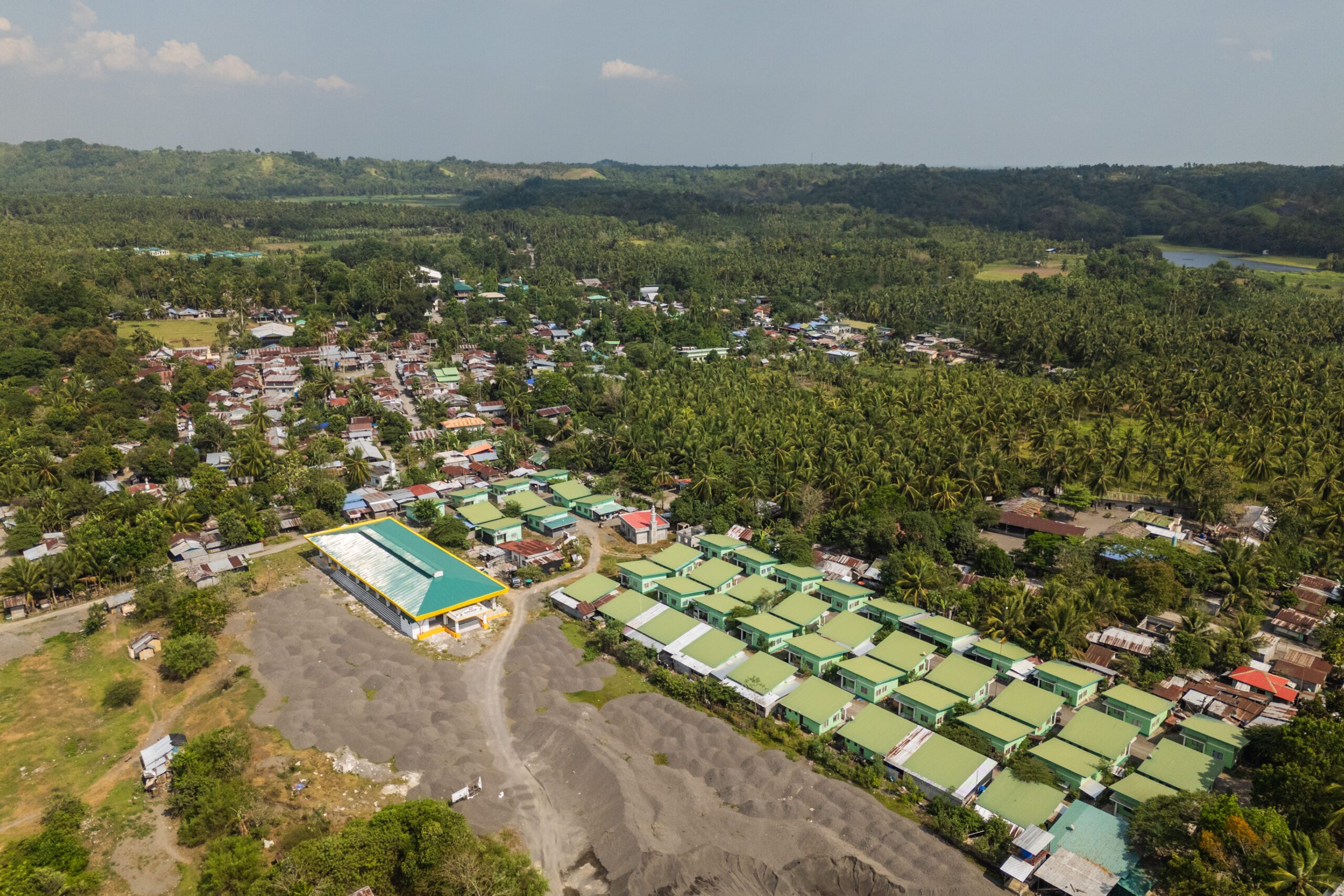
MANILA, Philippines – Peace advocates doubled down on the need for a national law that will implement transitional justice and reconciliation for the Bangsamoro people. A bill on this has been pending in Congress even though the Bangsamoro government already passed its regional counterpart, the Bangsamoro Autonomy Act No. 89 (BAA No. 89). Many peace practitioners find the absence of a national law ironic because reparations can only be made by the Philippine government. MILF peace implementing panel chair Mohagher Iqbal said this should be a priority of the Marcos administration. He rallied other peace actors to work on raising the national consciousness on Bangsamoro transitional justice. “For TJR (Transitional Justice and Reconciliation) to pass Congress, there must be a champion or champions, not only in the House of Representatives, but even in the Senate,” Iqbal said on Tuesday, July 7, in a forum in Quezon City. “And it should become a priority legislation.” “We need to popularize the issue of TJR,” said Iqbal. “We need support nationally.” Transitional justice is part and parcel of the Bangsamoro peace process. Moros continue to find healing from the long-running conflict. Among the major roots of the Moro struggle are: the 1898 Treaty of Paris; state-sponsored resettlement programs in Mindanao during the Commonwealth period; 1968 Jabidah Massacre. Iona Jalijali, Philippine representative of the Centre for Humanitarian Dialogue, said there is a need to engage more legislators, regardless of their political party or bloc. “This should be a national project,” Jalijali said in the forum. “It should be the commitment of the national government.” Akbayan representatives and Dinagat Islands Representative Kaka Bag-ao filed the bill on transitional justice last year but it has not progressed much since. Keeping the memory, exacting reparations A big part of transitional justice is retaining the historical memory and narratives of the Bangsamoro people, including the injustices they suffered. Knowledge of memory and narratives can help answer questions that may surface for people outside the region: Why is there a need for reparations in the Bangsamoro? Why did revolutionary groups fight for autonomy? Why is there a peace deal between the Philippine government and the MILF? In the regional law or BAA No. 89, the Bangsamoro Transitional Justice and Reconciliation Commission is tasked, among other things, to conduct information campaigns and establish museums and memorials. This regional commission can start investigations and fact-finding activities on grievances and human rights violations, and recommend legal action. For many peace advocates, educating the youth on Bangsamoro history cannot be done in the region alone. “We want Bangsamoro history taught throughout the entire country,” former peace adviser Teresita Quintos Deles said in the forum. “You need a national law for that. Reparations cannot be just within the Bangsamoro. It cannot be just the Bangsamoro providing preparations for victims.” A national law, if enacted, will create the National Transitional Justice and Reconciliation Commission for the Bangsamoro. The bill has been pending at the committee level since July 2025. In lieu of legislation, the Philippine government implements transitional justice and reconciliation program for the Bangsamoro through Executive Order 79. Must Read For Moros, the price of peace is life Land holds memory Transitional justice hopes to address land dispossession. In a parallel effort, the national government has completed the land inventory of six MILF camps, an initiative that will start addressing land-related issues in the Bangsamoro. The team mapped the barangay (village) down to the sitio and the parcels of land. Maria Carmen Fernandez, who led the inventory project, said they covered as well the “customary, historical, and constructive land arrangements” across camps, and put on the map the combatants and their families who “don’t exist on most records.” “What was important was the histories provided by these families,” Fernandez said.” We were talking about the genealogies of the families, reaching back to hundreds of years, and histories of displacement.” The inventory project found that many residing in camps do not have secure tenure, land records at different levels of government are divergent and overlapping, and climate risks are present across all camps. Under the new law, the regional commission for transitional justice should “document and publish an official narration of Bangsamoro land dispossession and marginalization” and recommend reforms in land services. This narration includes land dispossession outside the Bangsamoro Autonomous Region that has harmed Moros and non-Moro indigenous people. – Rappler.com

多角的分析

経済的影響

バンサモロ地域における移行的正義と和解の遅れは、経済的安定と投資環境に間接的な悪影響を与える可能性がある。紛争の根源にある土地問題や歴史的経緯が未解決のままでは、地域住民の経済活動への参加意欲や、外部からの投資意欲が削がれることも考えられる。特に、土地収奪や不安定な所有権は、農業や不動産開発といった基幹産業の発展を阻害する要因となりうる。国家レベルでの法整備による賠償や土地問題の解決は、地域経済の活性化と、より公正な富の分配につながる可能性がある。 過去の事例として、紛争地域における土地改革の遅れが、経済格差の拡大や住民の貧困を長期化させたケースは少なくない。バンサモロ地域における土地インベントリの進展は一歩だが、それを国家法による裏付けと具体的な賠償措置に結びつけることが、経済的自立と持続可能な発展の鍵となるだろう。

投資家心理

バンサモロ地域における移行的正義と和解の遅れは、投資家にとって潜在的なリスク要因となりうる。歴史的な不正義や未解決の土地問題は、地域社会の不安定化を招き、事業運営における予期せぬ障害となる可能性がある。特に、土地収奪や所有権に関する紛争は、不動産投資やインフラ開発において直接的なリスクとなる。国家レベルでの法整備が進まない現状は、投資家が長期的な安定性を評価する上で懸念材料となる。一方で、平和プロセスが進展し、土地問題が公正に解決されれば、未開拓の市場としての魅力が増し、新たな投資機会が生まれる可能性もある。しかし、現時点では、法的な不確実性と社会的な緊張が、慎重なアプローチを促すだろう。 過去の紛争地域への投資では、紛争終結後の和平合意の履行状況や、司法・土地制度の安定性が重要な判断基準となってきた。バンサモロ地域においては、国家レベルでの法整備が遅れていることが、投資家がリスクを評価する上での不確実性を高めていると言える。

社会的影響

バンサモロ地域における移行的正義と和解の遅れは、地域住民、特に紛争の被害者とその子孫にとって、深い精神的苦痛と社会的な分断を残す可能性がある。長年にわたる不正義、土地収奪、そして歴史から切り離された教育は、世代間のトラウマを増幅させ、社会全体の統合を妨げる。平和活動家が「国家プロジェクト」として提言しているのは、単なる賠償や謝罪にとどまらず、モロの人々の歴史的記憶と物語を、フィリピン全土で共有し、理解を深めることの重要性を示唆している。これは、地域住民が自らのアイデンティティを再確認し、社会の一員として尊厳を持って生きるための基盤となる。特に、若者世代が自国の歴史の不条理を理解し、将来への希望を見出すためには、教育と記憶の継承が不可欠である。 マニラ首都圏の市民にとっては、バンサモロの歴史や紛争の背景は遠い問題と感じられるかもしれないが、国家法による移行的正義の実現は、フィリピン国民全体の和解と、より包括的な社会の構築を目指す試みである。このプロセスが遅れることで、地域住民の不満が高まり、社会的な摩擦が生じるリスクが懸念される。

市民の声

バンサモロ地域における移行的正義と和解の遅れは、地域住民、特に紛争の被害者とその子孫にとって、深い精神的苦痛と社会的な分断を残す可能性がある。長年にわたる不正義、土地収奪、そして歴史から切り離された教育は、世代間のトラウマを増幅させ、社会全体の統合を妨げる。平和活動家が「国家プロジェクト」として提言しているのは、単なる賠償や謝罪にとどまらず、モロの人々の歴史的記憶と物語を、フィリピン全土で共有し、理解を深めることの重要性を示唆している。これは、地域住民が自らのアイデンティティを再確認し、社会の一員として尊厳を持って生きるための基盤となる。特に、若者世代が自国の歴史の不条理を理解し、将来への希望を見出すためには、教育と記憶の継承が不可欠である。 マニラ首都圏の市民にとっては、バンサモロの歴史や紛争の背景は遠い問題と感じられるかもしれないが、国家法による移行的正義の実現は、フィリピン国民全体の和解と、より包括的な社会の構築を目指す試みである。このプロセスが遅れることで、地域住民の不満が高まり、社会的な摩擦が生じるリスクが懸念される。

背景・歴史的文脈

バンサモロ地域における移行的正義と和解の要求は、モロの人々がフィリピン建国以来経験してきた、土地収奪、差別、そして紛争の歴史に根差している。1898年のパリ条約によるスペインからの米国への領土割譲は、フィリピン南部のイスラム教徒コミュニティ(モロ)の自治権を無視したものであり、これが後の紛争の火種となった。コモンウェルス時代には、キリスト教徒の移住者への土地配分が進み、モロの人々の土地がさらに奪われた。1968年のジャビダー虐殺事件は、モロの人々に対する国家による暴力の象徴となり、民族自決を求める運動を激化させた。これらの歴史的経緯から、モロの人々は、自らの権利回復、土地の返還、そして過去の不正義に対する公式な認識と賠償を求めている。平和活動家らが国家法を求めるのは、地域レベルでの取り組みだけでは、これらの歴史的、構造的な問題を包括的に解決できないという認識に基づいている。

原文ソース

Rappler Philippines

原文を読む