Foreign Tourists 'Amazed' by Hospitality in Vietnam's Mekong Delta
Culture
2026年8月1日
4
VnExpress

General articles are free for 24 hours after publish.

Foreign Tourists 'Amazed' by Hospitality in Vietnam's Mekong Delta

Share
AI Summary

Foreign tourists visiting Vietnam's Mekong Delta are deeply impressed by the warm hospitality from strangers, including invitations to weddings and death anniversaries, and free accommodation. These acts of kindness are going viral on social media, boosting local tourism.

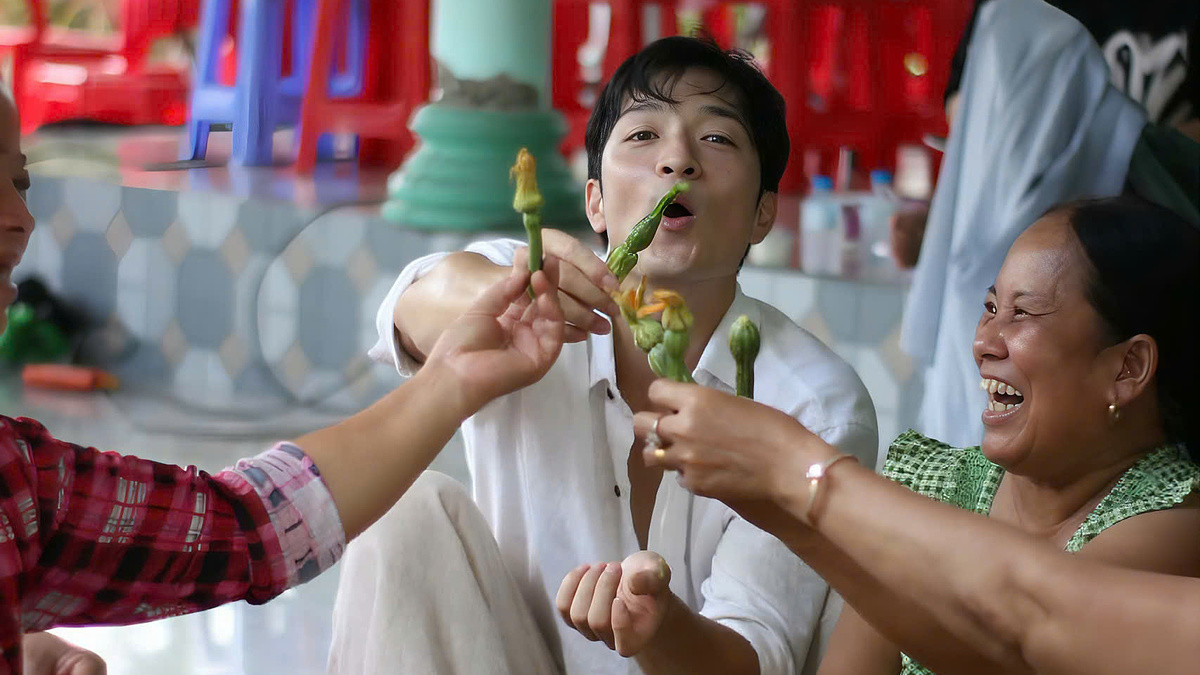
Foreign tourists visiting Vietnam's Mekong Delta are experiencing 'astonishing' hospitality from strangers, with many being invited to local events like death anniversaries and offered free accommodation. These heartwarming encounters are generating significant buzz on social media and boosting local tourism. Naoki Okamura, a 31-year-old Japanese tourist, recounted his experience in Tien Giang province where locals, upon seeing him curiously observing them set up a tent for an event, warmly pulled him to a table laden with delicious food, offering him the coolest seat and continuously serving him dishes. He learned it was a death anniversary, a day to commemorate deceased relatives. This hospitality contrasted sharply with Japanese customs, where such events are typically intimate family affairs emphasizing privacy. "They overwhelmed me with their hospitality and made me feel there was no distance between a stranger and family members," Okamura shared. Marcel Lennartz, a 55-year-old Dutchman who has lived in Vietnam for over 30 years, described the Mekong Delta's hospitality as "something you can't find anywhere else in the world." He often encounters "familiar surprises" when visiting the southern region. While passing through a small hamlet in Ben Tre, he was repeatedly invited into homes by adults and children, offered hammocks for midday naps, and given free wine or fruit. "Many farmers don't know English, but the way they pull up a chair and pour tea is enough to erase the language barrier," Lennartz said. These personal accounts from international visitors are creating a strong ripple effect on social media platforms. Posts and videos detailing experiences of foreigners being invited to weddings, death anniversaries, or participating in activities like rowing boats and singing karaoke in the Mekong Delta are attracting millions of views. Many tourists state that, in addition to the picturesque river landscapes, the genuine warmth of the local people is the primary reason they wish to return. Local travel agencies report a doubling or tripling of demand for tours that offer authentic Mekong Delta life experiences since the beginning of the year. Thuy Linh, head of international market at a Ho Chi Minh City-based travel company, noted that European and some Asian travelers are less interested in purely scenic boat tours. Instead, they seek tours that delve into the delta's smaller islands, involve activities like catching fish from irrigation ditches, making traditional cakes, or dining with local families (homestay). "The simplicity and natural hospitality of the local people are what make international guests rate this region highly for tourism," Linh commented. This openness even transforms private homes into resting places for travelers in need. Earlier this year, Bich Lieu, 35, from An Giang, found a Hungarian tourist attempting to set up a tent for the night by the riverside. Concerned about potential weather risks, her family proactively invited him for dinner and provided him with a free place to sleep. "My family invited him to a neighborhood wedding so he could experience the local culture. In my hometown, we are used to neighbors supporting each other. The sense of kinship and mutual assistance among families means people are less calculating or wary of strangers," Lieu explained. According to cultural researcher Associate Professor Dr. Pham Ngoc Trung, the character of the Mekong Delta people is shaped by two key factors: its riverine geography and its history of pioneering settlement. The southern region was developed over 300 years ago. As migrants from the central and northern regions arrived to cultivate the land, they faced wild nature, dangerous animals, and numerous risks. To survive, people had to rely on each other, erasing boundaries of origin and social status. Those who arrived first helped those who came later, and when one household had an event, the entire hamlet would pitch in. Furthermore, the intricate network of rivers and canals fostered a culture of river trade. Convenient transportation facilitated regular contact with new populations, cultivating a mindset that readily accepted differences and was not constrained by the rigid conventions of closed, traditional agricultural villages. Kyril Whittaker, a 29-year-old British man, chose to settle in the Mekong Delta because he "loved the friendliness and enthusiasm of the people too much." He shared an instance where an elderly shopkeeper in Ca Mau cooked him a hot bowl of noodles and refused payment when he was stranded, or a time when he had a high fever at a guesthouse in Can Tho and the staff bought him porridge and cared for him like family. "The most precious thing I've gained in the Mekong Delta is a sense of security. No matter where I go, if I encounter difficulties, there will always be someone ready to help me," Whittaker stated. Source: VnExpress

0

Original source

VnExpress

原文を読む