Philippines Urged to Diversify Economy as AI Threatens BPO Sector
As artificial intelligence advances and threatens jobs in the call center and BPO sector, the Philippines faces an urgent need to diversify its economic base. Strengthening new growth engines like manufacturing and tourism, alongside infrastructure investment, is becoming critical.
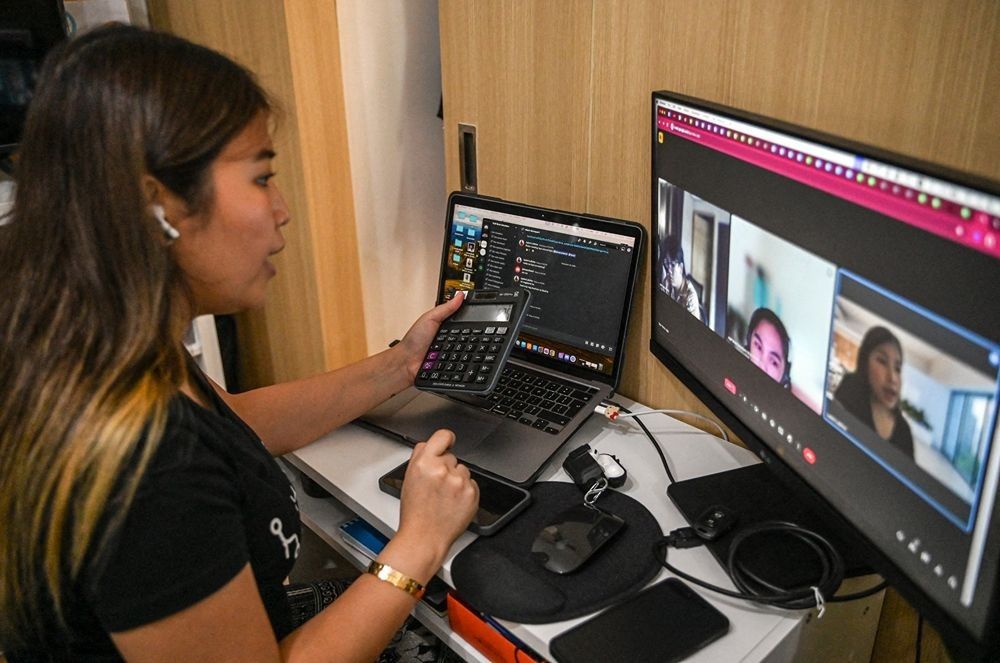
The Philippines' next major test may come from the very industry that has powered its economic ascent: call centers and business process outsourcing (BPO). As artificial intelligence (AI) threatens to disrupt jobs in this critical sector, global management consulting firm Kearney advises that the country's newly attained upper-middle-income status should spur the government and businesses to cultivate additional engines of growth, ranging from manufacturing to tourism, and to invest in the necessary infrastructure. Among the key risks highlighted by Marco de la Rosa, Kearney Philippines country head, and Varun Arora, Southeast Asia managing partner, is AI's potential impact on call centers and the BPO industry, a significant economic driver for the nation. Kearney estimates that as many as 100,000 jobs in the Philippines could become obsolete due to AI by 2023, with the effects already being observed in financial institutions and telecommunications. While AI is poised to disrupt numerous industries globally, the Philippines has more at stake than many other nations. The BPO sector has become one of its largest sources of employment and foreign exchange, projected to generate $38 billion in revenue and employ 1.82 million workers in 2024. This industry has also been instrumental in absorbing college-educated workers and anchoring office demand in major urban centers. De la Rosa underscored that the risks associated with AI make infrastructure investment even more urgent, particularly if the Philippines aims to build industries beyond BPOs. "So, if we need to diversify away from contact centers and BPOs, and we need to look into other industries, be it manufacturing or tourism, all of those things require good, stable, strong and scalable infrastructure," he stated in a Philstar.com interview. Infrastructure is crucial in its own right, but it becomes even more critical for a country striving to broaden the sources of its economic growth. Arora added that governments and companies must also prepare for more "black swan events" – unpredictable shocks with severe consequences, especially those linked to technology. "What if these black swan events happen? Then what will we do? So let's say there is, and I'm not saying just Philippines, but let's say there is a massive cybersecurity incident which happens that can rattle an economy," Arora told Philstar.com. Arora suggested that these uncertainties are unlikely to dissipate soon, and foreign investors will increasingly assess whether markets possess sufficient resilience and alternative options to absorb disruptions. "The uncertainties created by AI and technology and the risk of job losses, as well as the risk of technology disruptions, cyberattack or technology breakdown or AI going wrong, those uncertainties are very high for companies right now," he remarked. In an increasingly volatile global environment, the Philippines needs to demonstrate to investors that it possesses multiple strategic options across industries to remain competitive, Arora emphasized. "Bringing up other sectors of industry, BPOs are getting disrupted. So resilience and options is very important for the government and a lot of these enterprises to think of because we are in a world where we can't just look at the upside," he advised. Both Arora and De la Rosa believe that the Philippines' upgrade in income status should be viewed less as a final achievement and more as the commencement of a more demanding race for investment and competitiveness. "We're progressing, and we're advancing, and we're developing. But now it's about making sure we stay competitive and we get in front of other opportunities," de la Rosa concluded.
多角的分析
AIによるBPO産業への影響は、フィリピン経済の主要な外貨収入源と雇用創出源である同セクターに直接的な打撃を与える可能性がある。これにより、経済成長率の鈍化、失業率の上昇、そして外貨準備高への影響が懸念される。特に、BPO産業に依存する都市部では、オフィス需要の低下や関連産業への波及効果も考えられる。政府は、このリスクを軽減するため、新たな産業育成への投資と、それらを支えるインフラ整備を加速させる必要がある。
AIによるBPO分野の混乱リスクは、フィリピンへの外国直接投資(FDI)にとって重要な懸念材料となる。投資家は、同国経済のレジリエンス、すなわち予期せぬショックを吸収し、回復する能力を重視するようになる。BPO以外の産業への投資機会の多様化、インフラの質と安定性、そしてサイバーセキュリティ対策の強化は、投資誘致における競争力を左右する要因となるだろう。不確実性が高まる中で、投資家はよりリスク分散された投資先を求める傾向が強まる可能性がある。
AIによるBPO職の減少は、特にコールセンターで働く多くの若年層や、大学卒業者にとって深刻な影響をもたらす。彼らの雇用機会が失われることは、家計収入の減少、社会不安の増大、そして都市部への人口集中緩和策の必要性を浮き彫りにする。BPO産業は、これまで多くのフィリピン国民に安定した雇用と中間所得層への道を提供してきたため、その代替となる雇用機会の創出が急務である。地方都市へのインフラ投資が進まなければ、都市部と地方の経済格差がさらに拡大する恐れもある。
AIの進化は、フィリピンの多くの国民、特にBPOセクターで働く人々にとって、雇用の安定性に対する直接的な不安材料となっています。これまで比較的安定した収入とキャリアパスを提供してきたBPO産業がAIに代替される可能性は、多くの家庭の経済状況に影響を与えかねません。特に、若年層の雇用機会の減少は、将来への希望や社会への貢献意欲に影を落とす可能性があります。政府が掲げる経済多角化の具体的な進展や、新しい産業での雇用創出が、国民の生活実感にどのように反映されるかが注目されます。
背景・歴史的文脈
フィリピンのBPO産業は、2000年代初頭から急速に成長し、同国の経済成長と雇用創出の重要な柱となった。低賃金労働力と英語能力の高さが、欧米企業のアウトソーシング先としての魅力を高めた。しかし、AI技術の進化は、特に定型的な事務作業やカスタマーサービスといったBPOの主要業務を自動化する可能性を秘めている。このため、フィリピン経済は、長年依存してきたBPO産業の構造変化に直面し、新たな成長分野への転換を迫られている。2024年にはフィリピンは世界銀行により高所得国から中所得国(Upper Middle Income Country)に引き上げられたが、これは同時に、より高度な産業構造への移行と国際競争力の維持が求められることを意味している。
原文ソース
Philstar Business