DOH Urges Caution on COVID-19 Data Amidst Quezon City Case Surge
The Philippine Department of Health (DOH) is investigating a reported surge in COVID-19 cases in Quezon City but urges caution in interpreting the data. Despite a high percentage increase, the absolute numbers are small, and overall national infections show a declining trend, the DOH noted.
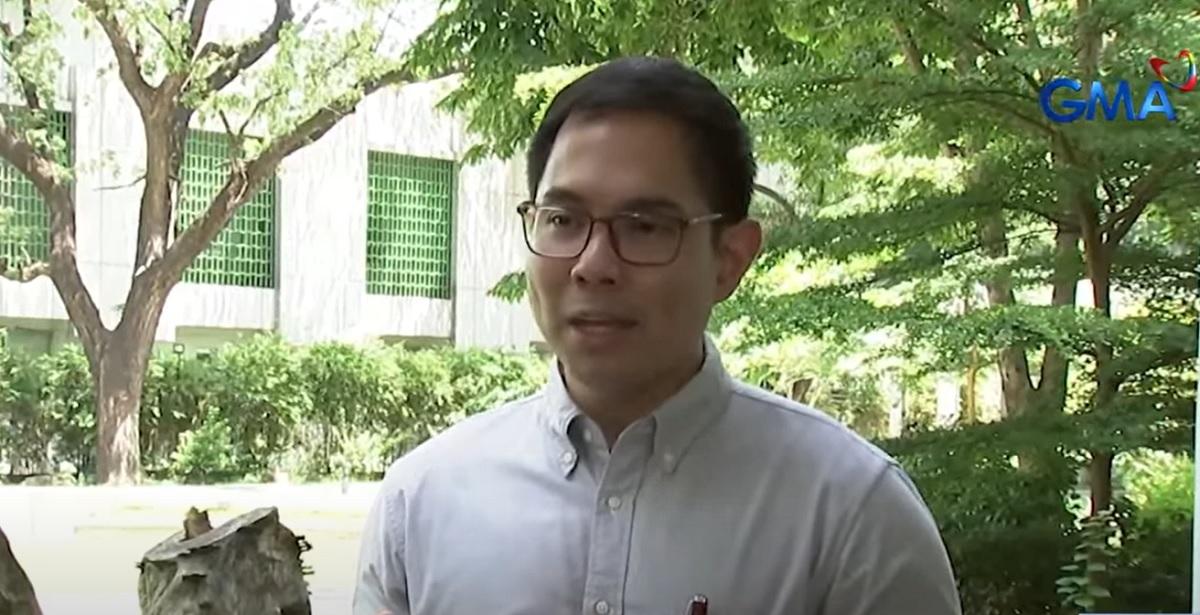
The Department of Health (DOH) is investigating an increase in COVID-19 cases in Quezon City, in collaboration with the city’s Epidemiology and Surveillance Division (QCESD), but urged the public to exercise caution in reporting and interpreting data on the disease. DOH spokesperson Albert Domingo stated that Quezon City recorded 146 COVID-19 cases as of July 1, with the city government reporting a 265.22% surge over the past three weeks. The local government indicated that cases rose to 84 between June 11 and July 1, from 23 confirmed cases recorded between May 21 and June 10. "The Department of Health (DOH) and QCESD are investigating these cases that seem to be isolated in specific areas or health facilities, where the close proximity of individuals may have played a role in the recorded increase," Domingo said. He clarified that citing a percentage increase like "265%" does not accurately reflect the small absolute number and requires significant caution in interpretation. According to the Health Department, Quezon City has logged a cumulative 125 cases as of July 4, a 68% decrease from the 389 cases reported in 2025. Of these recent cases, only 17 (14%) required hospital admission, while 108 (86%) were managed as outpatients, and 70% have already recovered. The DOH also reported a "significant overall decline" in COVID-19 infections at the national level. As of June 20, 2026, there were 719 cumulative cases reported nationwide, compared to 3,579 cases during the same period last year. The department reminded the public to maintain hand hygiene and practice other preventive measures, especially as water-borne diseases, influenza-like illnesses, leptospirosis, and Dengue are prevalent during the wet season. Information Source: GMA News Philippines
多角的分析
ケソン市でのCOVID-19症例数の増加は、現時点では経済活動に直接的な大きな影響を与えるものではないと考えられる。しかし、感染拡大が続けば、医療体制への負担増、一部地域での活動制限、さらには消費者の行動変容(外出控えなど)を引き起こす可能性があり、短期的にはサービス業を中心に若干のマイナス影響をもたらすことも否定できない。ただし、フィリピン経済全体としては、COVID-19のパンデミック初期のような深刻な打撃を受ける状況にはない。
今回のケソン市の症例数増加は、投資家にとって現時点では限定的な懸念材料と見なされるだろう。DOHが全国的な感染者数の全体的な減少傾向と、最近の症例の多くが軽症である点を強調しているため、大規模な経済活動の停止やサプライチェーンの混乱につながるリスクは低いと判断される。ただし、感染状況の推移は引き続き注視する必要がある。特に、新たな変異株の出現や医療体制への負荷増大は、投資環境に不確実性をもたらす可能性がある。
ケソン市で報告されたCOVID-19症例の265%増という数字は、市民に不安を与える可能性がある。特に、過去のパンデミックで経験した深刻な感染拡大の記憶が残る中、このような高い増加率の報道は、感染再拡大への懸念を呼び起こしやすい。DOHが絶対数と解釈の慎重さを呼びかけていることは、不必要なパニックを防ぎ、正確な情報に基づいた公衆衛生への協力を促すための重要なメッセージである。また、雨季に流行しやすい他の感染症への注意喚起は、市民の健康管理に対する継続的な意識の必要性を示唆している。
ケソン市に住む市民にとって、COVID-19症例の急増というニュースは、再び感染への警戒を強めるきっかけとなるだろう。特に、増加率が265%という高い数字で報じられると、不安を感じる人も少なくないはずだ。しかし、DOHが指摘するように、実際の症例数(絶対数)はまだ管理可能な範囲であり、入院を必要とするケースも少ないと聞けば、過度に恐れる必要はないと理解できる。それでも、手洗いやマスク着用といった基本的な感染対策は、雨季の他の病気も考慮すると、継続することが賢明だと考えるだろう。
背景・歴史的文脈
フィリピンにおけるCOVID-19の感染状況は、2020年初頭からのパンデミック以降、公衆衛生当局にとって常に最重要課題の一つであった。特に、人口密度が高く、医療インフラが脆弱な地域では、感染拡大の抑制が困難を極めた。過去には、大規模なロックダウンや厳格な移動制限が実施され、経済活動に大きな影響を与えた。今回のケソン市での症例数増加は、パンデミック収束後も感染リスクが完全に消滅したわけではないことを示唆しており、公衆衛生当局は、感情論や過度な報道に惑わされず、科学的根拠に基づいた情報発信と、感染拡大防止策の継続的な実施の重要性を再認識している。
原文ソース
GMA News Philippines