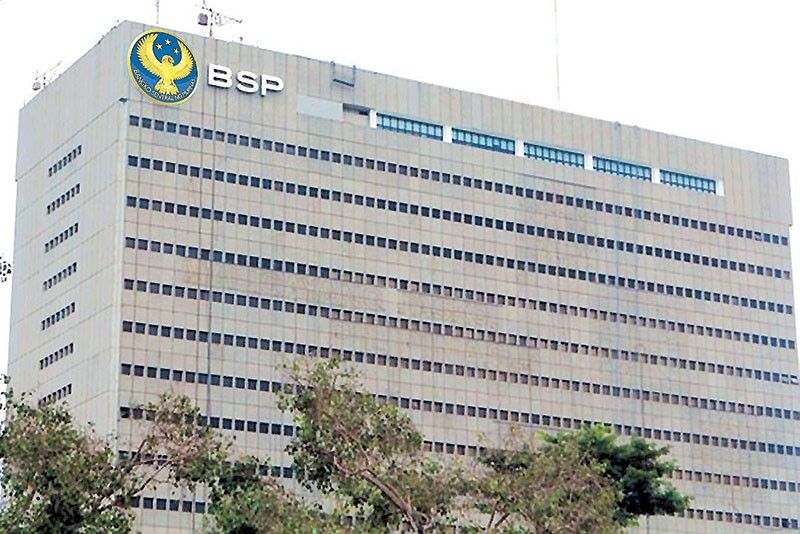
BSP Tightens Controls Over Casino Junket Operators
Business
2026年7月22日
5
Philstar Business

General articles are free for 24 hours after publish.

BSP Tightens Controls Over Casino Junket Operators

Share
AI Summary

The Bangko Sentral ng Pilipinas (BSP) has instructed financial institutions to tighten controls over casino junket operators, citing the continued presence of cash, checks, shell companies, and layered transactions that obscure illicit fund flows. The central bank highlighted the elevated money laundering risks associated with these operators.

MANILA, Philippines — The Bangko Sentral ng Pilipinas (BSP) has called on banks and other supervised financial institutions to tighten controls over casino junket operators, after a review found that cash, checks, shell companies, and layered transactions continued to make illicit fund flows difficult to detect. The central bank stated that BSP-supervised financial institutions (BSFIs) must strengthen customer verification, transaction monitoring, and suspicious transaction reporting for casino junket operators, which arrange gaming-related services such as travel, credit, and casino room bookings for high-value players. “Financial transactions linked to casino junket operators can pose elevated money laundering risks,” said BSP Deputy Governor Lyn Javier. “We identify the best practices and red flags BSFIs need to watch out for to be strong partners in our shared goal of curtailing crime and safeguarding the integrity of the financial system,” Javier added. The guidance was based on a thematic review of selected universal and commercial banks and thrift banks with exposure to junket operators and players. The review examined banks’ due diligence processes, the flow of junket-related transactions, and the adequacy of controls used to manage the risks. Results showed that physical cash and checks were the predominant means of moving funds into and out of junket operations. Common transactions included transfers of time deposits and check deposits between banks, transfers involving casinos and the personal accounts of financiers, players, and junket operators, and foreign exchange transactions between casinos and money service businesses. The BSP identified several vulnerabilities, including the cash-intensive nature of junket operations, cross-border transfers, limited transparency over the identities and sources of funds of high rollers, and the use of intermediaries. Among the schemes observed were transactions that were inconsistent with declared sources of funds, purchases of casino chips using small-denomination currency followed by minimal gambling activity, and the failure to report transactions required under junket agreements. Other red flags included frequent large cash and check deposits without a clear economic purpose, transfers through non-cash instruments, and individuals initially identified as casino players or financiers who were later found to be junket operators or beneficial owners of junket companies. The central bank said banks generally classify junket operators as high-risk customers and subject them to enhanced due diligence. However, financial institutions need more tailored policies covering their onboarding, ownership structures, business activities, and transaction patterns. Detection has also been complicated by the limited availability of official information on registered and delisted junket operators, their beneficial owners, stockholders, and related parties. The BSP said closer information sharing among the central bank, the Philippine Amusement and Gaming Corp. (PAGCOR), and financial institutions would be critical to addressing these risks.

0

Original source

Philstar Business

原文を読む