Vietnam's Science and Technology: Addressing Two Major Bottlenecks to Drive Growth
Vietnam's Ministry of Science and Technology aims to overcome two major bottlenecks, namely disbursement and organizational implementation, to make science and technology a growth driver. Building on the achievements of the first half of 2026, the focus for the latter half will be on resolving these issues.
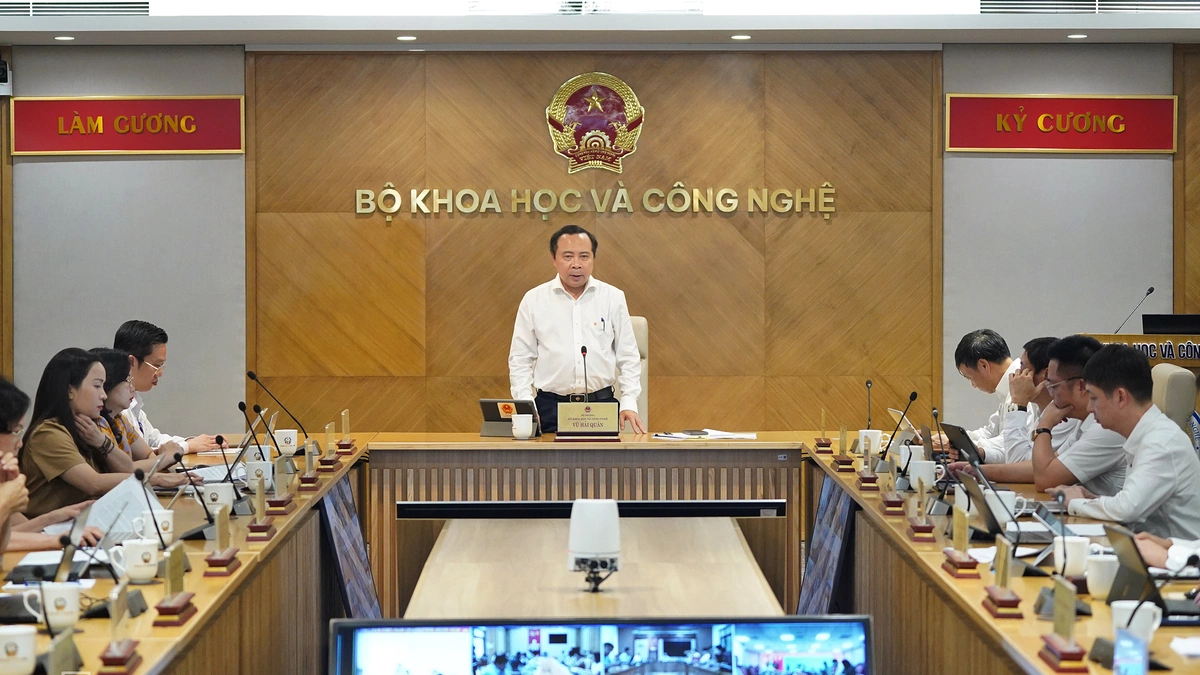
Vietnam's Ministry of Science and Technology is focusing on overcoming two major bottlenecks – disbursement of funds and organizational implementation – to make science and technology a driving force for national growth. This was revealed by Minister of Science and Technology Vũ Hải Quân at a conference reviewing the first half of 2026 and outlining tasks for the latter half. In the first half of 2026, the ministry led the drafting and submission of 14 decrees, 5 resolutions, and 27 decisions to the Government and Prime Minister, and issued 34 circulars under its authority. It also submitted two draft laws to the Government: the Law amending and supplementing several articles of the Law on Measurement and the Law on Post (amended). Mechanisms and policies related to basic research, scientific integrity, high-quality research human resource development, and strategic technologies have been refined. During this period, Vietnam achieved 12,842 international publications, an 8.4% increase compared to the same period in 2025. Scientific and technological research activities in localities also showed positive changes, moving towards proactive ordering, digitizing management processes, and promoting the commercialization of research results. Institutional frameworks supporting innovation continued to be promoted, focusing on developing innovation centers in localities, completing mechanisms for the National Venture Capital Fund to operate, and upgrading the National Science and Technology Trading Floor. Vietnam's Global Innovation Index ranked 44th out of 139 economies, and its creative startup ecosystem ranked 50th globally, a five-place increase and its highest position ever. Ho Chi Minh City also entered the top 100 global startup ecosystems for the first time. In the digital transformation sector, the ministry has reviewed and classified 84 shared digital platforms from the central to local levels. By the end of the first quarter of 2026, approximately 30.59 million public digital certificates had been issued nationwide, with the digital signature penetration rate among the adult population reaching 44.21%. Digital transformation in localities has shifted from digitizing procedures to data-driven management, operation, and service provision based on digital platforms and AI. For the remaining six months of the year, the Minister stated that the basic completion of institutional frameworks has been achieved, and the focus will now shift to implementation. Two major bottlenecks identified are the disbursement of funds and the decisiveness in leadership and management by leaders of provincial Departments of Science and Technology. The Minister urged local authorities to proactively report any difficulties for the Ministry to address and called for leaders to be more resolute, take responsibility, and advise competent authorities to accelerate the progress of scientific and technological activities, innovation, and digital transformation. In the innovation field, several projects will be implemented to support innovation and leverage technology to enhance productivity and quality for businesses. For digital transformation, local authorities are urged to thoroughly study new regulations and align them with their operations, from budgeting to the disbursement of funds for procurement of equipment and digital platforms.
多角的分析
ベトナム経済は、製造業と輸出に大きく依存しており、その持続的成長のためには、付加価値の高い産業への転換が不可欠である。科学技術の振興は、この転換を促すための重要な柱となる。しかし、今回の報告にあるように、資金執行の遅れや組織的な実行力の不足は、研究開発投資の効果を最大化する上で大きな障害となっている。過去、ベトナム政府は科学技術分野への投資を増やす政策を打ち出してきたが、それが実際の研究成果や産業競争力の向上に直結していないケースが多く見られる。これは、単に予算を増やすだけでなく、その予算が効果的に使われ、イノベーション創出に繋がるエコシステムを構築する必要性を示唆している。特に、研究成果の商業化や、大学・研究機関と産業界との連携強化が鍵となる。
ベトナムの科学技術分野への投資は、長期的な視点で見れば大きなポテンシャルを秘めている。特に、AI、バイオテクノロジー、新素材などの先端技術分野は、グローバルなサプライチェーン再編や国内産業高度化の文脈で注目されている。しかし、今回の報告で示された資金執行の遅延や実行体制の課題は、投資家にとってリスク要因となり得る。研究開発プロジェクトの遅延や、期待される成果が得られない可能性は、投資回収期間の長期化や収益性の低下に繋がりかねない。投資家は、政府の政策目標だけでなく、実際のプロジェクトの進捗状況や、研究成果の市場投入能力を慎重に見極める必要がある。また、イノベーションエコシステムの成熟度や、知的財産権保護の状況も重要な判断材料となる。
科学技術の進展とイノベーションの促進は、国民生活の質の向上に直結する。例えば、医療技術の進歩は健康寿命の延伸に、デジタル技術の活用は行政サービスの効率化や教育機会の拡大に貢献する。しかし、今回の報告で指摘された課題、特に資金執行の遅れは、これらの恩恵が国民に行き渡るまでの時間を遅らせる可能性がある。また、地方における科学技術研究の発展が遅れると、地域間の格差が拡大する懸念もある。イノベーション創出が一部の都市部に集中し、地方の住民がその恩恵を受けにくい状況が生まれることも考えられる。国民が科学技術の恩恵を享受するためには、研究開発だけでなく、その成果を社会全体に普及させ、活用していくための仕組みづくりが重要となる。特に、地方のニーズに合わせた技術開発や、デジタルデバイドの解消に向けた取り組みが求められる。
今回の科学技術省の会議での発言は、私たちの生活に間接的ではあるが、大きな影響を与えうるものです。例えば、新しい技術が開発され、それが製品やサービスとして私たちの手に届くまでには、研究開発だけでなく、それを社会に普及させるための資金や体制が重要です。もし、予算がうまく使われなかったり、組織がきちんと動かなかったりすると、例えば、より良い医療技術や、便利なデジタルサービスが、予定よりも遅れてしまう可能性があります。また、地方で科学技術が発展しないと、都市部との差が大きくなり、私たち地方の人間が新しい技術の恩恵を受けにくくなるかもしれません。私たちは、政府が科学技術を推進するだけでなく、その成果が私たち市民の生活を豊かにするために、きちんと使われることを期待しています。
背景・歴史的文脈
ベトナムは、1986年のドイモイ(刷新)政策以降、市場経済化を進め、目覚ましい経済成長を遂げてきた。その成長戦略の一環として、科学技術の振興とイノベーションの促進は、製造業中心の経済構造から脱却し、高付加価値産業へと移行するための重要な柱と位置づけられている。政府は、研究開発投資の増加や、スタートアップ支援策などを打ち出してきた。しかし、ベトナムが直面する科学技術分野の課題は、単なる資金不足ではなく、法制度の整備、人材育成、研究機関と産業界の連携不足、そして官僚的な手続きの煩雑さなど、構造的な問題を含んでいる。今回の報告で指摘された「資金執行の遅れ」と「組織的実施の課題」は、こうした長年の構造的課題が、具体的な政策実行の場面で顕在化したものと言える。
原文ソース
VnExpress