General articles are free for 24 hours after publish.
Volcanic Ash Reaches Jakarta, Health Office Urges Vigilance for Respiratory Ailments
Volcanic ash has reached Jakarta, prompting the DKI Jakarta Health Office to urge residents, especially those with respiratory conditions, to be mindful of their health. Limiting outdoor activities and using appropriate protective gear are advised.
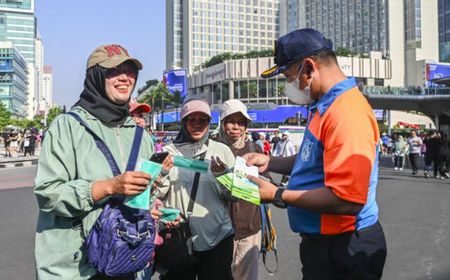
Volcanic ash detected reaching the Jakarta area necessitates heightened attention to health conditions, particularly for individuals with respiratory disorders. The DKI Jakarta Health Office (Dinkes) is urging residents to minimize exposure to ash that can affect the respiratory tract, eyes, and skin. Ani Ruspitawati, Head of the DKI Jakarta Health Office, explained that volcanic ash contains very fine particles capable of entering the respiratory tract. This exposure can potentially lead to various health complaints, especially in vulnerable groups. "Exposure to volcanic ash can trigger coughing, throat irritation, shortness of breath, and worsen respiratory diseases such as asthma and chronic obstructive pulmonary disease (COPD)," Ani stated in an official release in Jakarta on Sunday, as quoted by ANTARA. The impact of volcanic ash extends beyond breathing difficulties. Eyes may experience soreness, redness, or a gritty sensation. On the skin, ash exposure can cause itching and irritation. Consequently, residents are encouraged to reduce outdoor activities, especially during periods of increased ash concentration. Closing doors and windows tightly is advised to prevent ash particles from entering homes. For unavoidable outdoor activities, the use of KN95 or N95 masks and protective eyewear is recommended to mitigate exposure, a measure of particular importance for those in areas with higher ashfall. Upon returning home, residents should promptly clean themselves by showering and shampooing, and changing clothes worn outside. Clothing exposed to ash should be washed separately. Guidance on cleaning volcanic ash from homes, vehicles, and the surrounding environment has also been provided. During cleaning, the public is advised to wear protective equipment such as masks, goggles, gloves, long-sleeved clothing, and closed shoes. Sweeping ash in dry conditions should be avoided as it can resuspend particles into the air, posing an inhalation risk. Ani suggests moistening the ash sufficiently before cleaning, cautioning against excessive water use, which could lead to clumping and potential clogging of water channels. Beyond cleaning, recognizing post-exposure bodily conditions is crucial. Mild complaints like eye irritation or coughing should be monitored, especially if they persist. Certain groups, including children, the elderly, pregnant women, and individuals with respiratory diseases like asthma and COPD, are urged to exercise increased vigilance. If symptoms such as shortness of breath, worsening cough, chest pain, or vision disorders arise, the public is strongly advised to seek immediate medical attention at the nearest health facility. Vigilance is paramount during volcanic ash events. By limiting exposure, utilizing appropriate protection, and maintaining cleanliness after outdoor activities, the risk of health problems associated with ash can be significantly minimized. "Protect yourself, protect your family. Stay alert and prioritize health during the volcanic ash condition," Ani concluded. Source: VOI English
Original source
VOI English