Appeals Court Upholds Two-Year Jail Term for Anon Nampa in Lèse-Majesté Case
Society
2026年7月16日
6
Thai Enquirer

Appeals Court Upholds Two-Year Jail Term for Anon Nampa in Lèse-Majesté Case

AI サマリー

Thailand's Court of Appeal has upheld a two-year prison sentence against human rights lawyer Anon Nampa for lèse-majesté, stemming from a 2020 protest speech. The ruling is the first appellate decision among multiple cases against him, affirming the lower court's conviction.

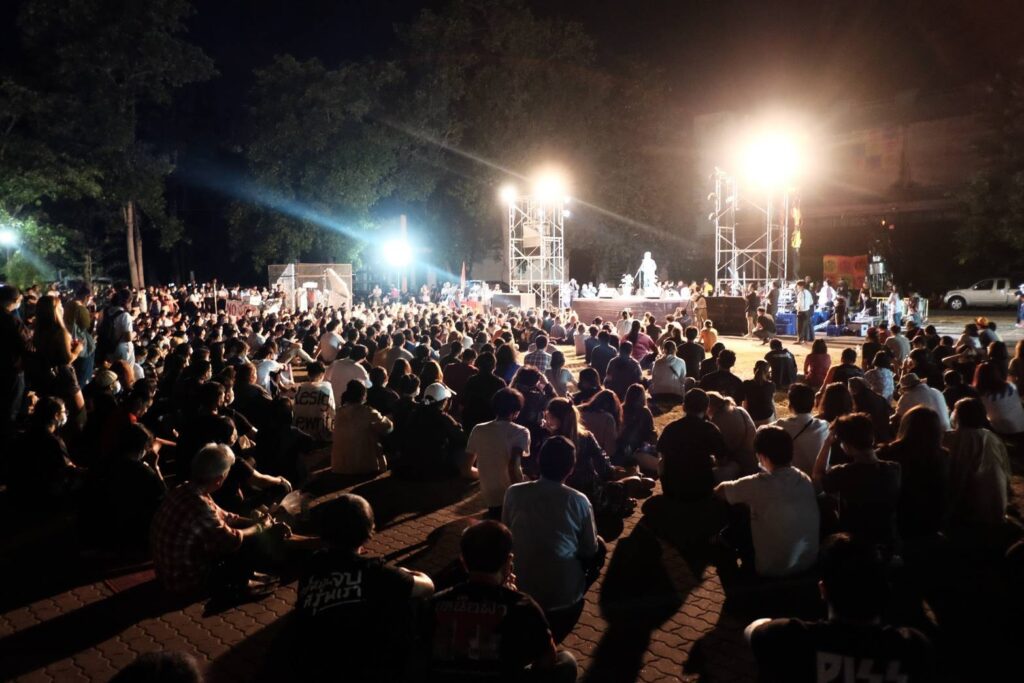
The Court of Appeal Region 5 on Thursday upheld a two-year prison sentence against human rights lawyer and activist Anon Nampa in a lèse-majesté case over a speech he delivered at a protest at Chiang Mai University’s Art and Culture Center in November 2020. The appeal court affirmed the Chiang Mai Provincial Court’s March 2025 ruling, which found Anon guilty under Thailand’s lèse-majesté law. The lower court initially imposed a three-year prison sentence before reducing it by one-third to two years in recognition of his cooperation during the proceedings. The appeal judgment was delivered via video conference to Bangkok Remand Prison, where Anon has remained in custody without bail pending appeal since Sept. 26, 2023. The case stems from a rally organized by the Mor Chor Community group on Nov. 23, 2020, during the pro-democracy movement that called for reforms to the monarchy. Prosecutors argued that Anon’s speech criticized legal changes introduced in 2017 and 2018 that transferred the management of Crown Property Bureau assets, including shareholdings in Siam Commercial Bank and Siam Cement Group, as well as state-held land, to the personal control of the King. The lower court found that the remarks conveyed the meaning that the King had appropriated state assets for personal ownership, constituting defamation and insult under the lèse-majesté law. It also ruled that constitutional protections for freedom of expression do not extend to speech that violates criminal law or undermines national security. The appeals court upheld those findings. Throughout the trial and appeal, Anon argued that his speech was based on legal amendments enacted in 2017 and 2018 under the military government, which he said altered the management of Crown Property Bureau assets. He testified that he was expressing concern over the implications of those changes and calling for the law to be restored to its previous form, arguing that his remarks were fair criticism made in good faith under constitutional and international protections for freedom of expression rather than defamation or insult of the King. He also challenged the lower court’s interpretation of the Constitution and argued that prosecutors had failed to prove his statements were false. The appeals court rejected those arguments. The ruling is the first appeals court judgment among the 14 lèse-majesté cases filed against Anon. He has already been convicted in 11 cases at the trial court level, receiving combined prison sentences totaling more than 31 years and eight months. All of those convictions remain under appeal, and Anon has been held without bail since September 2023.

多角的分析

経済的影響

タイの不敬罪法(レセ・マジェステ法)の適用は、国内外の投資家にとってタイの法制度の不確実性を示す一因となりうる。特に、国王関連資産の管理に関する議論を批判した今回のケースは、王室財産局の資産運用や、それに連動するサイアム・コマーシャル銀行やサイアム・セメント・グループといった主要企業の株式価値に間接的な影響を与える可能性も否定できない。過去にも、不敬罪関連の訴訟がタイの株式市場のセンチメントに影響を与えた事例があり、今後の訴訟の動向が注視される。

投資家心理

アノン・ナンパ氏に対する不敬罪訴訟の控訴審判決は、タイの法執行の安定性に対する懸念を投資家に抱かせる可能性がある。特に、2017年および2018年の法改正と王室財産局の資産管理に関する言及が訴追された事実は、タイにおける言論の自由と経済活動の境界線について、投資家が慎重な判断を迫られる要因となりうる。現在、アノン氏には複数の不敬罪訴訟が係属中であり、これらの累積的な判決は、タイへの直接投資や株式市場への投資判断において、リスク要因として考慮されるだろう。

社会的影響

今回の判決は、タイにおける表現の自由と王室への敬意という、社会的に繊細な問題に再び光を当てた。アノン氏の支持者からは、国王関連資産の管理に関する法改正について、国民が議論する権利が制限されているとの声が上がっている。一方で、不敬罪法はタイ社会の安定を維持するための重要な法的枠組みと見なす意見も根強く存在する。この判決は、特に若年層の間で広がる民主化運動の機運と、保守的な価値観との間の緊張関係を浮き彫りにしている。今後、社会全体でこれらの問題にどう向き合っていくかが問われることになる。

市民の声

アノン・ナンパ氏への禁錮刑支持というニュースは、タイ国民、特に表現の自由を重視する層にとって、大きな懸念材料となる。2020年の民主化運動以降、不敬罪関連の訴訟は増加傾向にあり、人権活動家や政治家が厳罰に処される事例が相次いでいる。今回の判決は、国王関連資産の管理に関する法改正について、批判的な意見を表明することの危険性を示唆しており、国民が公然と発言することへの萎縮効果をもたらす可能性がある。バンコクの市民は、物価上昇や経済格差といった日々の生活課題に加え、こうした政治的・法的な抑圧についても不安を感じている。

背景・歴史的文脈

タイの不敬罪法(仏法第112条)は、国王、王妃、王太子、摂政を侮辱、誹謗、または扇動する行為を禁じている。この法律は、1957年に制定され、その後何度か改正されている。特に2007年以降、政治的な混乱期や社会運動の高まりとともに、この法律の適用が増加する傾向にある。2014年のクーデター後、軍事政権下で不敬罪訴追が増加し、2020年以降の民主化運動においても、王室改革を求めるデモ参加者や活動家が不敬罪で訴追されるケースが相次いでいる。アノン・ナンパ氏は、これらの運動の中心人物の一人であり、複数の不敬罪訴訟に直面している。今回の判決は、彼に対する訴訟の中で最初の控訴審判決であり、今後の展開に影響を与える可能性がある。

原文ソース

Thai Enquirer

原文を読む