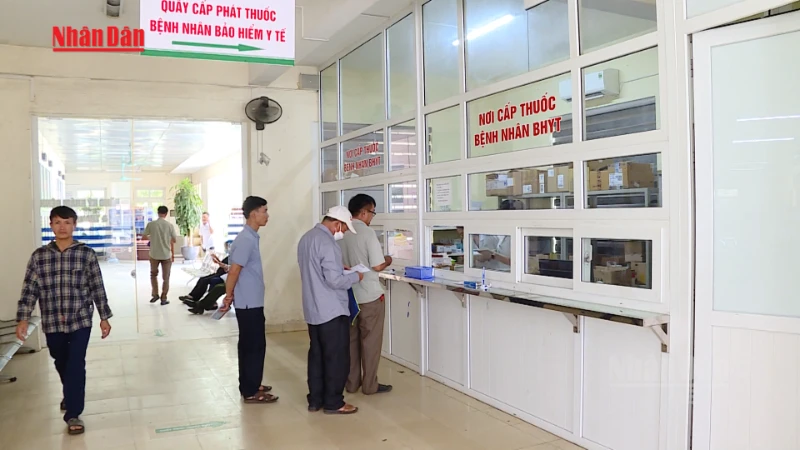
Vietnam to Implement New Health Insurance Policies, Easing Out-of-Pocket Costs for Some Outpatient Care
Effective July 1, 2026, Vietnam will implement new health insurance regulations. This change is expected to reduce out-of-pocket expenses for certain outpatient treatments at primary and specialized healthcare facilities, covering previously excluded conditions.
This article requires PRO
This article is outside the free access window or is a special report. PRO unlocks it and the full archive.
Related articles
- Can Tho Cancer Hospital Nears Completion, Faces Equipment Procurement Hurdles
Construction of a 500-bed cancer hospital in Can Tho City, Vietnam, is 90% complete and targets a January 2027 opening. While the infrastructure nears readiness, procurement of specialized medical equipment and essential supplies faces legal hurdles and issues with suppliers, impacting the timely delivery of critical treatments.
- Vietnamese Students Shift Focus from US to Asia Amid Rising Tuition and Stricter Visa Rules
Vietnamese students are increasingly looking beyond the US for higher education, with Asian universities in Singapore and Hong Kong emerging as more attractive alternatives due to rising tuition costs, stricter visa regulations, and uncertainty surrounding post-graduation work prospects.
- Vietnam's Public Security Ministry Explores AI, Cyber Training Cooperation with Canada's Concordia University
Vietnam's Ministry of Public Security is exploring potential training and research cooperation in AI and cybersecurity with Canada's Concordia University. Building on their strategic partnership, both sides aim to create concrete collaborative initiatives.
- Cho Ray Hospital Investigates Doctor Over Alleged 'Envelope' Suggestion for Early Surgery
Vietnam's leading Cho Ray Hospital has launched an investigation into a doctor accused of soliciting cash from patients for expedited surgery. The hospital stated that strict disciplinary action will be taken if any wrongdoing is confirmed.