Philippines' Upper-Middle Income Status: Loans Seen Unaffected for Now
Economy
2026年7月6日
5
BusinessWorld Economy

Philippines' Upper-Middle Income Status: Loans Seen Unaffected for Now

AI サマリー

The Philippines' reclassification to an upper-middle income country (UMIC) by the World Bank is not expected to immediately impact its multilateral loans or 2027 budget plans, according to Malacañang. The Department of Finance anticipates a typical three-year transition period before any minimal adjustments to loan terms occur.

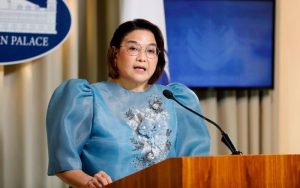
The Philippines’ elevation to upper-middle income country (UMIC) status will not immediately affect the terms of its multilateral loans or the government’s financing plans for the 2027 national budget, Malacañang said on Monday. At a briefing, Palace Press Officer Clarissa A. Castro quoted Finance Secretary Frederick D. Go as saying that multilateral development institutions typically observe a transition period before adjusting lending terms for countries that move into a higher income classification. “The effect on multilateral loans will not (be immediate),” Ms. Castro said, citing Mr. Go. “Most of them (will wait and see) for about three years before there is an effect on loan rates, and the effect is very minimal … for 2026 or 2027, there will be no effect; if any it will be miniscule,” she added. Ms. Castro said even if lending institutions eventually revise their loan terms, any changes will not be felt in the next three years. The Department of Budget and Management has said that the proposed government budget for 2027 is P7.2 trillion, reflecting a 6% increase and equivalent to 21.7% of gross domestic product. Asked whether UMIC status will affect preparations for the 2027 National Expenditure Program, Ms. Castro said the transition period cited by the DoF extends beyond the current budget planning horizon. “For now, there is none because, as we said, this will be assessed over the next three years, so the 2027 budget will not be affected,” she said. The Palace also said the DoF has yet to provide details on whether the higher income classification will affect the Philippines’ eligibility for development grants from foreign governments and multilateral institutions. The World Bank last week reclassified the Philippines as an upper-middle income economy, placing it alongside regional peers that have surpassed the institution’s income threshold, which is based on gross national income per capita. UMIC status has been characterized as the result of the sustained economic expansion of recent years, though it may eventually reduce access to highly concessional financing that is typically reserved for lower-income economies. Multilateral loans are low-interest, long-term credit lines extended by global institutions like the World Bank and the Asian Development Bank to fund government development and infrastructure projects. The Palace maintained that the change in income status will not alter the government’s immediate borrowing strategy or budget financing plans, with any possible adjustments to multilateral loan terms expected only after lending institutions assess whether the Philippines maintains its new income classification over the next several years. — Erika Mae P. Sinaking

多角的分析

経済的影響

フィリピンが上級中所得国(UMIC)に分類されたことは、経済成長の証ではあるが、同時にこれまで享受してきた有利な条件の融資や開発援助へのアクセスが将来的に制限される可能性を示唆している。今回の政府発表は、短期的な影響を緩和し、市場の過度な反応を抑える意図があると見られる。しかし、長期的に見れば、より市場金利に近い条件での資金調達への移行や、民間投資の誘致がより重要になる。これは、インフラ整備など大規模な開発プロジェクトの資金調達戦略の見直しを迫る可能性がある。

投資家心理

UMICへの昇格は、フィリピン経済の成熟度を示すポジティブなシグナルと捉えられる一方、 concessional financing(譲許的資金調達)へのアクセス低下は、特にインフラ開発など長期的なプロジェクトへの投資家にとって、資金調達コストの上昇リスクとなり得る。政府が短期的な影響はないと強調している点は、投資家の安心材料となるが、将来的な融資条件の変更に備えたリスク管理が求められる。フィリピンの経済成長が持続可能であることを示す実績が、より重要視されるだろう。

社会的影響

フィリピンがUMICに分類されたことは、国民全体の所得水準の向上を示す指標となり得るが、その恩恵が国民全体に均等に行き渡っているかは別の問題だ。UMICへの移行は、国際社会からの援助依存度を低下させる一方で、国内の社会保障や公共サービスの充実に向けた財源確保の必要性を高める。特に、所得格差が大きいフィリピンにおいては、経済成長の果実が一部の層に集中することなく、貧困層や地方のコミュニティにも波及するような政策が問われることになる。

市民の声

フィリピン市民、特に低所得層にとって、UMICへの移行は直接的な生活実感の変化に繋がりにくい可能性がある。政府が国際機関からの融資条件の変更がないと説明しても、それは主に政府の財政運営に関わる話であり、市民生活に直結する物価や雇用の安定に即効性があるわけではない。むしろ、将来的に国際的な援助が減少し、国内での財政負担が増加する可能性を懸念する声も上がるかもしれない。教育や医療といった公共サービスの質が、所得水準の向上に見合う形で改善されるかどうかが、国民の満足度に大きく影響するだろう。

背景・歴史的文脈

フィリピンが上級中所得国(UMIC)に分類されたのは、世界銀行が定める一人当たりの国民総所得(GNI)の基準に基づき、近年の経済成長が評価された結果である。UMICの基準は、2023年時点で年間4,256ドルから13,195ドルのGNI/人である。フィリピンは、2019年に初めてこの基準を超えたが、パンデミックの影響で一時的に基準を下回った後、再びこの分類に戻った。この昇格は、経済発展の証であると同時に、これまで低・中所得国向けに提供されていた concessional financing(譲許的資金調達)へのアクセスが制限される可能性を示唆しており、今後の資金調達戦略の見直しが求められる。

原文ソース

BusinessWorld Economy

原文を読む