Philippines Steps Up Protection for Ube Varieties Amid Surging Global Demand
Economy
2026年7月15日
5
Philstar Business

Philippines Steps Up Protection for Ube Varieties Amid Surging Global Demand

AI サマリー

Amid surging global demand, the Philippines' Department of Agriculture is strengthening plant variety protection and intellectual property rights for its native purple yam, 'ube'. Stakeholders met to discuss enhancing breeding, expanding production, and increasing R&D investments.

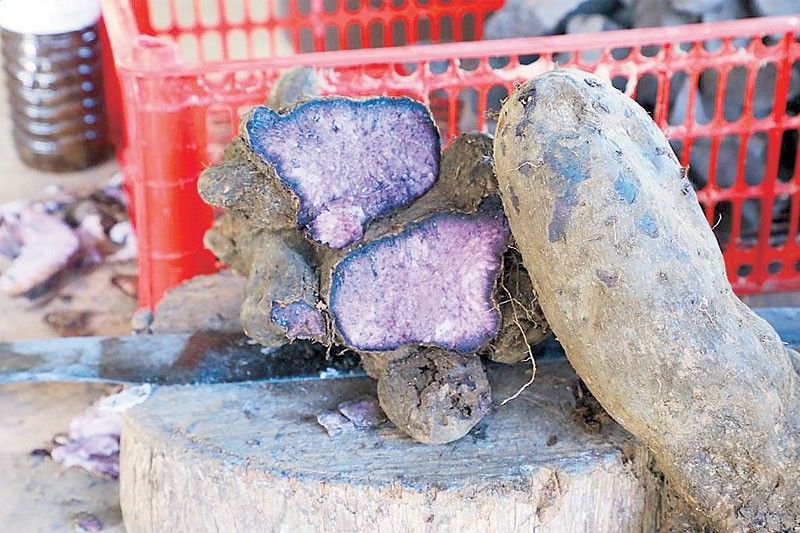
MANILA, Philippines — The Department of Agriculture (DA) is accelerating efforts to strengthen plant variety protection and intellectual property rights for the Philippines' native purple yam, 'ube,' amidst surging global demand. The Bureau of Plant Industry (BPI), a unit under the DA, through its National Seed Industry Council–Plant Variety Protection Office (NSIC-PVPO), convened stakeholders to reinforce the protection, conservation, utilization, and development of ube varieties. NSIC-PVPO announced ongoing initiatives to encourage the development and protection of improved ube varieties. The country currently recognizes eight registered ube varieties, with more set to enter the registry as breeding initiatives progress. Additionally, the DA’s Intellectual Property Management Office is preparing to secure certification marks from the Intellectual Property Office of the Philippines to safeguard Philippine branding and protect common names like 'ube.' During the meeting, strengthened collaboration among institutions involved in ube breeding, production, and conservation was called for. Stakeholders also highlighted the need for coordinated action on expanding available planting materials, improving production capacity, and enhancing access, utilization, and benefit-sharing on ube materials. Furthermore, increased investments in ube research and development were discussed. Participants noted the limited funding currently available for the sector, while emphasizing the importance of expanding support for production and research initiatives to sustain the industry’s growth. Experts stated that breeding programs must be responsive to consumer and market demands to improve the competitiveness of the country’s ube industry. Industry experts also emphasized the importance of tissue culture propagation in producing high-quality, disease-free planting materials, which could ensure the wider distribution of improved ube stocks. This initiative marks a crucial step in enhancing the Philippines' agricultural competitiveness and establishing its position in the international market. Ube has garnered global attention in recent years due to rising health consciousness and its expanding use in the food processing industry. Strengthening variety protection is essential for safeguarding the Philippines' indigenous agricultural products and increasing their added value.

多角的分析

経済的影響

フィリピン産ウベの国際市場での競争力強化は、農産物輸出の拡大を通じて外貨獲得に貢献する可能性がある。品種保護の強化は、高付加価値化を促し、農家の所得向上にも繋がる。しかし、研究開発への投資不足や生産資材へのアクセス改善といった課題が残っており、これらが克服されなければ、潜在的な経済効果は限定的になるだろう。特に、ウベの主要生産地域におけるインフラ整備や、中小規模農家への技術支援が鍵となる。

投資家心理

ウベ産業の成長ポテンシャルは、特に健康食品や自然派食品市場の拡大を背景に、投資家にとって魅力的である。品種保護の強化とブランド確立は、長期的な投資回収を可能にする安定した収益基盤を築く。しかし、研究開発への投資不足や、育種・生産における技術的課題は、投資リスクとなり得る。投資家は、政府の支援策、サプライチェーンの安定性、そして市場の需要動向を注視する必要がある。

社会的影響

ウベ品種の保護強化は、フィリピンの農業遺産を守り、地域コミュニティの経済的安定に寄与する可能性がある。しかし、現時点での品種登録が8つに留まることや、育種活動への資金不足は、小規模農家が改良品種の恩恵を受ける機会を制限するかもしれない。また、組織培養技術の普及は、高品質な苗の供給を増やす一方で、技術へのアクセス格差を生む可能性も指摘されている。ウベの利益配分メカニズムが、生産者全体に公平に行き渡るかが問われる。

市民の声

ウベの品種保護強化は、フィリピン国民にとって、自国の農産物が国際市場で正当に評価される機会を増やすことを意味する。これにより、ウベ関連製品の価格が安定したり、農家の収入が増加したりすることで、間接的に国民生活の向上に繋がる可能性がある。しかし、現状では、改良品種へのアクセスや、研究開発への投資が不足しているため、その恩恵が全国民、特に地方の小規模農家にまで広く行き渡るには、さらなる努力が必要である。ウベのブランド化が進むことで、フィリピンの食文化への誇りも高まることが期待される。

背景・歴史的文脈

ウベ(Dioscorea alata)は、フィリピンで古くから栽培され、食文化に深く根ざした作物である。近年、その鮮やかな紫色がもたらす抗酸化作用や、自然な甘みが健康志向の高まりとともに世界的に注目を集めている。これにより、アイスクリーム、ベーカリー製品、健康食品など、多様な用途での需要が拡大している。しかし、これまでフィリピン国内では、品種の特定や保護に関する法整備が遅れており、海外での無断栽培や品種改良による、フィリピン固有のウベのブランド価値低下が懸念されてきた。今回の取り組みは、こうした背景を踏まえ、フィリピンの農産物としてのウベの独自性を確立し、国際市場での競争力を高めるための政策的な対応と言える。

原文ソース

Philstar Business

原文を読む