General articles are free for 24 hours after publish.
Vietnam Seizes Over 1.2 Tons of Ivory and Big Cat Bones Hidden in Timber Shipment
Vietnamese authorities have seized over 1.2 tons of elephant ivory and approximately 79 kg of big cat bones hidden within a timber shipment originating from the Republic of Congo. Traffickers had hollowed out wooden crates and used wax to conceal the illicit cargo, attempting to evade inspections.
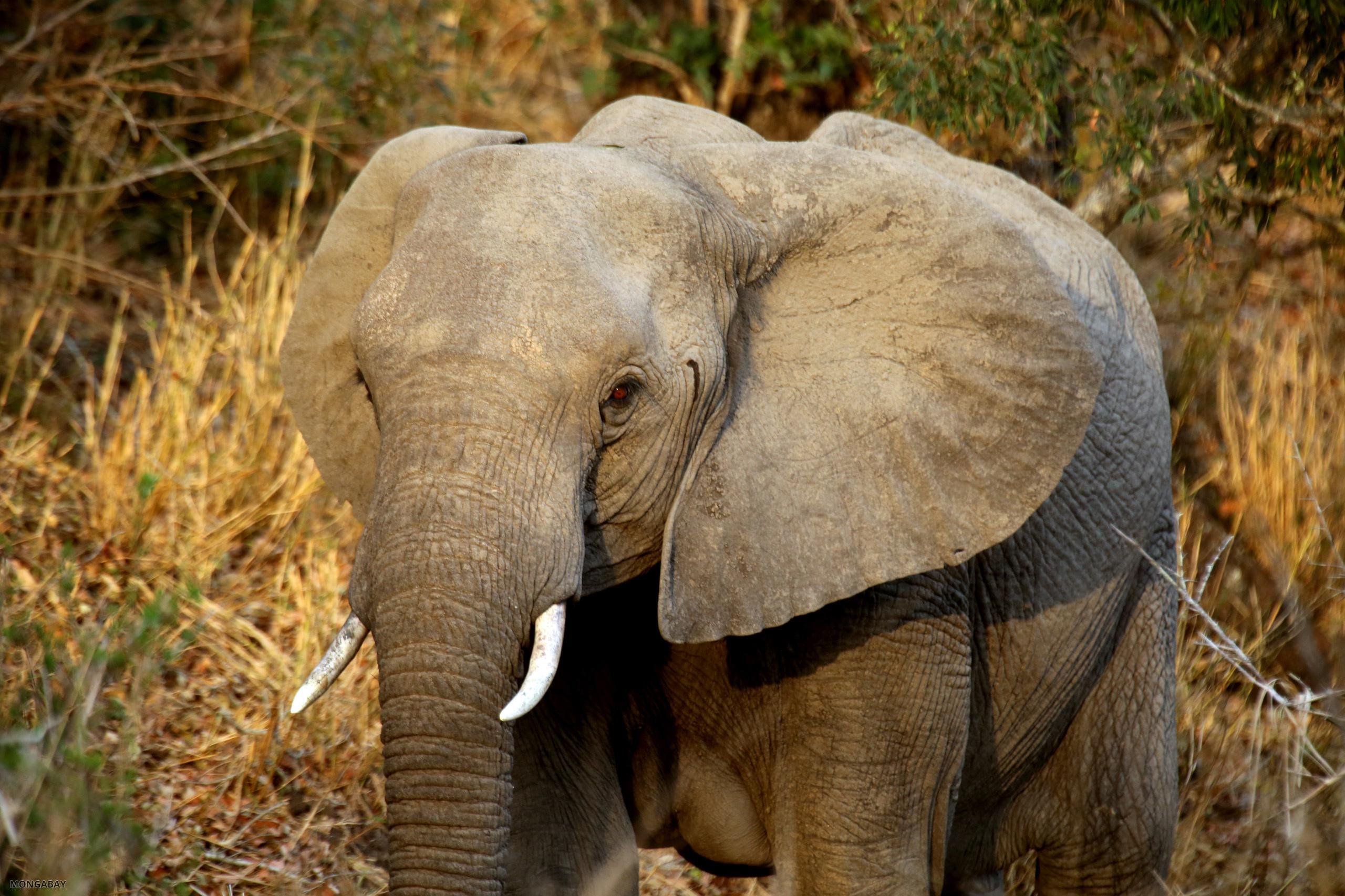
Authorities in Vietnam have intercepted over 1.2 tons of elephant ivory and approximately 79.3 kilograms of big cat bones hidden within a shipment of timber originating from the Republic of Congo. The seizure, made at Quy Nhon Port in central Vietnam, marks the largest of its kind at the regional port, according to local media. The shipment, declared as African sawn timber, arrived in July under the name of Thanh Cong Trading Services and Translation Joint Stock Company. Gia Lai provincial police reported that investigators used specialized scanning equipment to discover hidden compartments within 12 hollowed-out timber crates. Traffickers had packed the ivory and bones in wax and sealed them with wood to make the packages appear ordinary and bypass inspections. The Vietnam Academy of Science and Technology subsequently tested the ivory and bones, confirming their origin from elephants and big cats, respectively. Chris Shepherd, who campaigns against wildlife trafficking with the U.S.-based Center for Biological Diversity, told Mongabay that the massive seizure is a stark reminder of the persistent demand driving the illegal wildlife trade market. "For me, the red flag is that this is still continuing in Southeast Asia, as it has for decades, regardless of raised levels of awareness among governments and enforcement agencies, significant investment to build capacity to tackle the illegal trade, and most of all, the continuing decline in species in Southeast Asia and around the world," Shepherd stated. He noted that a shipment from Africa including big cat parts reflects a changing landscape as local species disappear. "As Southeast Asian cats, such as tigers and leopards, dwindle, cat parts are sought elsewhere," Shepherd said, adding that lion bones are heavily traded from African countries to Southeast Asia to meet the demand for traditional Asian medicine. While Shepherd applauded Vietnam's enforcement action, he also highlighted issues like corruption that continue to undermine conservation efforts. "Corruption is a major facilitator and enabler of wildlife trade," he said, emphasizing that governments need to invest heavily to dismantle the organized crime networks involved. Gia Lai provincial police have launched criminal proceedings and temporarily detained several suspects connected with the shipment. Since the mid-2000s, China and Vietnam have emerged as global hotspots for the illegal wildlife trade, with Africa being the prominent source of contraband, as previously reported by Mongabay.
Original source
Mongabay Vietnam