Mandaluyong blacklists supplier of underweight rice sacks
Politics
2026年7月14日
3
Inquirer NewsInfo

Mandaluyong blacklists supplier of underweight rice sacks

AI サマリー

A supplier for the national government's free rice distribution program in Mandaluyong City has been blacklisted by the local government after some rice sacks, supposed to contain 10 kilograms, were found to be underweight at only 8 kilograms. An investigation has been launched.

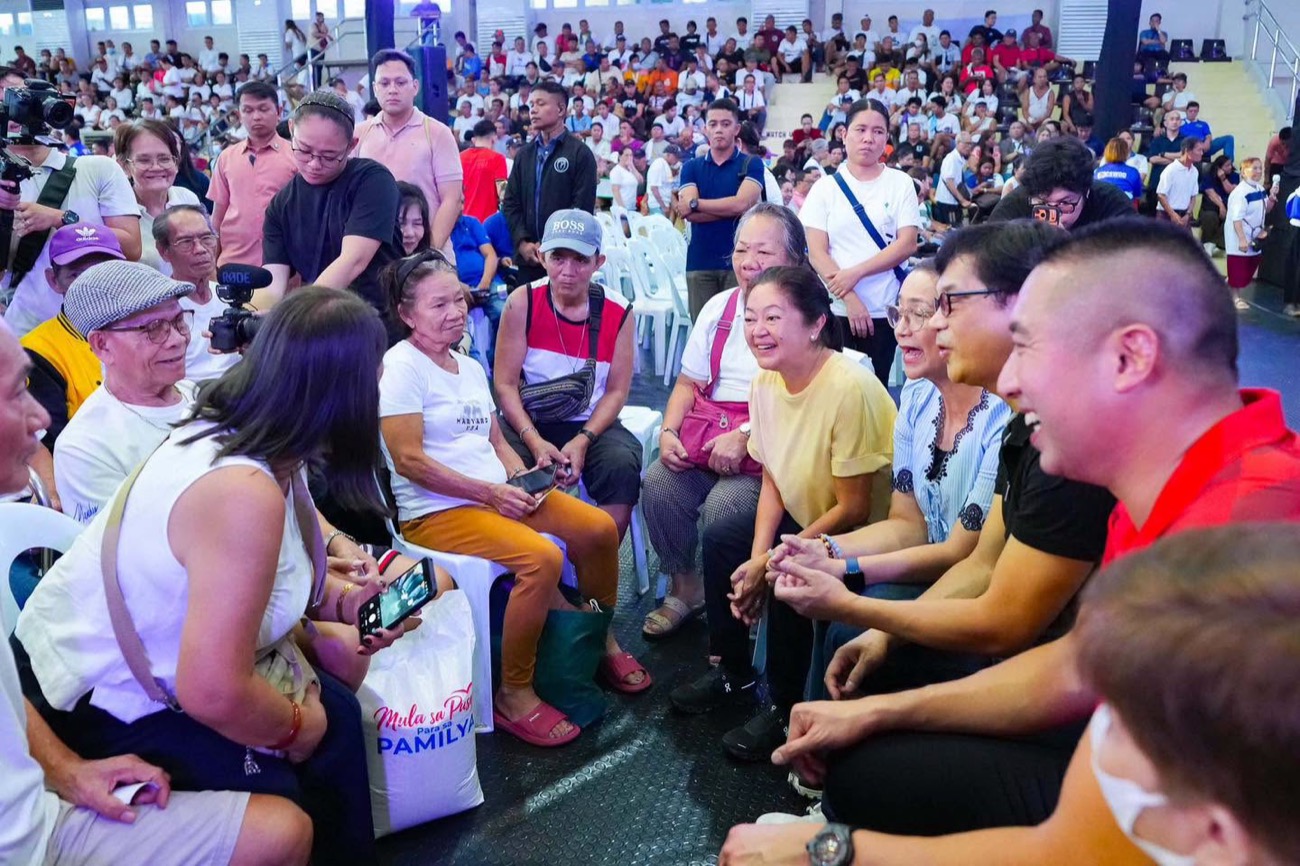
MANILA, Philippines — The supplier behind the national government’s free rice distribution program in Mandaluyong City has admitted that some sacks contained less than the supposed 10 kilos beneficiaries were supposed to receive, according to Malacañang. The local government has blacklisted the company, which it did not disclose, and launched an investigation into the matter. Palace press officer Claire Castro on Monday said President Ferdinand Marcos Jr. does not condone any shortchanging of beneficiaries under the national government’s assistance programs. “This is certainly not something the President would want. Whatever is supposed to be given to the people should be given in full,” she added. The issue surfaced after some beneficiaries of the rice distribution program complained that sacks labeled as containing 10 kilos were short by 2 kilos, weighing only 8 kilos. According to information provided to Malacañang, around 29,500 rice sacks, each weighing 10 kilograms, were distributed. However, an estimated 50 sacks were found to be underweight. The supplier has acknowledged the error and apologized to the Mandaluyong local government, Castro said. She added the supplier committed to providing beneficiaries who received the 8-kilo rice sacks with an additional full 10-kilogram sack of rice, and the original underweight sacks of rice would not be retrieved. “The local government has also decided to blacklist the supplier and has begun an investigation into the incident,” Castro said. Newly appointed Cabinet Secretary Benhur Abalos Jr. joined First Lady Liza Araneta-Marcos in distributing free rice to 3,100 beneficiaries in Mandaluyong on July 10. The rice assistance, under the “Mula sa Puso, Para sa Pamilya” initiative is being carried out nationwide and is part of the Office of the President’s continuing assistance program for vulnerable sectors. It is funded through President Marcos’ “Bawat Bayan Makikinabang” program under the Local Government Support Fund (LGSF). The LGSF is a financial program that assists local government units in various programs and services. The 2026 national budget has the largest LGSF allocation in history at P57.872 billion. The item includes the Financial Assistance to LGUs (FALGU) amounting to P37.492 billion, of which half of is allotted for the nationwide rice distribution program for identified families to receive 10 kilograms of rice for six months every year.

多角的分析

経済的影響

今回の不足米配布問題は、政府の食料支援プログラムにおけるサプライチェーンの信頼性に関わる。本来10キログラムであるべき米袋が8キログラムしか入っていなかったことは、単なる計量ミス以上の問題を示唆しており、コスト削減のための意図的な不正、あるいは品質管理体制の欠陥が疑われる。これは、政府の食料安全保障政策の実行能力に疑問符を投げかけ、インフレ下で生活必需品の値上がりに苦しむ国民の不信感を増幅させる可能性がある。今後の調査で、不正の規模や原因が明らかになれば、同様の支援プログラムにおける価格設定や契約プロセスへの影響も考えられる。

投資家心理

政府の社会福祉プログラムにおける供給業者の不正は、投資家にとってリスク要因となる。特に、食料品や生活必需品を扱うサプライヤーは、政府の調達契約に大きく依存している場合が多い。今回のケースは、契約履行における倫理観や管理体制の甘さを示唆しており、他の供給業者も同様の問題を抱えている可能性を示唆する。これにより、政府はサプライヤー選定基準を厳格化する可能性があり、新規参入や既存の小規模サプライヤーにとっては参入障壁が高まるかもしれない。また、政府の食料支援プログラム全体への信頼低下は、関連産業への投資意欲を減退させる要因となりうる。

社会的影響

マンダルーヨン市で発生した不足米配布問題は、政府の食料支援プログラムの受益者である脆弱層の生活に直接的な影響を与える。本来受け取るべき食料が不足することは、日々の食事を確保する上で大きな打撃となる。特に、経済的に困窮している人々にとって、わずかな量の食料不足も家計を圧迫する要因となりうる。また、このような不正行為は、政府や公的機関への信頼を損ない、社会的な不満を高める。受益者である住民は、支援が公平かつ誠実に行われることを期待しており、今回の件は彼らの不安を増大させる。

市民の声

今回の不足米配布問題は、生活必需品である米の配布において、約束された量が守られなかったという点で、国民の日常生活に直結する問題である。特に、政府の食料支援に頼っている人々にとっては、受け取るはずの食料が減ることは、日々の食事の計画に影響を与える。マンダルーヨン市の住民は、自分たちが受け取るべきものが正しく届けられていないことに憤りを感じているだろう。これは、政府の支援策に対する不信感を生み、今後の同様の支援プログラムへの参加意欲を削ぐ可能性がある。市民は、公平で透明性のある支援を求めている。

背景・歴史的文脈

フィリピンでは、貧困層への食料支援は長年にわたり重要な政策課題となっている。特に、米は国民の主食であり、その安定供給は社会の安定に不可欠である。過去にも、食料配布における不正や非効率性が指摘されてきた。マルコス政権は、国民の生活を支援するため、様々な福祉プログラムを拡充しており、その財源として地方政府支援基金(LGSF)を活用している。LGSFは、地方自治体のインフラ整備やサービス提供を支援するが、その執行における透明性や監督体制が常に問われている。今回の不足米配布問題は、こうした既存の課題が、現在の政権下でも露呈した形と言える。

原文ソース

Inquirer NewsInfo

原文を読む