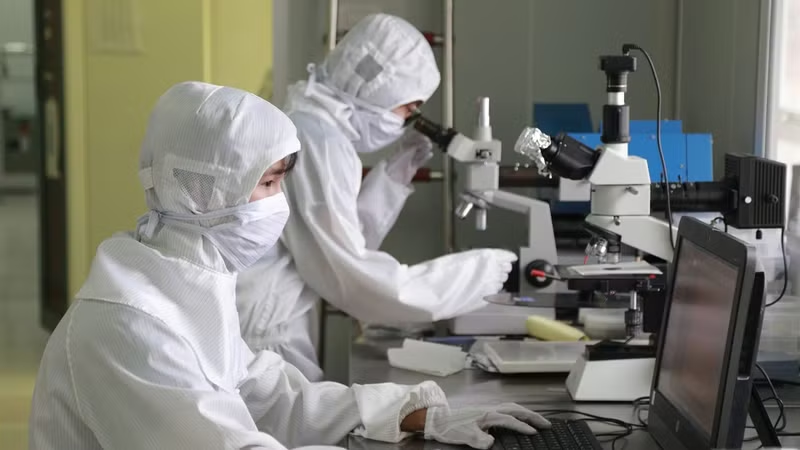
Vietnam Strengthens National Autonomy Through Basic Science Promotion
Politics
2026年7月12日
4
Nhan Dan
Relations
🇻🇳Vietnam🇨🇳China

Vietnam Strengthens National Autonomy Through Basic Science Promotion

AI サマリー

Vietnam positions basic science as the foundation for national autonomy and core technologies in global tech competition, aiming to deepen its research ecosystem. Scholarships will be awarded for 111 training programs in basic science, key engineering, and strategic technologies.

In an increasingly competitive global technological landscape, Vietnam is elevating the importance of basic science, positioning it as the bedrock for national autonomy and the development of core technologies. Consequently, the Vietnamese government recognizes the urgent need to deepen its research ecosystem to effectively transform scientific knowledge into genuine competitive strength. Specifically, it has been announced that scholarships will be provided for 111 training programs (ngành đào tạo) in the fields of basic science, key engineering, and strategic technologies. This initiative serves as a strong impetus for nurturing future talent who will drive innovation and technological advancement. Basic science is the wellspring of innovation and forms the very foundation of a nation's scientific and technological prowess. By strengthening investment in this area, Vietnam aims to reduce its technological dependence on other countries and enhance its indigenous technological development capabilities. This is a strategic endeavor to ensure national autonomy, particularly amidst rising geopolitical tensions. Businesses are also being encouraged to engage in basic science research. Investment in research and development is deemed indispensable for maintaining and improving long-term competitiveness, with a growing recognition that companies enhancing their R&D capabilities contribute to the overall technological advancement of the nation. Furthermore, the field of policy science demands both academic rigor and a sense of national responsibility. This signifies the strengthening of policy formulation based on scientific evidence and the capacity to address national challenges during implementation. Under Vietnam's one-party system, an environment conducive to state-led science and technology policies is fostered. This focus on basic science can be seen as an expression of Vietnam's determination to transition from being merely a manufacturing hub to a nation with advanced technological development capabilities, as it continues its economic growth. In particular, enhancing technological self-reliance in its relationship with China could broaden Vietnam's strategic options in diplomacy and security. Information Source: Nhan Dan

多角的分析

経済的影響

ベトナム政府は、基礎科学への投資を強化し、研究エコシステムを深化させることで、長期的な経済成長の持続可能性を高めようとしている。これは、単なる低コスト労働力に依存した製造業中心の経済モデルから、高付加価値産業、特に科学技術集約型産業への転換を目指す戦略の一環である。111の教育課程への奨学金提供は、将来のイノベーションを担う人材への直接的な投資であり、経済の質的向上に繋がる可能性がある。しかし、基礎科学の研究成果が商業的な応用へと結びつくまでのタイムラグや、研究開発への継続的な資金投入、そして研究者の育成・維持といった課題も存在する。

投資家心理

基礎科学への注力は、ベトナムの長期的な技術革新能力と経済の自律性向上を示唆しており、これは将来的な投資環境の安定化に寄与しうる。特に、ハイテク産業や研究開発型企業への投資機会が増加する可能性がある。しかし、短期的な投資リターンに直結するものではないため、投資家は研究開発への政府・企業のコミットメントの持続性、そして科学的成果がどのように商業化され、市場競争力に結びつくかを慎重に見極める必要がある。また、知的財産権の保護や、研究開発人材の獲得競争といったリスクも考慮すべき点である。

社会的影響

基礎科学の振興は、ベトナム社会全体の教育水準向上と、より高度な知識基盤社会への移行を促進する。111の教育課程への奨学金は、経済的背景に関わらず優秀な学生が科学分野に進む機会を広げ、社会的な流動性を高める可能性を秘めている。しかし、地方と都市部、あるいは異なる社会階層間での教育機会の格差が、この恩恵を均等に享受できるかどうかの課題となる。また、基礎科学研究が社会全体の利益にどのように還元されるか、その透明性と公平性が問われることになる。

市民の声

基礎科学への投資強化は、将来的にベトナム市民がより高度な技術やサービスに触れる機会を増やす可能性がある。特に、奨学金制度は、優秀な若者が科学分野でキャリアを築くための道を開く。しかし、現時点での市民生活への直接的な影響は限定的かもしれない。むしろ、研究開発の成果が、より質の高い製品やサービス、あるいは環境改善といった形で間接的に恩恵をもたらすことが期待される。一方で、研究開発に携わる人材の獲得競争が激化し、特定の専門分野での人材不足が、他の分野のサービス低下に繋がる可能性も考えられる。

背景・歴史的文脈

ベトナムは、1986年のドイモイ政策以降、市場経済化と国際社会への開放を進め、目覚ましい経済成長を遂げてきた。この成長は主に、外国からの直接投資と、安価な労働力を活用した製造業に牽引されてきた。しかし、近年、グローバルなサプライチェーンの再編や、技術革新の加速に伴い、より高度な技術開発能力と経済の自律性を高める必要性が浮上している。特に、中国との経済的・地政学的な関係において、技術的な依存度を低減することは、国家戦略上の重要な課題となっている。基礎科学への投資強化は、こうした背景を踏まえ、ベトナムが製造業中心から脱却し、イノベーション主導型経済へと移行するための長期的な取り組みの一環である。

原文ソース

Nhan Dan

原文を読む