General articles are free for 24 hours after publish.
Philippines' BOP Deficit Narrows in August Amid Middle East Volatility
The Philippines' balance of payments (BOP) deficit narrowed to $596 million in August, down from the same period last year, despite ongoing Middle East volatility. Resilient inflows, particularly remittances, likely helped offset outflows.
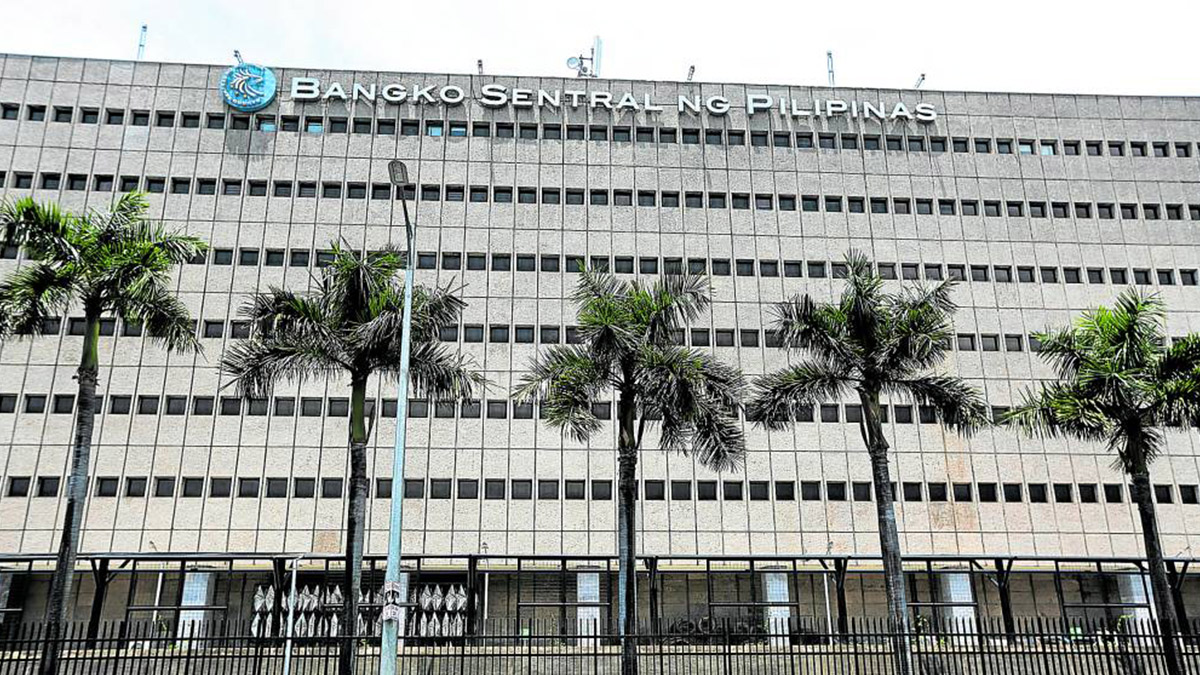
MANILA, Philippines — The Philippines’ dollar deficit narrowed in August despite continued volatility tied to the Middle East conflict, as resilient inflows from key sources like remittances may have helped offset the outflows. The country’s balance of payments (BOP), a broad measure of money flowing into and out of the economy, registered a deficit of $596 million. This marks an improvement from the same period last year, showcasing the economy’s resilience amidst growing global uncertainties. The narrowing deficit is largely attributed to sustained robust inflows, particularly from remittances sent by Overseas Filipino Workers (OFWs). Remittances are a crucial source of foreign exchange for the Philippine economy, playing a vital role in its stability. Even amidst regional tensions, inflows from OFWs in the Middle East appear to have remained relatively stable, contributing significantly to the BOP performance. The government and the Bangko Sentral ng Pilipinas (BSP) have consistently highlighted the importance of these remittances in cushioning the economy against external shocks. However, the prolonged Middle East conflict and escalating geopolitical risks pose potential threats to the Philippine economy. A surge in oil prices and disruptions to supply chains could increase import costs, thereby exacerbating inflationary pressures and negatively impacting the BOP. The country’s reliance on imported oil makes it particularly vulnerable to global price fluctuations. Philippine authorities are closely monitoring these risks and continuing to implement policies aimed at stabilizing the economy. Ensuring the safety of OFWs and maintaining remittance channels are paramount for both the livelihoods of Filipinos and the overall economic health of the nation. The central bank has indicated its readiness to intervene in the foreign exchange market if necessary to manage excessive volatility.
Original source
Inquirer Business