General articles are free for 24 hours after publish.
California Declares State of Emergency Over El Niño, Potential Impact on Vietnamese Diaspora
California has declared a state of emergency across the state to prepare for El Niño, which is predicted to be one of the strongest on record. The move allows for faster resource deployment and enhanced flood control measures as the state braces for potential storms and coastal flooding. The specific impact on the Vietnamese-American community remains to be seen.
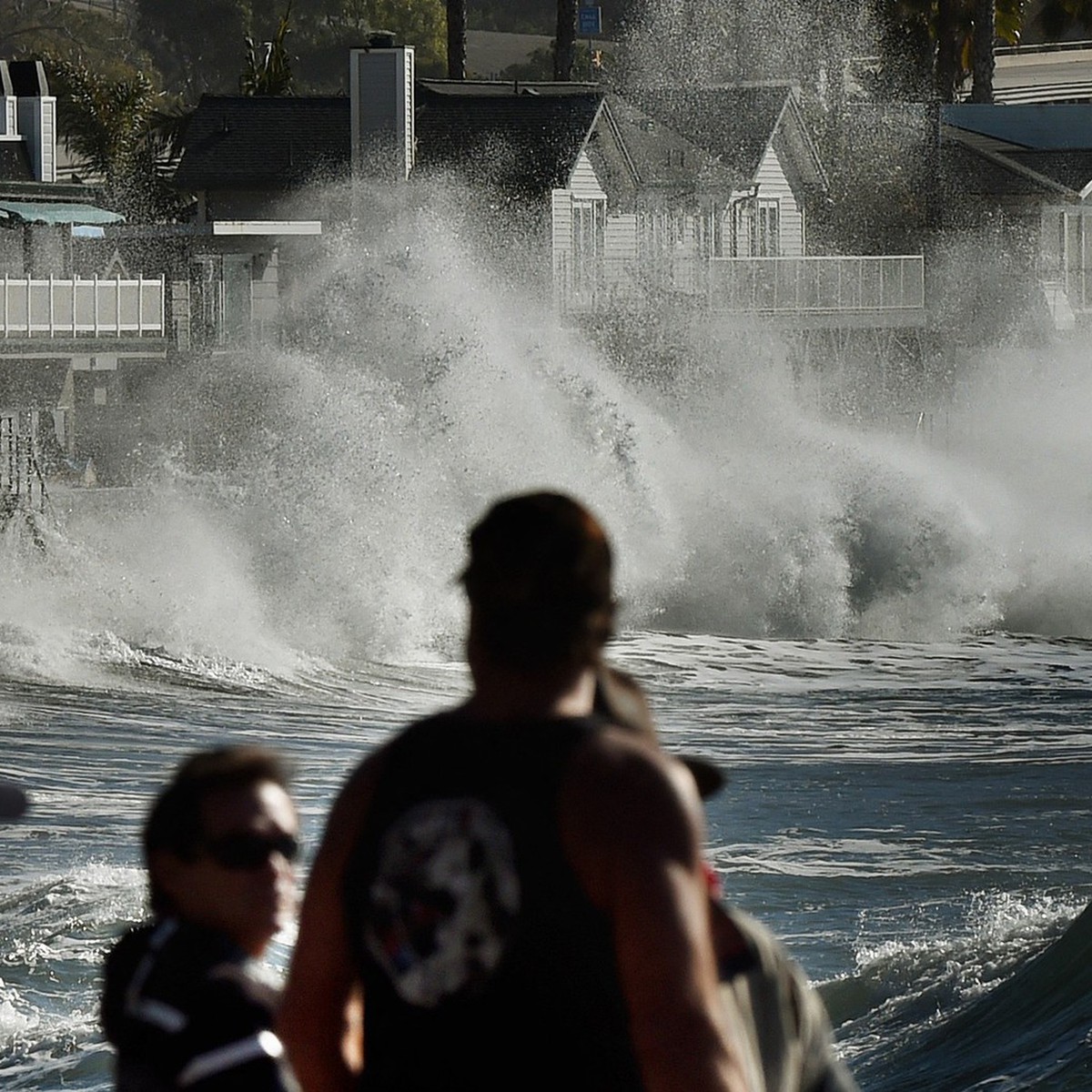
California has declared a state of emergency across the entire state to prepare for El Niño, a weather phenomenon that is anticipated to be one of the strongest ever recorded. The declaration aims to enable the state to rapidly deploy resources and bolster preparedness measures in anticipation of a potential series of strong storms and increased flood risks along the West Coast. Governor Gavin Newsom stated, "We will prepare early for this El Niño, because the people of California deserve to be safe in their homes and protected when extreme weather strikes." He emphasized the importance of proactive measures rather than waiting for disasters to occur. The state of emergency is largely procedural, granting state agencies quicker access to resources and allowing for the pre-deployment of flood control equipment such as sandbags and pumps. The California National Guard has also been placed on standby to assist with flood response, search and rescue operations, and logistical support. Forecasters warn that El Niño could bring powerful storms in the coming months, with higher-than-normal tides exacerbating the risk of coastal flooding. The California coast has experienced significant storm damage in recent times, with homes being damaged or destroyed. El Niño is characterized by an unusual warming of surface waters in the tropical Pacific Ocean, typically occurring every two to seven years. This shift can impact weather patterns globally, leading to drier conditions in some regions and heavier rainfall in others. Climate change is believed to be intensifying the impacts of El Niño, as a warmer atmosphere can hold more moisture, potentially leading to more extreme rainfall events. According to the U.S. National Oceanic and Atmospheric Administration (NOAA), there is a 75% chance that this year's El Niño will be one of the strongest on record, with its peak expected between October and December. Climate scientists note that the current sea surface temperature anomaly in the tropical Pacific is comparable to that of the 2015-2016 El Niño, one of the strongest recorded. The "unprecedented" weather pattern in the Pacific is projected to have global ramifications, increasing the risk of severe droughts in many areas. While the immediate focus is on California's preparedness, the broader implications of El Niño on global weather patterns and economies, including those in Southeast Asia, warrant continued monitoring.
Original source
The Saigon Times