General articles are free for 24 hours after publish.
Thailand Accelerates LNG Sourcing Amidst Soaring Energy Prices
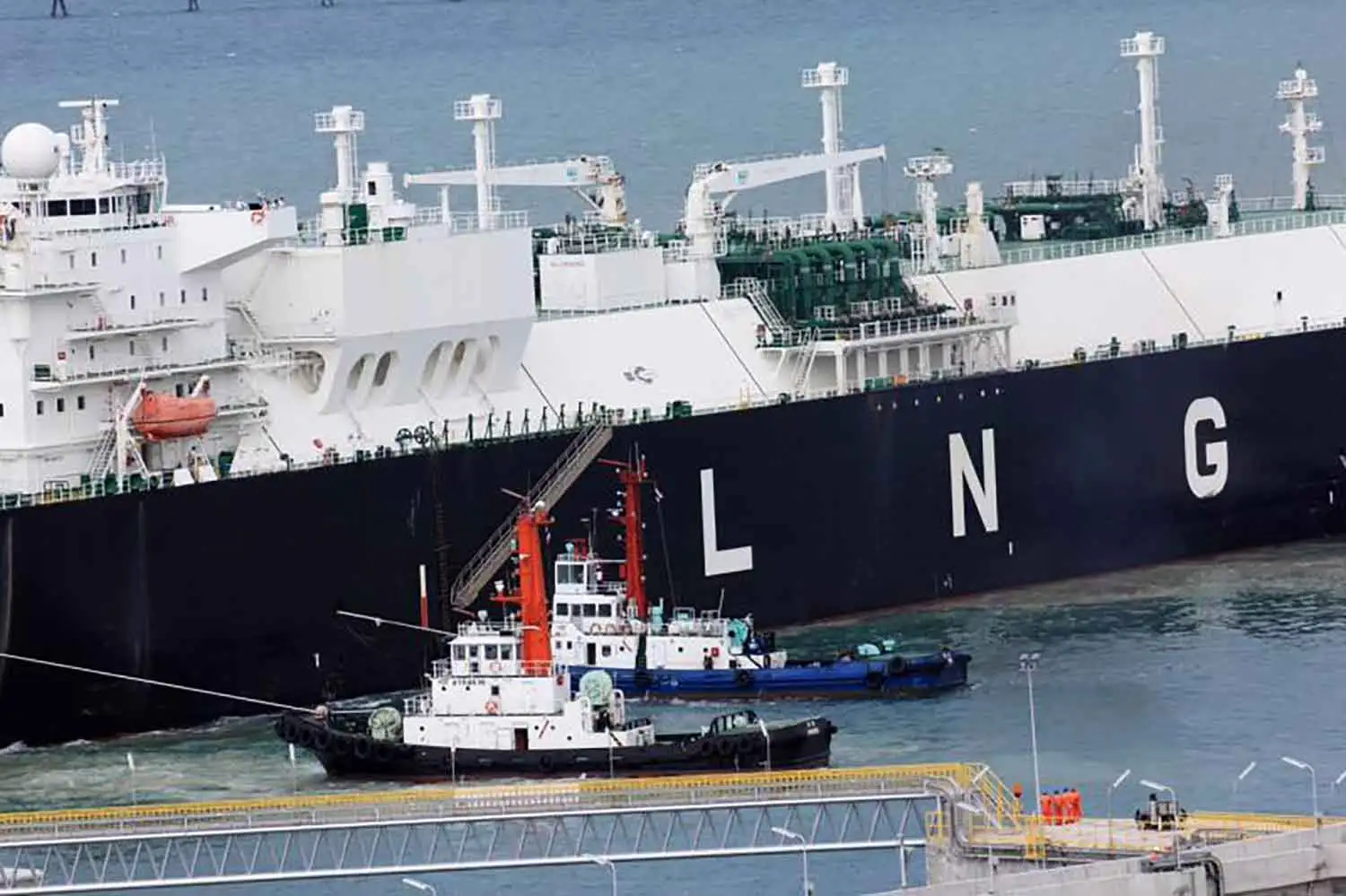
Thailand is rapidly accelerating its efforts to secure liquefied natural gas (LNG) from North America in response to surging global crude oil and LNG prices. With natural gas powering over 60% of its electricity, the nation aims to reduce vulnerability to geopolitical risks and supply disruptions, ensuring energy security and stable domestic prices.
Home - Business - Thailand Speeds Up LNG Sourcing as Gas Prices Spike Last Updated on September 17, 2026 by Jeff Tomas BANGKOK – Thailand is rapidly accelerating its efforts to secure new energy sources from North America. Global crude oil prices have suddenly blasted past the US$100 per barrel mark. At the exact same time, spot prices for liquefied natural gas (LNG) have nearly doubled. Rising seasonal demand and ongoing geopolitical turmoil are driving this massive spike in global energy costs. State-owned energy giant PTT is actively leading the charge to find reliable market alternatives. The country currently buys about half of its LNG on the highly volatile spot market. This heavy reliance makes the nation dangerously vulnerable to sudden international supply shocks. To protect its national energy grid, Thailand is urgently looking toward the United States and Canada. The recent escalation of military conflicts in the Middle East has heavily disrupted traditional trade routes. The sudden closure of the Strait of Hormuz completely blocked shipments from major suppliers like Qatar. This unexpected blockage sent massive shockwaves through the entire Asian energy market. Thailand was immediately forced to boost its imports from the United States to cover the shortfall. Energy officials clearly know they cannot rely on a single region for their fuel needs. “We are not just relying on any one supplier, we still look to explore the possibilities,” a PTT executive recently noted at a major industry event. By aggressively expanding their supplier network, energy leaders hope to prevent future blackouts and stabilize domestic utility prices. Natural gas currently powers more than 60 percent of Thailand’s total electricity generation output. Because domestic gas production is slowly declining, the nation must import more fuel every single year. Without a steady and reliable supply of LNG, everyday consumers and large factories would face crippling bills. In fact, experts warn that every $3 increase in LNG prices raises local power rates by five percent. Relying so heavily on global spot markets is a massive and risky gamble during times of war. When international tensions flare up unexpectedly, spot energy prices can easily jump overnight. By contrast, signing long-term contracts offers a much safer financial net against unpredictable global events. Thailand is now actively seeking joint co-purchase agreements with regional partners to lock in better shipping rates. Southeast Asia’s absolute largest LNG importer is also exploring safe options far beyond North America. West Africa and the nation of Oman are now firmly on the radar for future bulk shipments. Oman is especially attractive right now because its shipping ports sit safely outside the highly contested Strait of Hormuz. Diversifying these critical shipping lanes is now a vital matter of national security. The United States has already stepped up as a highly crucial energy partner for Thailand this year. American LNG exports successfully helped keep Thai power plants running when Middle Eastern shipping routes abruptly shut down. Now, energy giant PTT is looking much further north to secure even more fuel. Both Canada and Mexico are being seriously evaluated as strong, long-term supply partners. Expanding this vast global network requires massive capital investments in local physical infrastructure. PTT officially plans to increase its total LNG import capacity from 19 million to 27 million tons annually. This massive logistical upgrade will carefully unfold over the next three consecutive years. A larger storage network allows the country to buy cheap gas when prices dip and store it for peak seasons. Building new receiving terminals also firmly helps position Thailand as a major regional energy hub. As the developing country buys more gas from North America, it can smoothly optimize its own trade routes. The ultimate goal is to grow overall LNG demand to roughly 10 million tons by 2030. This forward-looking strategy perfectly aligns with broader national efforts to transition toward cleaner energy sources. High energy prices directly and painfully impact the daily wallets of everyday Thai citizens. The Thai government has already spent billions of baht to shield the public from skyrocketing monthly utility bills. State energy companies are also working incredibly hard to maintain current domestic gas production levels. Every single drop of local gas firmly helps offset the rising cost of expensive imported fuels. Partnering with reliable North American producers brings much-needed price stability to the domestic market. The US LNG supply chain is incredibly vast and largely isolated from ongoing Middle Eastern conflicts. This inherent reliability gives Thai policymakers the vital breathing room they desperately need to plan for the future. Securing these steady fuel contracts is the critical first step toward ensuring long-term economic growth. Moving forward, Thailand must carefully balance its immediate energy needs with a long-term green transition. While natural gas remains absolutely critical today, the growing nation is slowly expanding its renewable energy capacity. Until green energy can reliably carry the entire baseload, securing stable LNG imports remains the ultimate top priority. North America will undoubtedly play a starring role in securely powering Thailand’s economic future.
Original source
Chiang Rai Times