General articles are free for 24 hours after publish.
Indonesia Releases Snakes into Rice Fields to Control Rat Population, Raising Questions of Effectiveness and Farmer Safety
In Indramayu, West Java, Indonesia, 200 non-venomous snakes were released into rice fields as a measure against rat infestations. The initiative aims to restore the ecosystem and provide a safer pest control method, but its effectiveness and impact on farmers are being questioned.
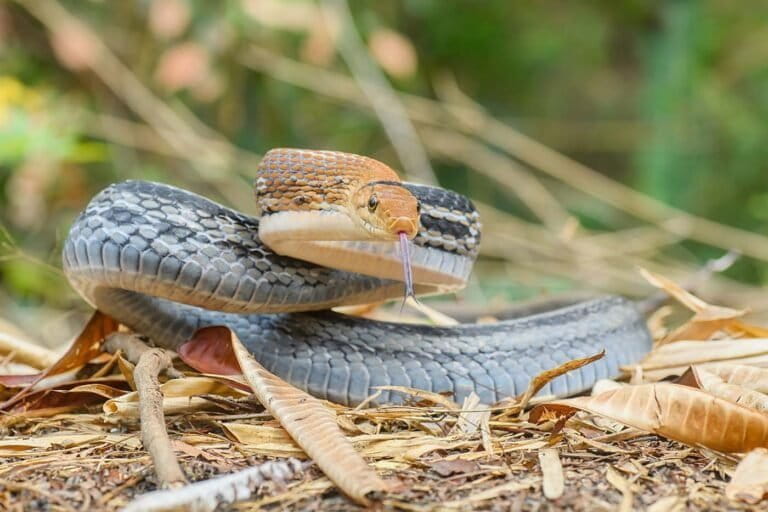
In Indramayu, West Java, Indonesia, a program has been initiated to release 200 non-venomous snakes into rice fields as a measure against rat infestations, a persistent threat to paddy cultivation. This initiative, dubbed "Ular Sahabat Tani" (Snakes are Farmers' Friends), aims to restore natural predators and provide a safer alternative to conventional pest control methods. Rats can cause significant damage to crops from the early stages of planting, increasing the risk of crop failure. Indramayu Regency has previously faced widespread rat problems, leading farmers to employ various control methods including poison, fumigation, mass culling, and electric traps. However, some of these methods have proven to be either ineffective or dangerous, with electric traps even causing fatalities. The program, a collaboration between the Indramayu Regency government, prominent social media figure Panji Petualang, and other social media activists, saw the release of 200 snakes on August 8, 2025. The species released include Ptyas mucosa (Ular Jali), Ptyas korros (Ular Koros), and Coelognathus radiatus (Ular Lanang Sapi). These species are non-venomous and are native to the local ecosystem, also preying on birds and frogs. While the presence of snakes in rice fields is not new, their populations have declined due to habitat changes and human persecution. The absence of natural predators allows rat populations to thrive in monoculture agricultural areas that offer abundant food. Amir Hamidy, a herpetologist from the National Research and Innovation Agency (BRIN), explained that only about five percent of terrestrial snakes in Java are venomous. He noted that the rat snakes released in Indramayu generally avoid human contact and do not attack unless provoked. Biologically, snakes can be effective rat controllers. For instance, Ptyas mucosa is capable of consuming up to 12 rats per day. The long-term effectiveness and the farmers' acceptance of this method will require further evaluation and community engagement.
Original source
Mongabay Indonesia