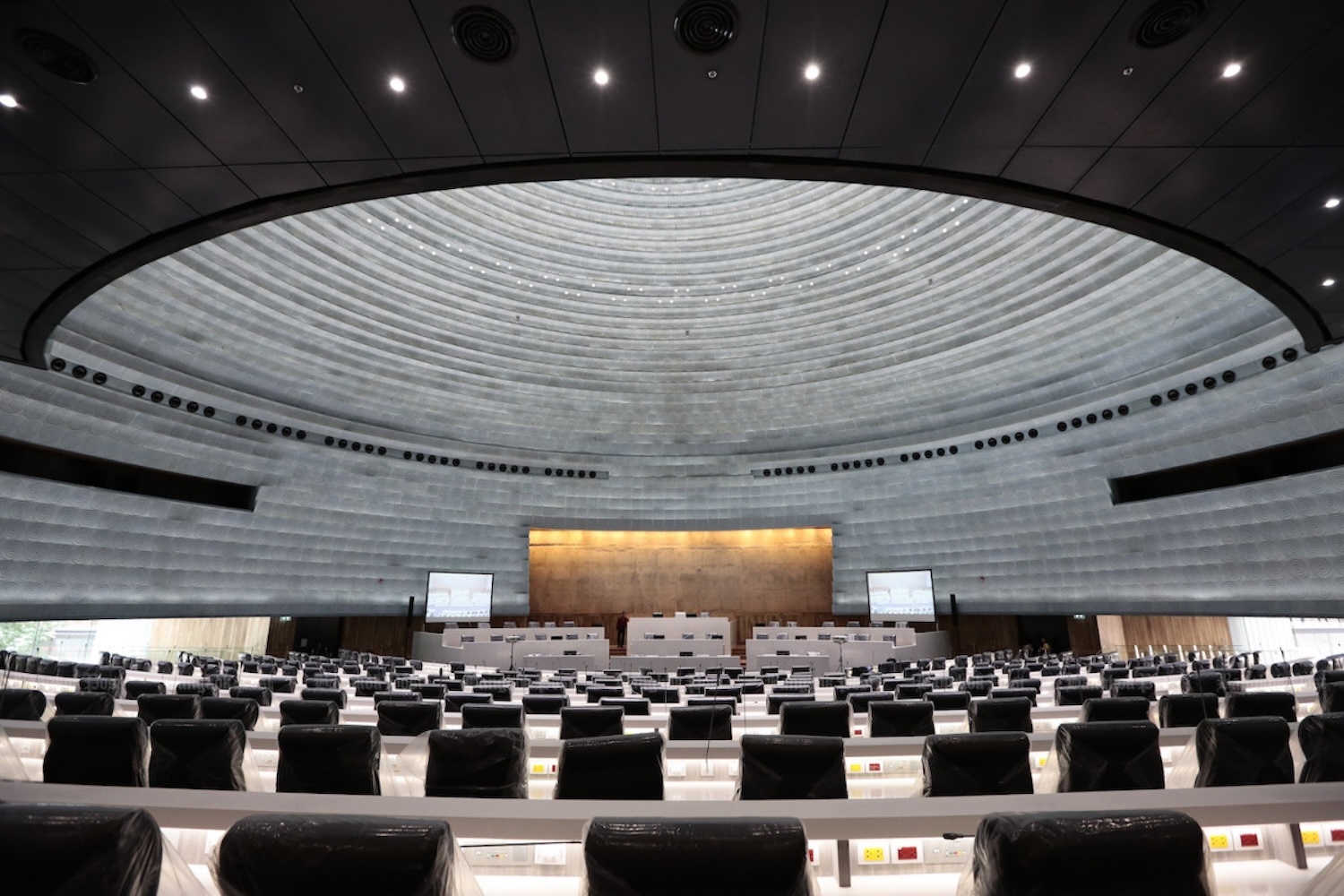
Thai Senate Approves Amnesty Bill, Excluding Lese-Majeste Offenders
Politics
2026年6月30日
5
Bangkok Post

Thai Senate Approves Amnesty Bill, Excluding Lese-Majeste Offenders

AI サマリー

The Thai Senate has passed a controversial political amnesty bill covering offenses linked to political conflicts, but explicitly excludes lese-majeste offenders of all ages. The bill will now return to the House of Representatives for further consideration.

The Senate on Tuesday approved a controversial political amnesty bill that would cover offenses linked to political conflicts across all factions, while explicitly excluding lese-majeste offenders regardless of their age. The bill, formally titled the Peaceful Society Promotion Bill, would cover politically linked offenses committed between Jan 1, 2005, and July 16, 2025. It passed its second and third readings by 103 votes to three, with 22 abstentions. As senators amended the version previously approved by the House of Representatives, it will now be returned to the lower house for further consideration. A Senate committee, chaired by Chatthawat Saengphet, made several changes to the bill, including a provision that bars offenders charged under Section 112 of the Criminal Code, the lese-majeste law, from being eligible for the case-termination process if they were 18 years old or older when the offense was committed, even if they later expressed remorse. Senators also added wording to state that Section 112 offenders under the age of 18 would also be ineligible for the case-termination process. However, courts and prosecutors would have discretion to offer rehabilitation or special measures for juveniles charged with other political offenses. Sen Paophan Chobnamtan, a committee member, explained that the process would utilize measures under the Juvenile and Family Court Act. If no charges have been filed, the case will be terminated; if a case has already been filed in court, judgment will be suspended subject to two conditions: the offender must show remorse, and they must comply with a rehabilitation plan. The committee also revised the bill’s preamble, expanded the powers of the proposed Peaceful Society Promotion Committee to request not only documents but also physical evidence, and clarified that its reports would be submitted separately to the House and Senate. Members acting in good faith would also receive legal protection. During the debate, some senators questioned whether the bill’s annex, which lists 29 laws covered by the amnesty, could benefit those accused of election-related offenses, particularly cases involving the selection of senators. Committee secretary Senator Phisit Apiwatthanaphong insisted the concerns were unfounded, saying the annex had merely been reorganised without altering its substance. He stressed that offenses involving election fraud, unfair elections or false qualifications were specifically excluded, meaning the bill would not provide amnesty in ongoing Senate collusion or election-related cases, which remain under investigation by the Election Commission. The Senate also endorsed a committee recommendation that, where politically related offenders are excluded from the amnesty, the Peaceful Society Promotion Committee should consider proposing alternative measures on sentence administration or detention arrangements to the justice minister and the Department of Corrections. The recommendation aims to promote national reconciliation while respecting human rights and democratic principles.

多角的分析

経済的影響

恩赦法案の経済的影響は間接的だが、政治的安定性の向上は投資家心理にプラスに働く可能性がある。特に、過去の政治的混乱で事業活動が制約された分野や、恩赦対象となる可能性のある経済犯罪(ただし、不敬罪は除外)に関連する企業にとっては、不確実性の軽減が期待できる。しかし、法案の修正や今後の下院での動向によっては、予期せぬ経済的影響が生じる可能性も否定できない。

投資家心理

投資家にとって、この恩赦法案は政治的リスクの軽減要因となりうる。特に、長期にわたる政治的緊張がタイへの投資を躊躇させていた海外投資家にとっては、国内の安定化への一歩と捉えられる可能性がある。ただし、不敬罪の除外は、タイの政治におけるセンシティブな問題が依然として残ることを示唆しており、一部の投資家は警戒を続けるだろう。法案の最終的な内容と施行状況が、今後の投資判断に影響を与える。

社会的影響

この法案は、タイ社会における分断の深さを浮き彫りにしている。不敬罪(刑法112条)の対象者を年齢に関わらず除外する措置は、この法律が依然として強力な政治的・社会的な影響力を持つことを示している。一方で、他の政治的犯罪の対象者、特に未成年者に対して更生措置を検討する余地を残したことは、社会復帰と和解への一歩と見なせる。しかし、恩赦の範囲や対象者選定における透明性、公平性に対する市民の懸念は依然として残るだろう。

市民の声

恩赦法案の可決は、多くのタイ国民にとって複雑な感情をもたらすだろう。政治的対立の犠牲となった人々やその家族は、和解と社会復帰の可能性に希望を見出すかもしれない。しかし、不敬罪の対象者が除外されたことは、一部の市民団体や人権擁護者から批判を浴びる可能性がある。また、選挙関連犯罪が除外されたことで、選挙の公正性に対する懸念が払拭されない可能性もある。一般市民は、この法案が真の国民和解に繋がるのか、それとも新たな対立の火種となるのかを注視していくことになる。

背景・歴史的文脈

タイにおける政治的恩赦は、過去の政治的混乱を清算し、国民和解を図るための手段として度々議論されてきた。特に2006年のクーデター以降、政治的対立が激化し、多数の政治犯が発生したことが背景にある。2014年のクーデター後も同様の状況が続き、政治的関連犯罪に対する恩赦の必要性が叫ばれてきた。しかし、不敬罪(刑法112条)は、タイ社会における最も敏感な政治的・社会的問題の一つであり、その適用範囲や恩赦対象からの除外は、常に議論の的となってきた。今回の法案は、これらの複雑な政治的・社会的な背景を踏まえ、上院の慎重な判断を経て可決されたものである。

原文ソース

Bangkok Post

原文を読む