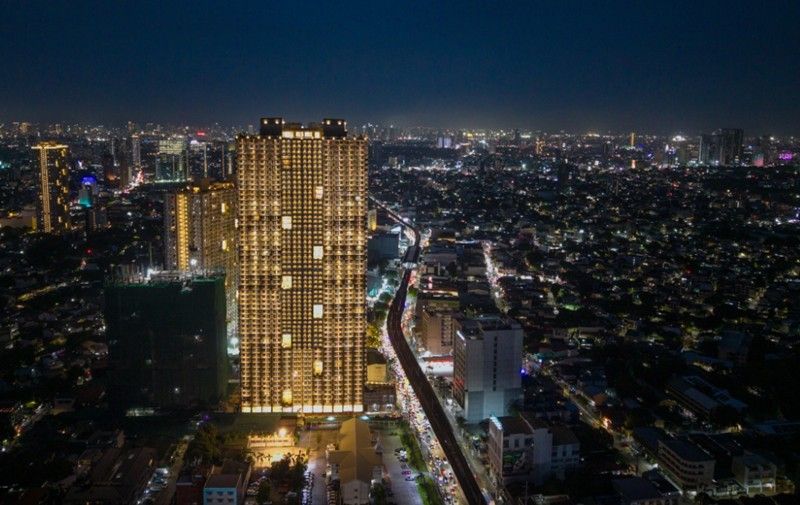
DMCI Homes Aligns Developments with Government's Transit-Oriented Vision
Leading Philippine developer DMCI Homes is strengthening its focus on residential projects near transit hubs, in alignment with the government's expanding railway and subway networks. This strategy aims to enhance urban accessibility and long-term property value growth.
MANILA, Philippines — Quadruple A developer DMCI Homes is reinforcing its commitment to transit-oriented developments (TODs) as the government ramps up investments in major railway and subway systems across Metro Manila. The property arm of DMCI Holdings Inc. continues to position its residential developments near existing and planned transport hubs, aligning with national efforts to integrate housing with mass transit infrastructure. The approach supports the Department of Human Settlements and Urban Development’s TOD Policy Framework, which promotes compact, high-density, mixed-use communities built around major transport systems. By 2028, TODs are expected to be mainstreamed in planning processes, particularly across key rail corridors including LRT, MRT, the Metro Manila Subway Project and the North-South Commuter Railway. In Quezon City, DMCI Homes’ portfolio reflects these principles. Developments such as The Erin Heights, The Crestmont, the recently delivered The Oriana, and Infina Towers are located near stations of the planned Metro Manila Subway Project, which will run from Valenzuela to Taguig with a link to Ninoy Aquino International Airport Terminal 3. The Oriana and Infina Towers, both located along Aurora Boulevard, also provide access to the LRT-2 Recto-Masinag line and are near Anonas and Katipunan stations. The future Anonas Subway Station is expected to further enhance connectivity, placing these developments within a corridor where multiple rail systems converge. Stations such as Quezon Avenue, Anonas and Ortigas are projected to significantly improve travel times between residential communities and central business districts, reinforcing the attractiveness of nearby developments. Meanwhile, The Erin Heights, situated along Commonwealth Avenue corner Tandang Sora Avenue, is within walking distance of the future Tandang Sora Station of MRT-7, which will connect North Avenue in Quezon City to San Jose del Monte, Bulacan. DMCI Homes is applying the same development strategy in other urban centers. In Caloocan City, The Calinea Tower is located near LRT-1 Monumento Station and is expected to benefit from the extension of the line toward Bacoor, Cavite. It is also near the alignment of the North-South Commuter Railway connecting Clark International Airport to Calamba, Laguna. In Pasig City, The Valeron Tower will be close to the future MRT-4 Tiendesitas Station and within reach of Metro Manila Subway stations, including Ortigas and Shaw. Other developments such as Sage Residences in Mandaluyong and DMCI Homes Exclusive’s Fortis Residences in Makati are likewise positioned near MRT-3 stations, catering to residents seeking reduced travel time and better connectivity to business districts. By aligning developments with major transport infrastructure, DMCI Homes Vice President for Project Development Dennis Yap said the company aims to support improved accessibility, reduced commute times and long-term property value growth in transit-linked communities. “The shift toward transit-oriented development is an important direction for the industry,” Yap said. “With the recent turnover of the first building at The Oriana, we continue to expand our presence in key transit corridors, with more projects in the pipeline.” As infrastructure expansion continues, the company is positioning its portfolio to meet rising demand for well-connected, livable urban developments. DMCI Homes is the country’s first Quadruple A real estate developer, with projects in Mega Manila, Baguio City, Tuba in Benguet, San Juan in Batangas, Boracay, Cebu City and Davao City. Each of its properties is built with world-standard craftsmanship borne from D.M. Consunji Inc.’s over 70 years of expertise in the construction and development industry. To learn more about DMCI Homes’ pre-selling and ready for occupancy projects, units for lease and special promos, call (632) 5324-8888. You can also visit leasing.dmcihomes.com to know more about opportunities in leasing and rent-to-own programs of DMCI Homes. News and other updates are also posted on the company’s official website and social media accounts on Facebook, X, Instagram and YouTube. Editor’s Note: This press release is sponsored by DMCI. It is published by the Advertising Content Team that is independent from our Editorial Newsroom.
多角的分析
DMCI HomesのTOD戦略は、フィリピン経済における不動産セクターの成長と都市化の進展を反映している。政府によるインフラ投資の拡大は、不動産開発業者にとって新たな機会を生み出し、特に交通網の整備が進む地域での住宅需要を刺激する。これにより、関連産業(建設、建材、小売など)への波及効果も期待される。一方で、不動産価格の高騰や、都市部への人口集中によるインフラへのさらなる負荷といった課題も浮上する可能性がある。
投資家にとって、DMCI HomesのTODへの注力は、長期的な不動産価値の成長ポテンシャルを示すシグナルとなる。公共交通機関へのアクセスが良い物件は、通勤の利便性から需要が高く、賃貸収入や売却益の安定につながりやすい。政府のインフラ計画の進捗状況や、TOD政策の実施状況を注視することは、投資判断において重要となる。特に、メトロ・マニラ・サブウェイやノース・サウス・コミューター鉄道といった大規模プロジェクトの進捗は、周辺不動産の価値に大きく影響するだろう。
DMCI HomesのTOD開発は、都市部における住宅問題への対応と生活の質の向上を目指している。駅近の物件は、長距離通勤による時間的・身体的負担を軽減し、住民のワークライフバランス改善に寄与する。しかし、高密度開発は、緑地の減少やコミュニティの分断を招く可能性も指摘されている。また、 TODエリアの不動産価格上昇が、低所得者層を都市中心部から排除する「ジェントリフィケーション」を引き起こす懸念もある。特に、交通網の整備が進む地域では、既存住民の居住継続が困難になるケースも考えられる。
政府のインフラ投資と、DMCI HomesのようなデベロッパーによるTOD開発は、マニラ首都圏の住民、特に長距離通勤を強いられている人々にとって、移動時間の短縮と生活の利便性向上という恩恵をもたらす可能性がある。例えば、将来的にメトロ・マニラ・サブウェイやMRT-7が開通すれば、これまで通勤に数時間を要していた地域からビジネス中心地へのアクセスが劇的に改善されることが期待される。しかし、これらの新しい開発エリアや駅周辺では、不動産価格の上昇が懸念され、既存の住民が住み続けられなくなる可能性や、新しい住居が高額になり、手が届かない層が出てくるという不安も同時に存在する。そのため、開発の恩恵が一部の人々に偏らず、より広範な市民に及ぶような配慮が求められている。
背景・歴史的文脈
フィリピン政府は、都市部の交通渋滞緩和と持続可能な都市開発を目指し、公共交通指向型開発(TOD)を推進している。これは、2017年に採択された「国家インフラ開発計画(NIP)」の一環であり、特にメトロ・マニラにおける鉄道網の拡充(MRT-7、メトロ・マニラ・サブウェイ、ノース・サウス・コミューター鉄道など)と連携した開発を重視している。DMCI Homesのような大手デベロッパーは、こうした政府の政策と連携し、駅近の住宅開発に注力することで、不動産市場における競争優位性を確立しようとしている。過去には、不動産開発が都市計画と乖離し、交通渋滞や住宅不足を悪化させるケースもあったため、政府はTOD政策を通じて、より計画的で効率的な都市開発を目指している。
原文ソース
Philstar Business