Vietnam's Top Leader Orders Removal of Bottlenecks for Over 10% GDP Growth
Economy
2026年7月5日
5
Bao Chinh Phu

Vietnam's Top Leader Orders Removal of Bottlenecks for Over 10% GDP Growth

AI サマリー

Vietnamese Party General Secretary and President To Lam has ordered a special action program to achieve GDP growth exceeding 10% annually, focusing on strengthening public investment, unlocking private capital, and enhancing domestic enterprise capabilities. Diversifying export markets and bolstering domestic industrial capacity were also emphasized.

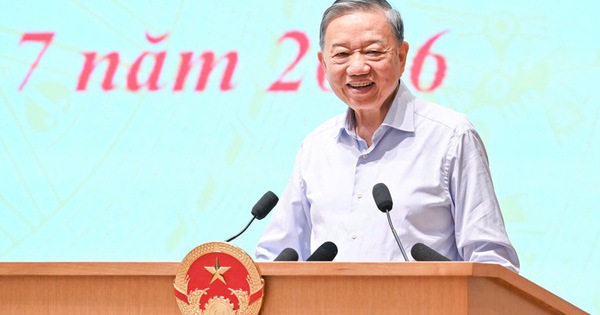
General Secretary of the Communist Party of Viet Nam and President To Lam has strongly urged the removal of economic growth bottlenecks to achieve an annual GDP growth rate exceeding 10%. Addressing the Government's regular meeting in Hanoi on July 4, he called for the implementation of a special action program for the remaining six months of the year. Specific measures highlighted include strengthening the leading role of public investment, unlocking private investment, and enhancing the capacity of domestic enterprises. The leader emphasized the need to safeguard export markets, reduce dependence, and strengthen domestic industrial capabilities. Compliance with standards on rules of origin, intellectual property, environmental protection, and labor was deemed a matter of "economic security." He called for the establishment of an early warning mechanism and support for businesses in handling trade remedy cases, ensuring product traceability, meeting green standards, and preventing origin fraud. Viet Nam's economy maintained solid growth momentum in the first half of 2026, with GDP expanding by 8.18 percent. However, the leader promoted a strategy of diversifying export markets, supply sources, transport routes, and investment partners, while simultaneously developing the domestic market. Priority will be given to the development of supporting industries, mechanical engineering and manufacturing, electronics, new materials, digital technologies, AI, and energy technologies. Furthermore, for Foreign Direct Investment (FDI), the policy of prioritizing projects that bring advanced technologies, strengthen linkages with Vietnamese enterprises, provide workforce training, and facilitate technology transfer was clarified. Ensuring security in energy, food, water resources, data, and digital sovereignty, as well as improving institutions and the business environment, and ensuring the smooth functioning of the two-tier local government system were also deemed important. Additionally, it was reiterated the importance of promoting cultural and social development and human development, ensuring that all citizens benefit from the country's development achievements. Continued efforts to strengthen national defense and security capabilities, firmly safeguard political stability, social order, and public safety, and prevent and combat corruption, wastefulness, and other negative practices were also requested.

多角的分析

経済的影響

年率10%超のGDP成長目標は、ベトナムが掲げる「2045年までに先進国入り」という長期目標達成に向けた野心的な設定である。2026年前半の8.18%という成長率は堅調だが、目標達成にはさらなる加速が必要となる。公共投資の強化は、インフラ整備を通じて経済活動を刺激する伝統的な手法であり、特に成長のボトルネックとなっているインフラの遅れを解消する狙いがある。民間投資の解放は、国内経済のダイナミズムを高め、雇用創出に不可欠である。輸出市場の多様化は、特定の国への依存度を減らし、地政学的リスクや貿易摩擦の影響を緩和するための戦略であり、これは米中対立など、国際的なサプライチェーンの再編が進む中で、ベトナムが「世界の工場」としての地位を維持・向上させる上で極めて重要である。国内産業能力の強化、特に裾野産業の育成は、付加価値の高い製造業への転換と、FDIとの連携強化に不可欠な要素である。グリーン基準やデジタル技術への対応は、国際市場の要求に応え、持続可能な成長を実現するための投資である。

投資家心理

ベトナム政府が掲げる年率10%超のGDP成長目標は、投資家にとって魅力的な成長機会を示唆している。しかし、この目標達成には、公共投資の強化、民間投資の解放、国内企業能力の向上が不可欠であり、これらの政策が具体的にどのように実行されるかが鍵となる。特に、インフラ分野への公共投資拡大は、物流コストの削減や生産性の向上に繋がり、関連産業への投資機会を生み出す可能性がある。また、民間投資の解放は、国内市場の活性化と新たなビジネスチャンスの創出を期待させる。輸出市場の多様化と国内産業基盤の強化は、サプライチェーンの安定化とリスク分散に貢献し、投資環境の安定化に寄与するだろう。FDIに対する先進技術や技術移転を伴うプロジェクトの優先は、ハイテク産業や高度な製造業への投資を促すインセンティブとなる。一方で、国際基準(原産地規則、環境、労働)への対応強化は、コンプライアンスコストの増加を意味する可能性もあるため、投資家はこれらのリスクと機会を慎重に評価する必要がある。

社会的影響

指導者が「全ての国民が国の発展成果を享受できるよう保証する」と述べたことは、経済成長の恩恵が社会全体に行き渡ることへの配慮を示している。しかし、急速な経済成長の陰で、所得格差の拡大や都市部と地方の発展の不均衡が懸念される。公共投資の強化がインフラ整備に繋がることは、地方の生活環境改善や、地方からの都市部へのアクセス向上に寄与する可能性がある。また、国内産業能力の向上は、より多くの国内雇用を生み出し、国民の所得向上に繋がる。一方で、国際基準への対応強化は、労働者の権利保護や労働環境の改善に繋がる可能性があるが、企業側のコスト増が、結果的に労働者の賃金に影響を与える可能性も否定できない。汚職や浪費の防止・撲滅は、国民の信頼を得て、社会全体の公平性を保つ上で極めて重要である。国民が経済成長の恩恵を実感するためには、教育や医療といった社会サービスへの投資も同時に進められることが望ましい。

市民の声

最高指導者が年率10%超のGDP成長を目指すというニュースは、国民にとって経済の活性化と将来への期待感をもたらすだろう。特に、公共投資の強化や民間投資の解放は、雇用機会の増加や、インフラ整備による生活の利便性向上に繋がる可能性がある。例えば、地方に住む人々にとっては、交通網の整備が進むことで、都市部へのアクセスが容易になり、経済活動の選択肢が広がるかもしれない。また、国内産業の強化は、より多くのベトナム人が質の高い仕事に就ける機会を増やすことが期待される。しかし、国際基準への対応強化は、製品の品質向上や環境保護に繋がる一方で、物価の上昇を招く可能性も懸念される。指導者が強調した「汚職、浪費の防止」は、税金が有効に使われ、国民生活の向上に繋がることを期待させる重要なメッセージである。経済成長の恩恵が、一部の富裕層だけでなく、広く国民に行き渡るかどうかが、今後の社会的な安定に影響を与えるだろう。

背景・歴史的文脈

ベトナムは1986年の「ドイモイ(刷新)」政策以降、市場経済化と対外開放を進め、目覚ましい経済成長を遂げてきた。特に2000年代以降は、製造業の発展と輸出拡大により、年平均6~7%台の成長を維持し、世界銀行から中所得国へと分類された。しかし、近年の世界的なサプライチェーンの再編や地政学的な緊張の高まりを受け、ベトナムは輸出市場の依存度低減と国内産業基盤の強化、そしてより付加価値の高い産業への転換を迫られている。今回の最高指導者の指示は、これらの課題に対応し、持続的かつ包摂的な成長を目指すベトナムの国家戦略の一環と位置づけられる。特に、2026年前半の8.18%という成長率を踏まえ、年率10%超という目標は、経済のさらなる加速化への強い意思表示である。

原文ソース

Bao Chinh Phu

原文を読む