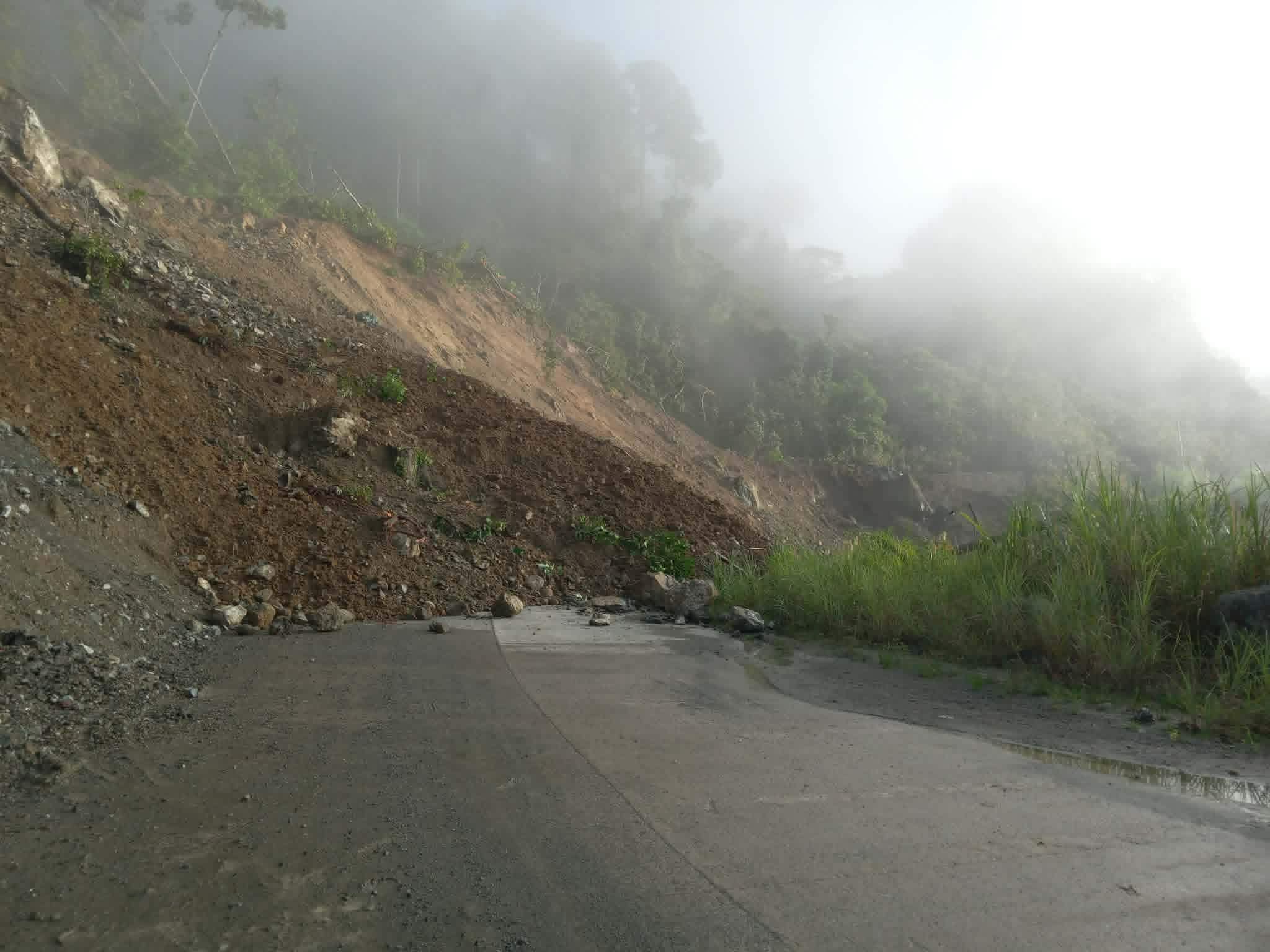
New Landslide Blocks Key Bukidnon Road Amid Heavy Rains
A major landslide has once again blocked a key road in Bukidnon, Philippines, just a day after a vital route was reopened. The incident, attributed to days of moderate to heavy rainfall, has forced motorists to seek alternate paths, highlighting infrastructure vulnerabilities during the rainy season.
A major landslide has once again blocked a key road in Bukidnon, Philippines, on Monday morning, just a day after a vital route linking the province with Davao del Norte was reopened following a similar collapse. The latest incident buried a two-lane concrete road in Sitio Balakayo, Barangay Kalagangan, San Fernando town, rendering it impassable to all types of vehicles. Jeofry Catanus of the San Fernando Municipal Disaster Risk Reduction and Management Office (MDRRMO) said the landslide occurred before dawn, following days of moderate to heavy rainfall in the area. He noted that approximately 40 to 45 meters of the road were covered with mud, rocks, uprooted vegetation, and other debris. Clearing operations were immediately launched by the San Fernando local government, with heavy equipment deployed alongside personnel from the Department of Public Works and Highways (DPWH) Bukidnon 1st District Engineering Office. Authorities could not yet estimate when the road would be reopened as clearing operations were still underway Monday morning. The recent event occurred less than 24 hours after a landslide in Sitio Cabadiangan, Talaingod, Davao del Norte, temporarily rendered the Kapalong–Talaingod–Valencia road impassable. That road, a major link between Bukidnon and Davao del Norte, was reopened Sunday afternoon after the Davao del Norte provincial government cleared the debris. Disaster officials warned that the continuing rains have increased the risk of landslides across the mountainous border areas of Bukidnon and Davao del Norte, urging motorists to exercise caution, especially during periods of heavy rainfall. These recurring incidents highlight the vulnerability of the Philippines' infrastructure, particularly in remote and mountainous regions, to the impacts of the rainy season. Such disruptions can significantly affect logistics, trade, and daily life for communities reliant on these routes.
多角的分析
ブキドノン州は農業が盛んな地域であり、主要道路の寸断は農産物の輸送に直接的な影響を与える。特に、収穫期においては、市場への供給遅延や品質低下を招き、農家の収入減につながる可能性がある。また、代替ルートの利用は輸送コストの増加を意味し、地域経済全体の負担増となる。過去の類似事例でも、道路寸断による物流の停滞は、地域経済の回復を遅らせる要因となっている。
フィリピンのインフラ、特に地方部の道路網は、自然災害に対する脆弱性が依然として高い。今回の incident は、投資家に対し、インフラ関連プロジェクトへの投資リスクを再考させる契機となる。災害復旧への継続的な支出は、政府の財政に負担をかけ、他の開発プロジェクトへの投資余力を削ぐ可能性がある。長期的な視点では、気候変動に適応した強靭なインフラ整備への投資が求められる。
サン・フェルナンド町カラガン地区の住民は、日常的な移動手段である道路が寸断されたことで、食料品や医療品へのアクセスが困難になる可能性がある。また、子供たちの通学にも影響が出かねない。代替ルートの利用は、移動時間の増加と燃料費の負担増を意味し、特に低所得者層の生活を圧迫する。過去の災害でも、孤立した地域住民の生活再建には長い時間を要しており、今回も同様の懸念がある。
今回の土砂崩れは、ブキドノン州の住民、特にサン・フェルナンド町カラガン地区の住民にとって、日常生活に直接的な影響を与えています。道路が寸断されたことで、食料品や医薬品の入手が困難になる可能性があり、子供たちの通学も影響を受けるかもしれません。代替ルートの利用は、移動時間の増加と燃料費の負担増を意味し、特に経済的に困難な状況にある人々にとって、生活をさらに圧迫する要因となります。過去の災害でも、孤立した地域住民の生活再建には長い時間を要しており、今回も同様の懸念が広がっています。
背景・歴史的文脈
フィリピンは、太平洋の「火の環」に位置し、地震や火山活動が活発な地域であると同時に、台風銀座とも呼ばれるほど多くの熱帯低気圧の影響を受ける。特に雨季(6月〜11月頃)には、断続的な大雨が頻繁に発生し、土砂崩れや洪水のリスクが高まる。ブキドノン州やダバオ・デル・ノルテ州は、ミンダナオ島の内陸部に位置し、山岳地帯が広がっているため、こうした自然災害の影響を受けやすい。過去にも、同様の土砂崩れによる道路寸断が繰り返し報告されており、インフラ整備の遅れや、気候変動による降雨パターンの変化が、その頻度と深刻さを増していると考えられている。
原文ソース
Inquirer NewsInfo