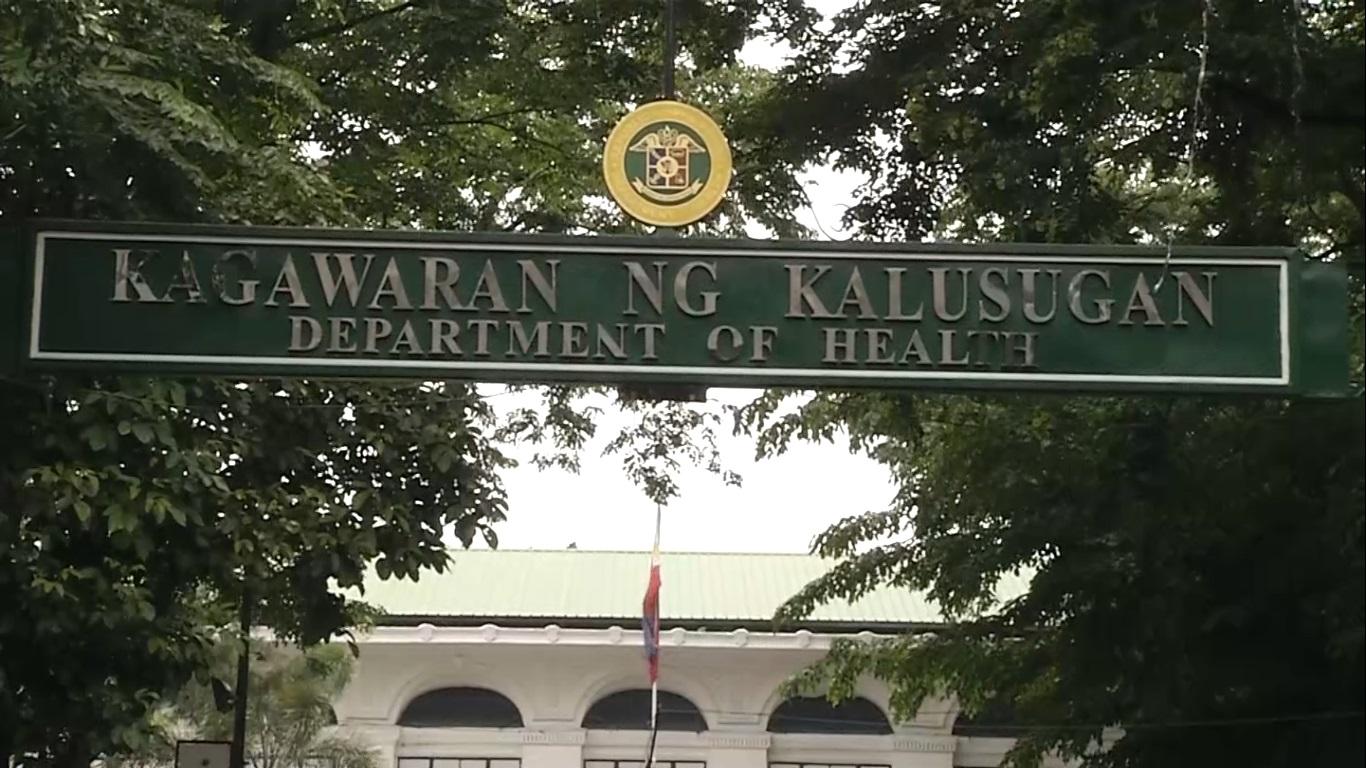
DOH: Deworming safe, warns vs misinformation after student's death
The Department of Health (DOH) reaffirmed the safety of deworming treatments and warned against misinformation following a student's death. The agency stated that Albendazole, recommended by the WHO, has been safely used in public health programs for nearly three decades, with side effects being temporary and manageable.
The Department of Health (DOH) on Thursday said deworming remains safe and effective in protecting children and warned the public against misinformation following the death of a Grade 4 student. DOH issued the statement as it urged the public to support the nationwide deworming activities in July. "The deworming medicine used in the program, Albendazole, has been part of the country's public health program for nearly three decades and is recommended by the World Health Organization. It is generally safe and well tolerated," the Health Dept. said. After deworming, DOH explained that children may experience mild and temporary side effects such as stomach pain, vomiting, fever, diarrhea, or skin rashes after taking the medicine. "These reactions are expected in some cases, usually occur within the first few hours, and can be managed with proper medical guidance," the statement said. EXPLAINER: What is deworming? The Health Dept. has directed health workers and local government units to strictly follow safety protocols during school- and community-based deworming activities to ensure the safe administration of the medicine and proper management of any adverse events. DOH further reminded the public to rely on verified information from the agency and to refrain from sharing unverified or misleading reports that may cause unnecessary fear and discourage the public from getting health protection. Grade 4 learner Rex from Hugo Perez Elementary School-Annex in Trece Martires City, Cavite died after he fell ill following a school deworming activity. The Philippine National Police is conducting a joint investigation with the Department of Education in connection with the student's death. In a statement, the PNP Trece Martires Component City Police Station advised the public to avoid sharing unverified information related to the incident. “Mahalaga pong hintayin ang resulta ng masusing imbestigasyon at iba pang kaukulang pagsusuri bago magbigay ng anumang konklusyon,” the statement read. (It is important to await the results of a thorough investigation and other relevant examinations before drawing any conclusions.) The Education Dept. likewise appealed to stay calm and refrain from making judgments until the investigation is concluded. —Mariel Celine Serquiña/RF, GMA News
多角的分析
デワーム(駆虫)プログラムは、寄生虫感染による子供たちの健康悪化や学習能力低下を防ぐことで、長期的な人的資本の蓄積に貢献する。感染率の低下は、医療費の削減にもつながり、国の経済的負担を軽減する可能性がある。しかし、プログラムの実施には薬剤購入、配布、医療従事者の人件費など一定のコストがかかる。今回の事件のような誤情報が蔓延すると、プログラムへの参加率が低下し、期待される経済的・社会的な効果が損なわれるリスクがある。
公衆衛生プログラムへの信頼は、国内の安定性を示す指標となり得る。デワームプログラムは、国民の健康増進を通じて労働生産性の向上に寄与する可能性があり、間接的に投資環境の改善につながる。しかし、今回の事件のように、公衆衛生に関する情報が混乱すると、国民の健康への懸念が高まり、消費者の購買意欲や、将来的な労働力への影響が懸念される。これは、特にヘルスケア関連や教育関連分野への投資判断に影響を与える可能性がある。
デワームプログラムは、特に貧困層や地方の子供たちの健康格差を是正する上で重要な役割を担っている。学生の死亡という悲劇的な出来事は、公衆衛生プログラムへの不安を増幅させ、親たちが子供の健康管理について過度に心配する状況を生み出している。SNSなどを通じた誤情報の拡散は、地域社会における不信感やパニックを招きやすく、公的機関への信頼を揺るがしかねない。トレセ・マルティレス市のような地域で、保護者たちが子供の健康についてどのように感じ、どのような情報源を信頼するかが、今後の公衆衛生政策の実施において重要な課題となる。
子供を持つ親にとって、デワームプログラムは子供の健康を守るための貴重な機会である一方、今回の事件のような報道に接すると、子供に薬を飲ませることへの不安が募る。特に、SNSで拡散される情報が真実かどうか判断が難しいため、子供の安全が最優先される中で、どのような情報に基づいて行動すべきか、混乱が生じている。トレセ・マルティレス市の保護者たちは、学校や保健所からの正確な情報提供を強く求めているはずだ。
背景・歴史的文脈
フィリピンでは、寄生虫感染が子供たちの健康問題として長年指摘されており、DOHは学校や地域社会でのデワーム(駆虫)プログラムを公衆衛生の重要な柱の一つとして実施してきた。アルベンダゾールなどの薬剤は、世界保健機関(WHO)の推奨に基づき、安全性が確認された上で広く使用されている。しかし、過去にも同様の公衆衛生キャンペーンにおいて、予期せぬ副作用や、それに伴う誤解・デマの拡散が問題となるケースがあった。今回の学生死亡事件は、こうした公衆衛生プログラムの実施における、情報伝達とリスク管理の重要性を改めて浮き彫りにした。
原文ソース
GMA News Philippines