Myanmar Airstrikes Spark Fears of New Rohingya Influx, Border Guards on Alert
Security
2026年7月3日
5
Phnom Penh Post
Relations
🇰🇭Cambodia🇲🇲Myanmar

Myanmar Airstrikes Spark Fears of New Rohingya Influx, Border Guards on Alert

AI サマリー

Airstrikes in Myanmar's Rakhine State have heightened fears of a new Rohingya influx into Bangladesh, prompting increased border vigilance. Direct impact on Cambodia is currently considered limited.

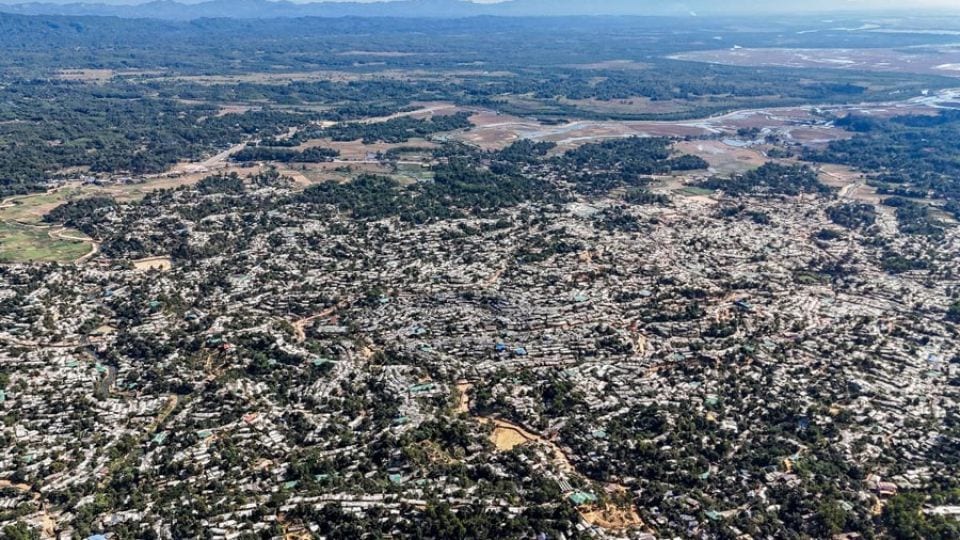
Repeated airstrikes by Myanmar’s military in Maungdaw and Buthidaung townships of Rakhine State have heightened fears that more Rohingya may attempt to flee into Bangladesh, prompting heightened vigilance from border guards. DHAKA – Recent airstrikes by Myanmar’s military in Maungdaw and Buthidaung townships of Rakhine State have heightened fears that more Rohingya may attempt to flee into Bangladesh. Speaking with Rohingya refugees in camps in Cox’s Bazar reveals growing anxiety following repeated airstrikes and mounting pressure from the Arakan Army, after several of its fighters were reportedly killed in an ambush by the Arakan Rohingya Salvation Army (ARSA). Kalimullah, a Rohingya refugee living in a camp in Teknaf, claimed that an armed group believed to be linked to ARSA attacked Arakan Army vehicles in a hilly area three days ago, killing several fighters. He said the Arakan Army then accused local Rohingyas of aiding ARSA and Myanmar’s military, increasing pressure on civilians. “The repeated airstrikes have further heightened fear among civilians. Many want to move to safer places, but the Arakan Army is preventing them,” he said. The Global Arakan Network, a media outlet considered close to the Arakan Army, reported that two Myanmar fighter jets dropped bombs on Buthidaung after 2pm on Wednesday afternoon, injuring a Rohingya woman and two children. It also noted strikes on Rohingya-populated areas in Maungdaw and Arakan Army positions on Sunday morning, Wednesday night, and Thursday afternoon. A Rohingya resident of Maungdaw, who requested anonymity, said Wednesday’s airstrikes hit areas near the Bangladesh border, while Thursday’s attack took place farther north. He said that although Rohingya-populated areas were struck, Myanmar’s military appeared to be targeting Arakan Army positions. “People are still managing to find temporary shelter inside Rakhine. But if the airstrikes and fighting intensify, many Rohingyas may try to flee to Bangladesh,” he said. Border Guard Bangladesh (BGB) Ramu Sector Commander Colonel Mohiuddin Ahmed confirmed that explosions were audible from Teknaf. “Whenever airstrikes take place, people across the border become frightened. We have seen in the past that many Rohingyas try to cross the Naf River into Bangladesh during such situations. That is why we are on alert to prevent any illegal border crossings,” he said, adding that airstrikes intensified after sunset on Thursday afternoon. “Different sources are reporting between 18 and 27 bomb strikes. Although the numbers vary, it is clear that a significant number of airstrikes have taken place. We first received information about an airstrike at around 10:24am Wednesday, and reports have continued to come in throughout the day,” he added. Residents along the Teknaf border were gripped by panic after four powerful explosions, shortly after 9:30pm, shook houses from Jadimura to Shah Porir Dwip on Wednesday night. Teknaf Upazila Nirbahi Officer SM Anik Chowdhury said loud sounds of explosions and gunfire were heard from Myanmar. “We are monitoring the situation. Border residents have been requested not to panic unnecessarily but to remain cautious,” he added. As Cambodia is not geographically adjacent to Myanmar, the direct impact of the escalating situation in Myanmar is considered limited at present. However, regional instability could indirectly affect Cambodia's tourism sector and economy. The Rohingya issue, in particular, garners significant international attention, and responses to humanitarian aid and refugee issues may influence future regional dynamics.

多角的分析

経済的影響

ミャンマー国内の紛争激化は、直接的にはカンボジア経済への影響は限定的だが、地域全体の不安定化はカンボジアの主要産業である観光業に間接的な悪影響を与える可能性がある。特に、国際社会の関心が高まるロヒンギャ問題の動向は、カンボジアの外交政策や経済協力にも影響を及ぼしかねない。過去にも、近隣諸国の治安悪化が観光客の減少を招いた事例があり、カンボジアも同様のリスクに注意が必要である。

投資家心理

現在のミャンマー情勢の緊迫化は、カンボジアへの直接的な投資リスクを大きく高めるものではない。しかし、ASEAN地域全体の地政学的な不確実性が増すことは、カンボジアへの投資判断においても慎重さを求める要因となり得る。特に、人道問題や国際的な非難を伴う紛争は、長期的な視点での地域経済の安定性に懸念をもたらす可能性がある。

社会的影響

ラカイン州での空爆とそれに伴うロヒンギャの越境懸念は、バングラデシュ国内の難民キャンプに大きな不安をもたらしている。カンボジア国内では、このニュースは遠い出来事として捉えられている可能性が高いが、国際的な人道問題として関心を持つ市民もいるだろう。もしロヒンギャの越境が大規模化した場合、国連や国際NGOによる支援活動が活発化し、カンボジアの市民社会団体が支援に関与する可能性も考えられる。

市民の声

ミャンマーでの空爆や戦闘の激化は、国境付近の住民に直接的な恐怖をもたらしている。カンボジアの一般市民にとっては、地理的な距離もあり、直接的な影響は少ないだろう。しかし、ニュースを通じて現地の悲惨な状況を知ることで、国際社会の平和や人道問題への関心を深めるきっかけとなる可能性はある。特に、SNSなどを通じて情報に触れる若年層は、こうした問題に関心を持つかもしれない。

背景・歴史的文脈

ロヒンギャ問題は、ミャンマー北西部ラカイン州に居住するイスラム教徒少数民族ロヒンギャの地位を巡る長年の問題である。1982年のミャンマー国籍法により、多くのロヒンギャが国籍を剥奪され、無国籍状態となった。2017年には、ARSAによる治安部隊への攻撃を契機に、ミャンマー軍による大規模な掃討作戦が行われ、70万人以上のロヒンギャがバングラデシュへ避難した。現在もラカイン州では、ミャンマー軍とAA、そしてARSAなどの武装勢力との間で散発的な衝突が続いている。今回の空爆は、これらの複雑な対立構造の中で発生しており、さらなる人道危機への懸念を生んでいる。

原文ソース

Phnom Penh Post

原文を読む