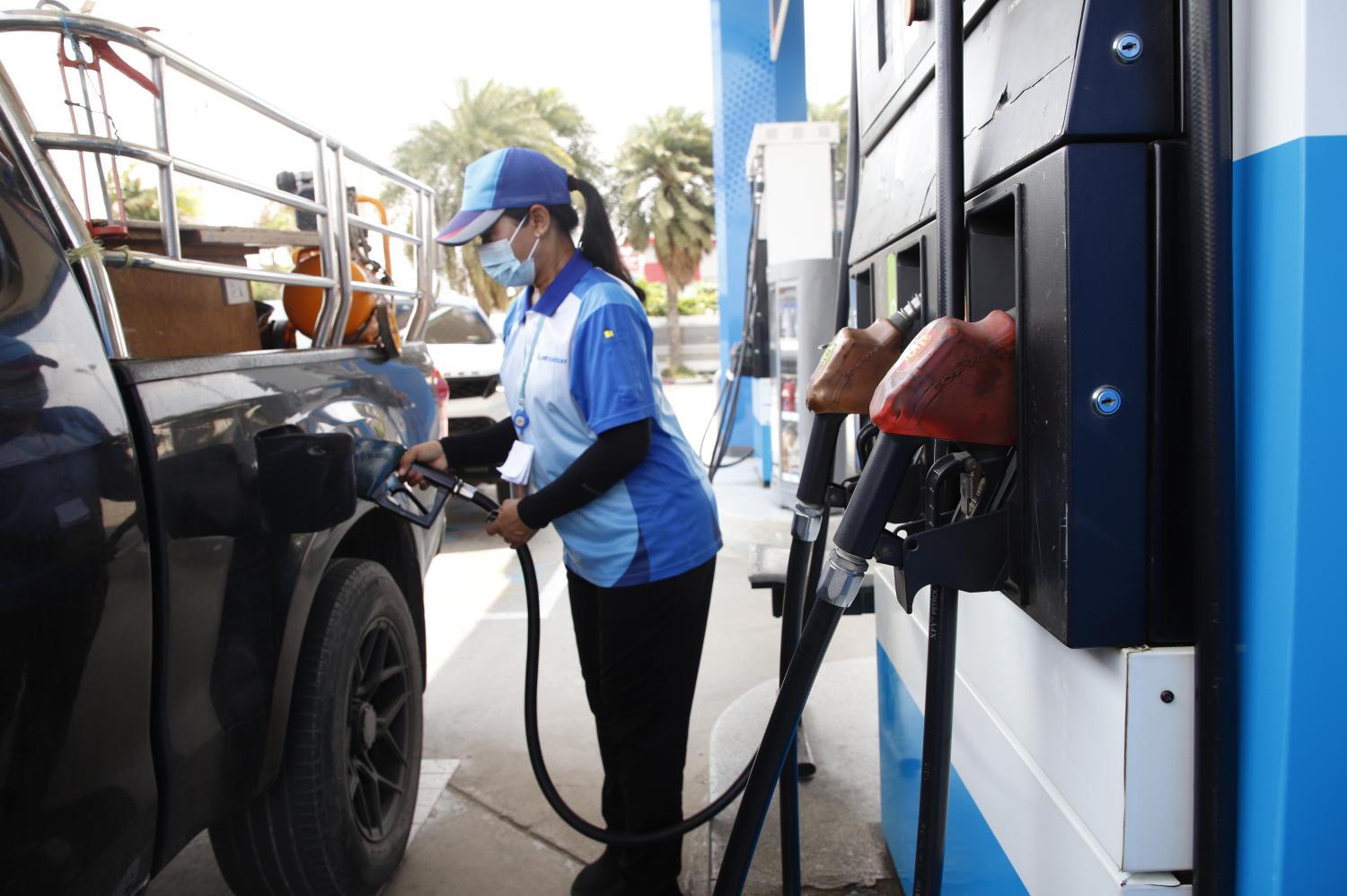
Thai Govt Struggles to Lower Retail Oil Prices Amid Global Market Pressures
Business
2026年7月9日
5
Bangkok Post

Thai Govt Struggles to Lower Retail Oil Prices Amid Global Market Pressures

AI サマリー

The Thai government is struggling to lower retail oil prices, which remain above 30 baht per liter despite global crude declines. Measures like reducing Oil Fuel Fund levies offer only modest relief, as ex-refinery prices are not adjusted, and global refining capacity issues persist.

The government continues to grapple with the challenge of lowering retail oil prices, which remain stubbornly above 30 baht per litre despite recent declines in global crude markets. An energy official, who requested anonymity, said authorities have limited tools at their disposal to ease the burden on motorists. Recent measures have focused on reducing levies collected through the Oil Fuel Fund, resulting in modest cuts of 2.56 baht per litre for diesel and 2.51 baht per litre for gasoline. However, the ex-refinery price -- a crucial component in determining retail costs -- has not been adjusted, leaving pump prices elevated. Global crude prices fell after Washington and Tehran signed a memorandum of understanding last month aimed at easing Middle East tensions. The agreement followed a surge in prices earlier this year, triggered by the US-Israeli conflict with Iran. While the easing of hostilities has brought some relief, the government insists it must continue collecting levies to reimburse oil retailers. "The government needs to keep oil prices at high levels. They need money to reimburse oil retailers," the official said, noting that subsidies from the Oil Fuel Fund had previously been used to cushion the impact of soaring crude prices. Beyond crude supply, the official pointed to deeper structural issues. Recent conflicts have disrupted refining networks in the Middle East, further straining global refining capacity. This comes on top of long-term declines in refinery investment and closures during the pandemic that left the industry ill-prepared to meet demand. As a result, even when crude oil is abundant, refined fuel prices remain high due to limited processing capacity, he said. Refineries are prioritising diesel and jet fuel to meet industrial and travel demand, leaving gasoline production constrained. This imbalance has driven pump prices higher in many countries. "It is difficult to bring retail oil prices back to pre-conflict levels because of both domestic and international market pressures," the official said.

多角的分析

経済的影響

タイ政府は、国際市場の原油価格下落という追い風にもかかわらず、小売油価格の抑制に苦慮している。これは、国内の石油燃料基金への還付金徴収という財政的必要性と、世界の精製能力の限界という構造的な問題が複合的に作用しているためである。特に、精製業者がディーゼルやジェット燃料を優先する傾向は、ガソリンの供給を圧迫し、価格高騰の一因となっている。政府が賦課金の削減という手段に限定されているのは、基金の健全性を維持し、将来的な価格変動への対応力を確保するためと考えられる。

投資家心理

投資家にとって、タイの小売油価格の動向は、インフレ圧力や消費者の購買力への影響を通じて間接的に重要となる。政府が価格抑制のために利用できる手段が限定的であることは、市場の自然な価格決定メカニズムへの介入が少ないことを示唆するが、同時に、高止まりする燃料価格が運輸・物流コストを押し上げ、企業の収益性を圧迫するリスクも示唆している。中東情勢の安定化は原油価格の安定に寄与するが、精製能力の制約という根本的な問題が解決されない限り、燃料価格の急激な下落は期待しにくい。

社会的影響

小売油価格の高止まりは、タイ国民、特に地方のドライバーや低所得者層に直接的な経済的負担を強いている。ガソリン価格が30バーツを超える状況は、日常生活費の増加を意味し、家計を圧迫する。公共交通機関の利用が限定的な地域では、自家用車への依存度が高いため、この影響はより深刻となる。政府が石油小売業者への還付金徴収を優先せざるを得ない状況は、国民生活への直接的な支援策の余地を狭めていることを示唆しており、社会的な不満の高まりにつながる可能性もある。

市民の声

タイ市民、特に自動車を利用する人々は、国際的な原油価格が下落しても、ガソリンスタンドでの支払いが減らないことに不満を感じているだろう。政府が石油基金への還付金を徴収し続けなければならないという事情は理解しつつも、毎日の生活費に直結する燃料費の負担感は大きい。地方では、公共交通機関が未発達なため、車の維持は不可欠であり、この状況は生活の質に直接影響を与えている。物価上昇が続く中で、燃料費の高さは家計の大きな懸念材料となっている。

背景・歴史的文脈

タイにおける小売油価格の問題は、国際的な原油価格の変動に加え、国内のエネルギー政策と財政状況に深く根差している。過去には、石油燃料基金が価格変動の緩衝材として機能してきたが、パンデミックや地政学的な緊張による原油価格の高騰は、基金の財政を圧迫した。特に、中東地域での紛争は、原油供給だけでなく、精製能力にも影響を与え、価格の不安定化を招いた。政府が小売業者への還付金を優先せざるを得ない状況は、基金の持続可能性を維持するための苦肉の策であり、それが結果として国民の負担増につながっている。

原文ソース

Bangkok Post

原文を読む