General articles are free for 24 hours after publish.
Mayon Volcano Sulfur Dioxide Emissions Surge, Raising Eruption Concerns
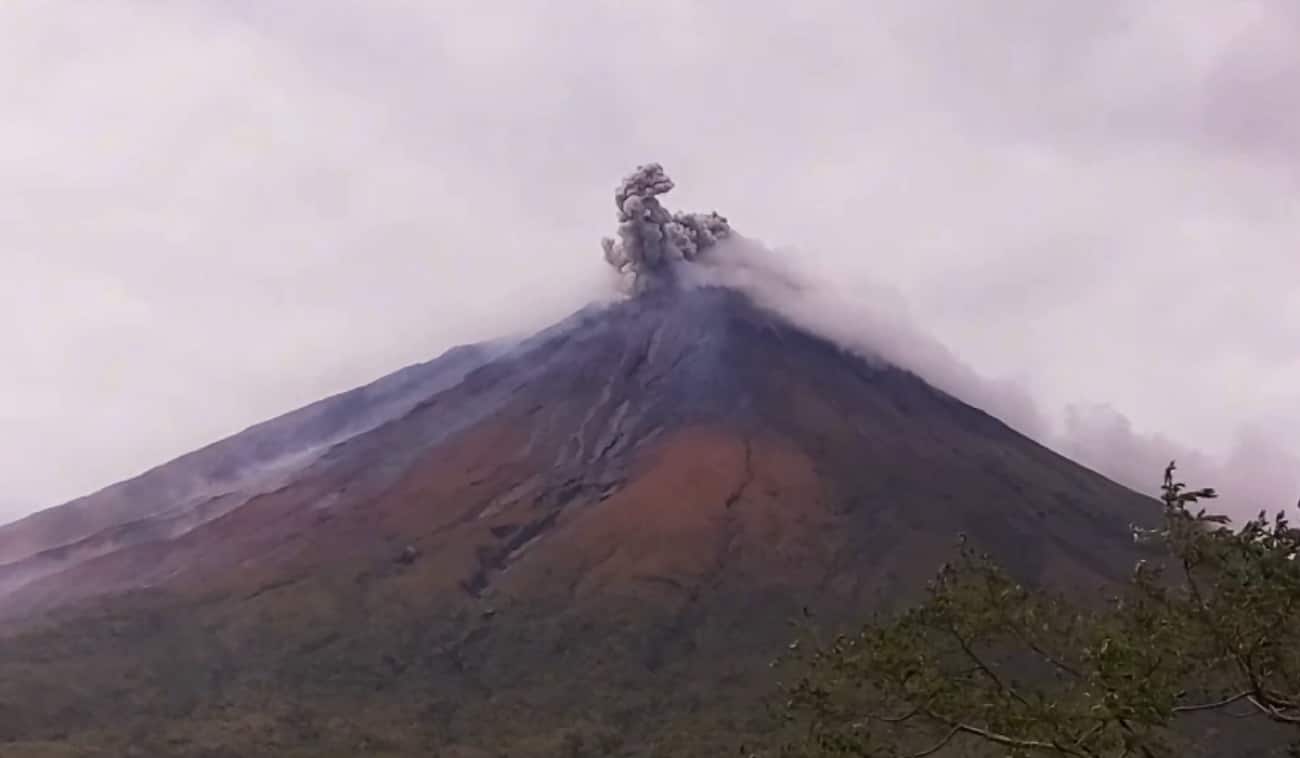
Sulfur dioxide emissions from the Philippines' Mayon Volcano have more than doubled their average levels since August 5, prompting the Philippine Institute of Volcanology and Seismology (Phivolcs) to warn of potential renewed eruptive activity.
Sulfur dioxide emissions from the Philippines' Mayon Volcano have surged to more than twice their average level since August 5, prompting the Philippine Institute of Volcanology and Seismology (Phivolcs) to warn of possible renewed eruptive activity. In its bulletin on Tuesday, September 1, the agency reported that Mayon released 7,115 tons of sulfur dioxide on August 5. This significant increase suggests that magma may be rising closer to the surface, and Phivolcs is urging vigilance regarding potential future eruptive activity. Mayon Volcano, renowned for its near-perfect conical shape and popularity as a tourist destination, is also one of the most active volcanoes in the Philippines. It has experienced several major eruptions in the past, each leading to the evacuation of nearby residents and damage to infrastructure. The current rise in sulfur gas emissions raises questions about whether Phivolcs will elevate the volcano's alert level and how this might impact evacuation plans for surrounding communities. The Philippine government consistently monitors volcanic activity to ensure the safety of its citizens, yet the risk of natural disasters remains ever-present. This situation could have implications not only within the Philippines but also for neighboring countries and the international community, including Japan. Concerns include potential disruptions to air travel due to ash plumes and impacts on the tourism sector.
Original source
Inquirer NewsInfo