Poland Eyes Deeper Agri-Food Ties with Philippines, to Feature at WOFEX 2026
Poland is looking to bolster its bilateral ties with the Philippines in food security, agriculture, and trade, extending beyond defense and security cooperation. As the Philippines' third-largest supplier of chicken meat, Poland aims to deepen bilateral engagement through its debut at the WOFEX 2026 food trade show.
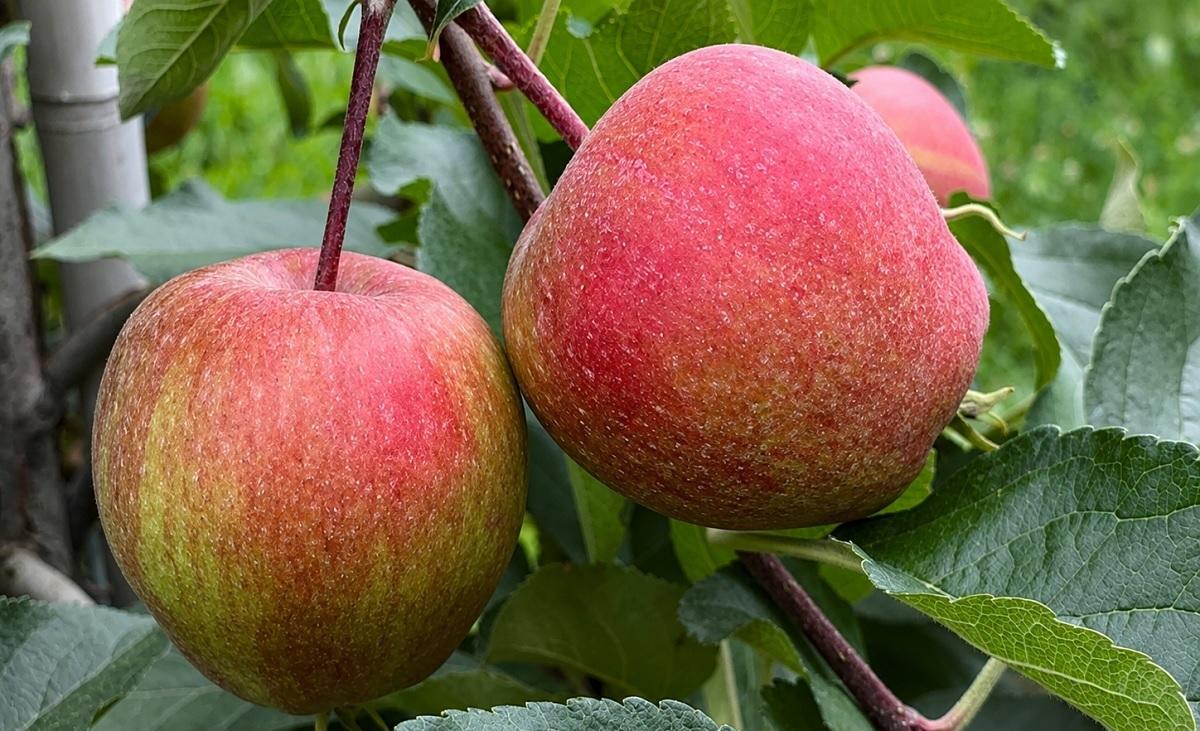
WARSAW — Poland is seeking to expand its cooperation with the Philippines beyond defense and security by strengthening bilateral ties in food security, agriculture and trade. Poland is currently the Philippines’ third-largest supplier of chicken meat, particularly mechanically deboned meat or MDM. In 2023, Poland secured approval from the Philippine Department of Agriculture to supply poultry products to the country. In an interview with GMA News along with other journalists visiting Warsaw, Polish Minister of Agriculture and Rural Development Stefan Krajewski said preparations are underway for business-to-business meetings involving Philippine importers, government officials and Polish meat producers. “We’re also preparing a series of B2B meetings focusing on the Polish meat processing sectors for pork and poultry,” he said. Krajewski also confirmed that Poland will participate in the World Food Expo, or WOFEX 2026, which will be held from July 29 to August 1 at the World Trade Center Metro Manila. Poland will make its first appearance at the event with a dedicated “Poland tastes good” National Pavilion, jointly organized by the Polish Ministry of Agriculture and Rural Development and the National Support Centre for Agriculture, or KOWR. Eleven Polish companies will showcase products from the dairy, poultry, pork, processed meat, confectionery, snack and food-ingredient sectors. “We decided to be present at the World Food Expo in Manila this year, so we’re going to have our national exhibit of our products,” said Krajewski. “We have great dairy products that we would like at the World of Food Expo to be showcased.” According to the Polish government, the country’s agri-food exports to the Philippines reached approximately $106 million in 2025, up from $81.1 million in 2024—a year-on-year increase of 30.6%. Among the participating companies are Mlekpol, Łowicz Dairy Cooperative, Kaskat Dairy, Sokołów, Gobarto, Polskamp, Greta-Plus, Colian, Maspex and Aksam. Their products include milk powders, ultra-high-temperature milk, dairy ingredients, poultry, pork, processed meat, confectionery, biscuits, wafers and snacks. A Polish chef will also lead a live culinary program featuring traditional dishes such as kotlet schabowy, or breaded pork cutlet; braised beef known as bitki; and the traditional Polish chicken broth called rosół. Polish officials said helping improve the food security of partner countries such as the Philippines must be accompanied by strict measures to ensure that exported food is safe and of high quality. Paweł Meyer, Poland’s Chief Veterinary Officer, said Polish meat producers are required to follow European Union regulations and international standards. “We are obligated to comply with all EU standards in production of meat products but we also comply with the highest international quality standards,” he said. Food products exported by Poland are also subjected to strict auditing and veterinary inspections, according to Meyer. “The Polish veterinary inspection provides very strict supervision and because of that the quality of safety is ensured,” he said. Polish officials said dairy products and poultry remain the country’s leading food exports to the Philippines, while opportunities are also growing for pork, processed food, confectionery, snacks and private-label products. Apples Poland is also seeking to introduce its apples to the Philippine market. During a visit to an apple farm in southeastern Poland, GMA News saw how growers carefully maintain the fruit and immediately remove apples that fail to meet production and quality standards. Most apples currently sold in the Philippines are imported from countries such as China, the United States, New Zealand and Japan. Krajewski said preparations are underway to secure access for Polish apples to the Philippine market. “Definitely, we are planning to export our apples because we are famous for our apples both in the European Union and across the world, in fact, and all the preparations are in progress to make it happen.” Poland described the Philippines as one of Southeast Asia’s most promising food markets and said its participation in WOFEX reflects its commitment to building long-term partnerships with Philippine businesses and consumers. The Polish exhibitors will be located at Booth 530 of the World Trade Center in Pasay City. — BM, GMA News
多角的分析
ポーランドはフィリピン市場における農産食品の輸出拡大を目指しており、特に乳製品、鶏肉、豚肉、菓子類などが重点分野です。2024年から2025年にかけて輸出額が30%以上増加すると予測されていることは、フィリピンの食料輸入市場の成長性と、ポーランドの同市場への積極的な参入意欲を示しています。WOFEXへの参加は、ブランド認知度向上と販路開拓のための重要なプラットフォームとなり、長期的な貿易関係構築に貢献すると考えられます。これは、フィリピン国内の食料品市場における競争激化や、消費者への選択肢拡大という側面も持ちます。
ポーランドのフィリピン市場への本格参入は、現地の食品輸入業者や流通業者にとって新たなビジネスチャンスをもたらします。特に、ポーランド産農産食品の品質と安全性を前面に出したマーケティング戦略は、フィリピン国内の消費者からの信頼獲得につながる可能性があります。投資家にとっては、ポーランド企業のフィリピン進出動向を注視し、現地の食品加工・販売分野への投資機会を探る上で、WOFEXのようなイベントは有益な情報源となり得ます。ただし、現地の規制や消費者嗜好への適応が成功の鍵となるでしょう。
ポーランドからの多様な食品の輸入拡大は、フィリピンの食卓に新たな選択肢をもたらし、食文化の多様化に寄与する可能性があります。特に、ポーランドの伝統料理を紹介する試みは、フィリピン国民の食への関心を高めるでしょう。一方で、輸入食品の増加は、国内の農業従事者や食品生産者にとっては、競争の激化という形で影響を与える可能性も否定できません。食料安全保障の観点からは、供給源の多様化はリスク分散につながりますが、価格動向や国内産業への影響も注視する必要があります。
フィリピン市民にとって、ポーランドからの高品質な食品の輸入拡大は、より多くの選択肢と、場合によっては価格競争による恩恵をもたらす可能性があります。特に、これまで馴染みのなかったポーランドの乳製品や菓子類などが手軽に入手できるようになることは、食生活の向上につながると期待されます。しかし、輸入食品への依存度が高まることで、国内生産品への影響や、食品価格の変動リスクも考慮する必要があります。WOFEXのようなイベントは、市民が新しい食品に触れる機会を提供します。
背景・歴史的文脈
フィリピンは東南アジアにおける経済成長著しい国の一つであり、食料品市場も拡大傾向にあります。多くの先進国や新興国がフィリピン市場への進出を狙っており、食料安全保障は国内の重要な政策課題となっています。ポーランドは、EU加盟国として、その農業生産力と厳格な品質管理基準を武器に、国際市場でのプレゼンスを高めようとしています。過去には、フィリピンは食料品輸入において、中国、米国、日本、オーストラリアなどから多くの品目を調達してきましたが、近年は供給源の多様化と、より安全で高品質な食品への需要が高まっています。ポーランドのWOFEXへの参加は、こうした市場のニーズに応え、両国間の経済関係を多角化する試みと言えます。
原文ソース
GMA Money Philippines