General articles are free for 24 hours after publish.
Philippine Business Confidence Turns Negative in July Amid Mideast Tensions, Inflation Fears
Philippine business sentiment turned negative in July, with the overall confidence index dropping to -20.3% from neutral in June, according to the Bangko Sentral ng Pilipinas. Renewed concerns over Middle East hostilities and persistent inflation were cited as key drivers.
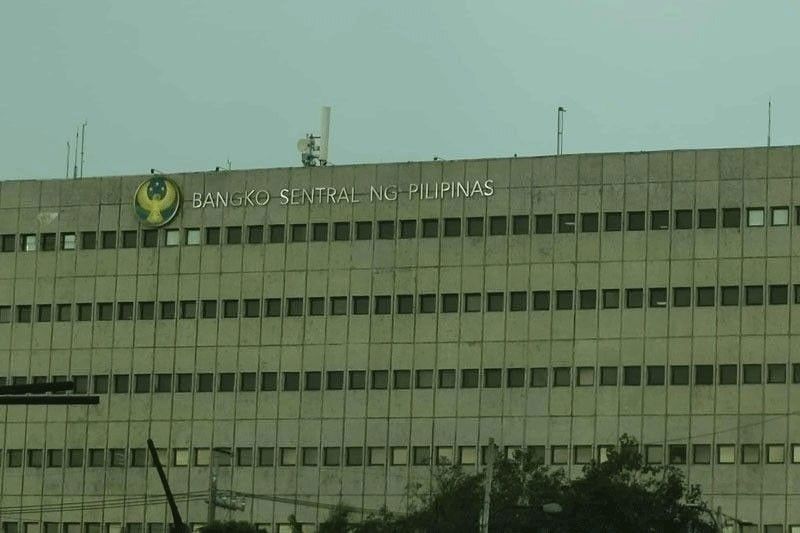
MANILA, Philippines — Business sentiment in the Philippines turned sour in July amid renewed concerns over hostilities in the Middle East and persistent inflationary pressures, according to the Bangko Sentral ng Pilipinas (BSP). Results of the central bank’s Business Expectations Survey (BES) showed that the overall business confidence index for July swung to negative from neutral in June. It dropped sharply to -20.3 percent in July from zero percent in June, indicating that more firms were pessimistic than optimistic. “Philippine business sentiment turned pessimistic in July 2026 amid renewed concerns over tensions in the Middle East, higher oil prices and persistent inflationary pressures,” the BSP said. Likewise, businesses also turned less upbeat for the next three months and the next year. “Nonetheless, firms remained optimistic about business prospects for the next 12 months, although less so than in the previous survey,” the BSP said, with an expectation of economic activity to moderate and inflation to remain above the central bank’s four-percent tolerance ceiling. The outlook for the near term also deteriorated, with the three-month-ahead confidence index falling to 3.7 percent from 18.8 percent, while the 12-month outlook weakened to 29.4 percent from 42.4 percent. This week, the United States and Iran have traded airstrikes, which raised fears of renewed war across the Middle East. The Philippines, a net oil importer, saw oil and energy shocks since early this year. Headline inflation slightly cooled to 6.1 percent in August from 6.2 percent in July. It was, however, faster than the 1.5 percent recorded a year ago. This brought the average to 5.2 percent in the eighth-month period, way above the BSP’s two to four percent target band. Likewise, the Philippine economy grew by a sluggish 2.3 percent in the second quarter amid dampened household consumption and a steep decline in public construction that dragged investment. “Over the next 12 months, fewer firms indicated plans to hire additional workers amid expectations of softer growth and elevated inflation. Nevertheless, firms in the industry sector still reported plans to expand operations next year,” the BSP said. Businesses likewise reported tighter financial conditions and access to credit. The financial condition index declined to -31.4 percent from -26.8 percent, while the credit access index slipped further to -7 percent from -5.7 percent. “Employment prospects were less favorable as the share of businesses planning to hire more workers over the next 12 months declined. Conversely, the share of industry firms intending to expand operations increased,” the BSP said.
Original source
Philstar Business