General articles are free for 24 hours after publish.
Southeast Asia Becomes Epicenter of Synthetic Drug Production, Indonesia Intensifies Crackdown
Southeast Asia has become the global epicenter for synthetic drug production, with Myanmar emerging as a primary source. Indonesian authorities recently seized a large quantity of methamphetamine off Sumatra, intensifying crackdowns to combat a regional surge in drug trafficking.
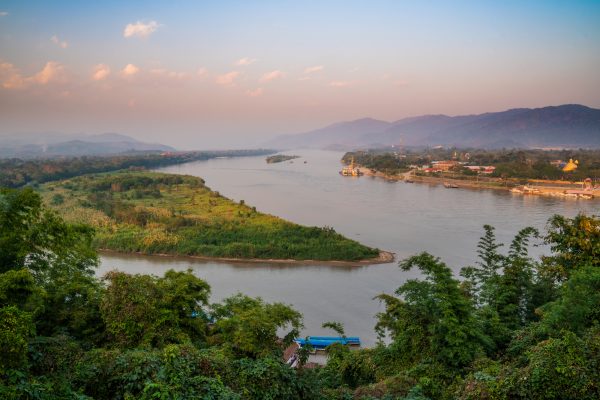
The United Nations Office on Drugs and Crime (UNODC) identifies Southeast Asia as arguably the largest epicenter of synthetic drug production globally. Authorities in the region have been seizing record amounts of methamphetamine and ketamine, with production showing no signs of slowing down. In a recent operation, Indonesian authorities seized approximately 2.6 tons of liquid methamphetamine from a ship off the coast of Sumatra. This bust is one of several large-scale drug seizures in the past two years, highlighting the escalating challenge of combating unprecedented trafficking surges in the region. According to UNODC Deputy Director of Operations Jeremy Douglas, much of this drug production is concentrated in the Golden Triangle, a tri-border area between Myanmar, Laos, and Thailand. Historically known for opium and heroin, the region saw a significant shift towards methamphetamine production in the early 2000s, initially with 'yaba' for the Thai market. By around 2010, crystal methamphetamine production also began to appear in areas like southern China, the Philippines, and Indonesia. A pivotal moment occurred around 2015 with a major crackdown on drug labs in Lufeng, Guangdong province, China. This operation disrupted the supply of crystal meth sourced from that region. Consequently, organized crime syndicates redirected their production back to the Golden Triangle, particularly in Myanmar's northern Shan State, leveraging existing networks and collaborating with ethnic armed groups and other local factions. These sophisticated criminal entities invested in labs, leading to the current surge in production. The ongoing instability in Myanmar has also played a role. Since the 2021 coup, the country's economic downturn has driven some individuals back to opium cultivation for income, leading to an increase in heroin production, though not to the scale seen in earlier decades. Douglas warns that the drug crisis is unlikely to reverse anytime soon.
Original source
The Diplomat Indonesia