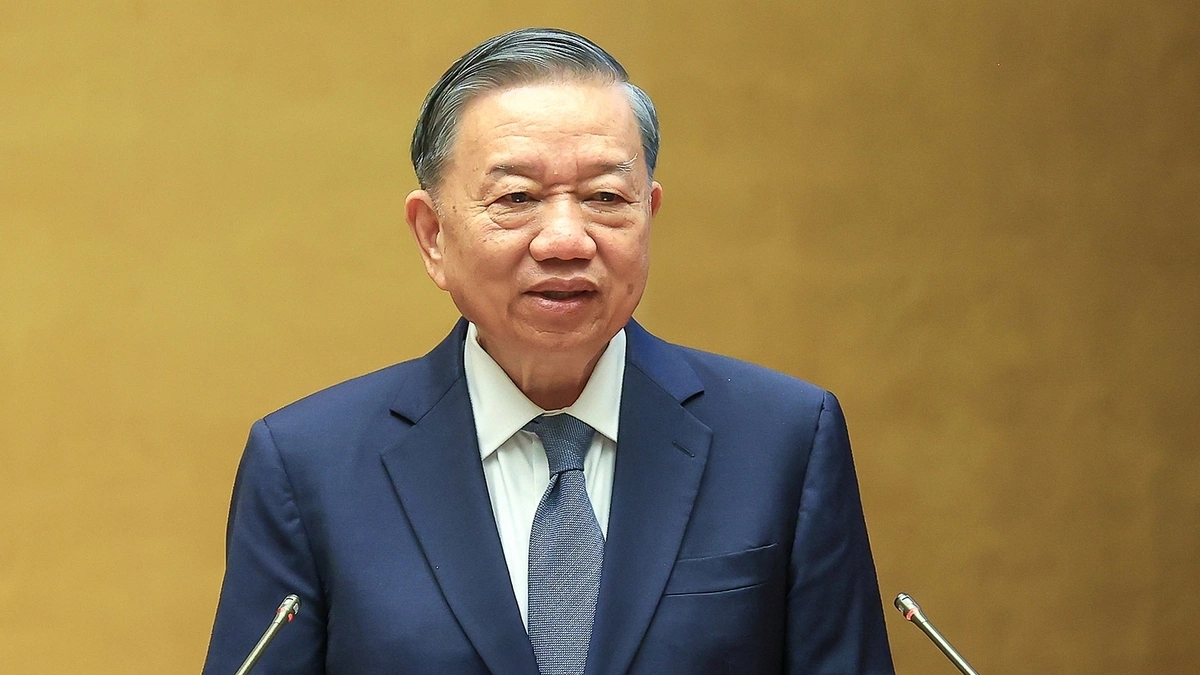
Vietnam Demands 'Substantive Results' in Science, Tech & Digital Transformation: Top Leader Outlines Four Key Tasks
Technology
2026年7月1日
7
VnExpress

Vietnam Demands 'Substantive Results' in Science, Tech & Digital Transformation: Top Leader Outlines Four Key Tasks

AI サマリー

Vietnamese Party General Secretary and President To Lam strongly urged the creation of tangible results at a review meeting for Resolution 57, which promotes science, technology, innovation, and digital transformation. While institutional frameworks have progressed, he highlighted low implementation rates, particularly in digital transformation, exposing challenges in execution. He directed a shift towards generating concrete outcomes and value.

Vietnamese Party General Secretary and President To Lam has strongly urged the creation of "substantive results" in the implementation of Resolution 57, which aims to promote science, technology, innovation, and digital transformation. Speaking at a review conference for the resolution after 18 months, Lam acknowledged positive developments, including improved awareness, institutional frameworks, and significant progress in national digital transformation. He highlighted the completion of the national population database and the activation of over 71 million VNeID accounts, which have streamlined numerous administrative procedures. In the science and technology sector, the "three-house" collaboration model has shown initial effectiveness in translating research into practice, with some Vietnamese enterprises mastering technologies and entering domestic and international markets. However, Lam candidly pointed out persistent challenges and bottlenecks. The disbursement rate for science, technology, innovation, and digital transformation funds for the first six months of 2026 stood at a mere 23.35%, with digital transformation at only 12%. This, he noted, indicates a lack of implementation or know-how, with many areas possessing funds but unable to utilize them effectively. He also recognized that the impact of science, technology, and digital transformation has been most pronounced in state management and improving administrative procedures for citizens, while applications in businesses and economic development remain limited. Lam characterized the overall implementation of Resolution 57 as having clear directives, improving institutions, allocated resources, and high political will, but lacking commensurate actual results. Identifying the "execution phase" as the biggest bottleneck, Lam called for a shift from building mechanisms to generating tangible products and value. "We must strongly transition from building mechanisms to creating products, from completing tasks to creating value, and from preparing conditions to directly contributing to national development," he stated. To achieve more substantive results from Resolution 57, Lam outlined four key requirements: 1. Deeply grasp Resolution 57 in conjunction with the implementation of the Resolution of the 14th Party Congress. Resolution 57 is seen as a crucial "engine" to realize the "strategic blueprint" of the 14th Party Congress. 2. Shift from a mindset of completing tasks to creating concrete products, results, and value that directly contribute to double-digit growth targets. Specific questions must be answered regarding mastered technologies, connected data, reduced procedures, growing businesses, increased productivity, and tangible benefits for citizens and society. 3. Foster synchronized progress from the central to local levels and across society. Ministries should act as development facilitators, localities should proactively implement rather than await guidance, businesses should be at the core of the innovation ecosystem, and research institutions/universities should focus on solving practical problems and applying research findings. 4. Radically innovate leadership, direction, inspection, and evaluation methods. Heads at all levels must directly lead, inspect, and be accountable for the implementation results of Resolution 57, acting proactively within their authority and promptly reporting/proposing beyond it. Lam concluded by emphasizing the need for more determined, stronger, and, most importantly, more practical and effective implementation of Resolution 57, given the rapid pace of global technological competition. The conference saw participation from over 568,000 delegates across 3,662 online and offline locations nationwide.

多角的分析

経済的影響

決議57は、ベトナムの経済成長戦略における科学技術(S&T)およびデジタル変革(DX)の重要性を再確認するものである。しかし、資金配分率の低さ(特にDXで12%)は、S&T・DXへの投資が依然として十分ではなく、潜在的な成長機会を逸している可能性を示唆している。これは、ベトナムが製造業中心から高付加価値経済への移行を目指す上で、構造的な課題となっている。過去の事例では、S&Tへの投資が低い国は、イノベーション主導の成長に苦戦する傾向がある。この低調な進捗は、国内総生産(GDP)成長率への直接的な貢献を限定する要因となりうる。

投資家心理

投資家にとって、決議57の進捗会議における最高指導部のメッセージは、ベトナム政府がDXとS&Tへのコミットメントを維持していることを示す一方で、実行段階での課題を浮き彫りにした。特に、資金の使途不明確さや、地方での実施能力のばらつきは、投資リスクとなりうる。しかし、国民データベースやVNeIDのような具体的な成果は、行政効率化や国民生活の利便性向上を通じて、間接的にビジネス環境の改善に寄与する可能性がある。投資家は、具体的なプロジェクトの進捗や、企業レベルでのDX・S&T導入事例を注視する必要がある。

社会的影響

決議57の進捗における「実行段階のボトルネック」は、国民生活に直接的な影響を与える。行政手続きの簡素化は進んでいるものの、資金が使えない、あるいはどこに使えばよいかわからないという状況は、地方自治体や関連機関の能力不足を示唆している。これは、国民が享受できるはずのデジタルサービスの恩恵が、地域によって格差を生む可能性がある。例えば、Vinh Long省がドローンを農業に導入したり、Ninh Binh省とTuyen Quang省がAIを遺産管理や観光開発に活用したりする事例は、地域ごとの技術導入能力や意欲の差を示している。国民は、これらの先進的な取り組みが、自身の生活や地域経済にどのように還元されるかに関心を持っている。

市民の声

ベトナム国民、特に地方に住む人々にとって、決議57の進捗は、日常生活の利便性向上や、地域経済の活性化に直結する問題である。国民データベースやVNeIDの普及は、多くの手続きを簡略化したが、ラム書記長兼国家主席が指摘した「資金はあるが使えない」状況は、地方におけるインフラ整備やデジタルサービスの提供が遅れる可能性を示唆している。例えば、農村部では、最新技術の導入が遅れることで、生産性の向上や新たな雇用機会の創出が限定されるかもしれない。国民は、中央政府の決意が、いかに地方の具体的な生活改善に繋がるかを注視している。

背景・歴史的文脈

ベトナムは、2016年の第12回党大会以降、科学技術、イノベーション、デジタル経済への転換を国家戦略の柱として位置づけている。2021年の第13回党大会では、2045年までに先進国となるという目標を掲げ、その実現に向けた具体的な政策の一つとして「決議57」が採択された。この決議は、特にデジタル変革(DX)を加速させ、国家競争力を高めることを目的としている。しかし、ベトナムの一党体制下では、政策決定は迅速に行われるものの、その実行段階においては、中央と地方の間での能力差や、官僚主義、資金の有効活用といった課題がしばしば指摘されてきた。今回の会議での最高指導部からの厳しい指摘は、こうした構造的な課題が依然として根強く残っていることを示唆している。

原文ソース

VnExpress

原文を読む