Senate Ready for VP Duterte's Impeachment Trial
The Philippine Senate announced that preparations for the impeachment trial of Vice President Sara Duterte-Carpio are in the final stages, with the trial set to commence on July 6. Security and venue final checks are underway.
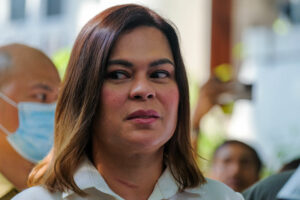
THE Senate is ready for the impeachment trial of Vice-President Sara Duterte-Carpio, Senate President Sherwin T. Gatchalian said on Tuesday, as preparations entered the final stage with the inspection of security arrangements and the venue of the trial, which starts on July 6. “We are very prepared,” he told reporters during an inspection at the Senate. “We are ready. In fact, today is the physical inspection, and we will continue to make improvements as we go along.” He said the impeachment court would still have 24 seats for senator-judges despite the suspension of Senator Jose “Jinggoy” P. Ejercito Estrada following his arrest on plunder charges and the absence of Senator Ronald “Bato” M. dela Rosa, who remains at large after an arrest warrant linked to the International Criminal Court investigation into the Duterte administration’s anti-illegal drug campaign. Mr. Gatchalian also said the Senate would accommodate as many as 150 members of the public who wish to observe the proceedings in person after easing heightened security measures. “We have a visitor management system,” he said. “That is where they’ll register. Not all can be accommodated. It will be on a first-come, first-served basis.” On Monday evening, Mr. Gatchalian signed the pre-trial order, which has been transmitted to both the prosecution and defense teams. The House of Representatives prosecution panel listed 57 witnesses, including “Mary Grace Piattos,” who allegedly received confidential funds from the Office of the Vice-President, and Ramil S. Madriaga, who previously claimed to have served as Ms. Duterte’s bagman. The defense identified 45 witnesses, including Mr. Madriaga, former Executive Secretary Lucas P. Bersamin and former Budget Secretary Amenah F. Pangandaman. Seventeen witnesses appear on both parties’ lists, including former Senator Antonio F. Trillanes IV, Ms. Pangandaman and Ombudsman Jesus Crispin C. Remulla. The impeachment court released the pre-trial order four days after the five-day pre-trial conference concluded, later than its initial target date of June 25. Under the order, hearings are scheduled at 2 p.m. every Monday, Tuesday and Wednesday until July 27. Beginning July 28, sessions will start at 3 p.m. every Tuesday, Wednesday and Thursday until the trial concludes. The prosecution proposed 62 trial dates, while the defense proposed 30. Based on the pre-trial order, Article I, which covers the alleged misuse and misappropriation of confidential funds, accounts for 31 proposed trial dates. Article II, which deals with alleged unexplained wealth, has 12 trial dates, while Article III has eight. Article IV, which concerns the alleged assassination plot against the President, his wife and the former Speaker, has 11 proposed trial dates. The impeachment court also approved the use of both English and Filipino during the proceedings, a proposal earlier sought by the prosecution, and directed both parties to submit comments on the pre-trial order within three days of receiving it. Ms. Duterte faces four articles of impeachment accusing her of misuse of confidential funds, unexplained wealth, bribery and plotting to assassinate President Ferdinand R. Marcos, Jr., First Lady Louise Araneta-Marcos and Leyte Rep. and ex-Speaker Ferdinand Martin G. Romualdez. She has denied the allegations. — Kaela Patricia B. Gabriel
多角的分析
副大統領の弾劾裁判は、フィリピン経済における不確実性を高める要因となり得る。特に、機密資金の不正使用や説明不能な資産といった疑惑は、公的資金の管理に対する懸念を呼び起こし、投資家の信頼に影響を与える可能性がある。過去の同様の政治的不安は、国内消費の低迷や外国直接投資の鈍化を招いた事例がある。裁判の長期化は、経済政策の実行を遅延させるリスクも孕んでいる。
投資家は、副大統領の弾劾裁判の展開を注視するだろう。特に、疑惑の内容が公的資金の不正流用や汚職に関わる場合、フィリピンのガバナンスに対する懸念が高まり、市場のボラティリティが増大する可能性がある。過去の政治的混乱期には、株式市場の低迷や通貨安が見られた。裁判の結果次第では、特定のセクターへの影響も懸念される。
副大統領の弾劾裁判は、国民の政治への関心を高める一方で、社会的な分断を深める可能性もはらんでいる。特に、機密資金の使途や説明不能な資産といった疑惑は、国民の税金がどのように使われているのか、という根本的な問いを投げかける。過去の弾劾裁判では、国民の支持率や世論が裁判の行方に影響を与えた例があり、今回も同様の現象が起こりうる。地方や都市部での生活実感に、政治的不安がどのように影響するかが注視される。
背景・歴史的文脈
フィリピンにおける弾劾裁判は、過去にも大統領や最高裁判所長官に対して行われてきた。2001年のジョセフ・エストラーダ大統領弾劾裁判や、2018年のマリア・ルイーザ・デ・リオン最高裁判所長官弾劾裁判などが記憶に新しい。これらの裁判は、しばしば政治的な駆け引きや世論の動向に大きく左右されてきた。副大統領サラ・ドゥテルテ・カルピオ氏に対する今回の弾劾は、現職副大統領としては異例であり、その背景には、現大統領との関係性や、過去のドゥテルテ政権下での政策の継続性・断絶といった複雑な政治力学が絡んでいると考えられる。
原文ソース
BusinessWorld Nation