Vietnam Accelerates STEM Workforce Development for Strategic Technologies
Technology
2026年7月4日
5
VietnamPlus English

Vietnam Accelerates STEM Workforce Development for Strategic Technologies

AI サマリー

Vietnam is accelerating the development of its STEM workforce to support strategic technologies like AI and semiconductors through increased investment in STEM education. Initiatives include enhanced scholarships for graduate students, nationwide model lesson plans, and digital infrastructure development, aiming for a transition to an innovation-driven economy.

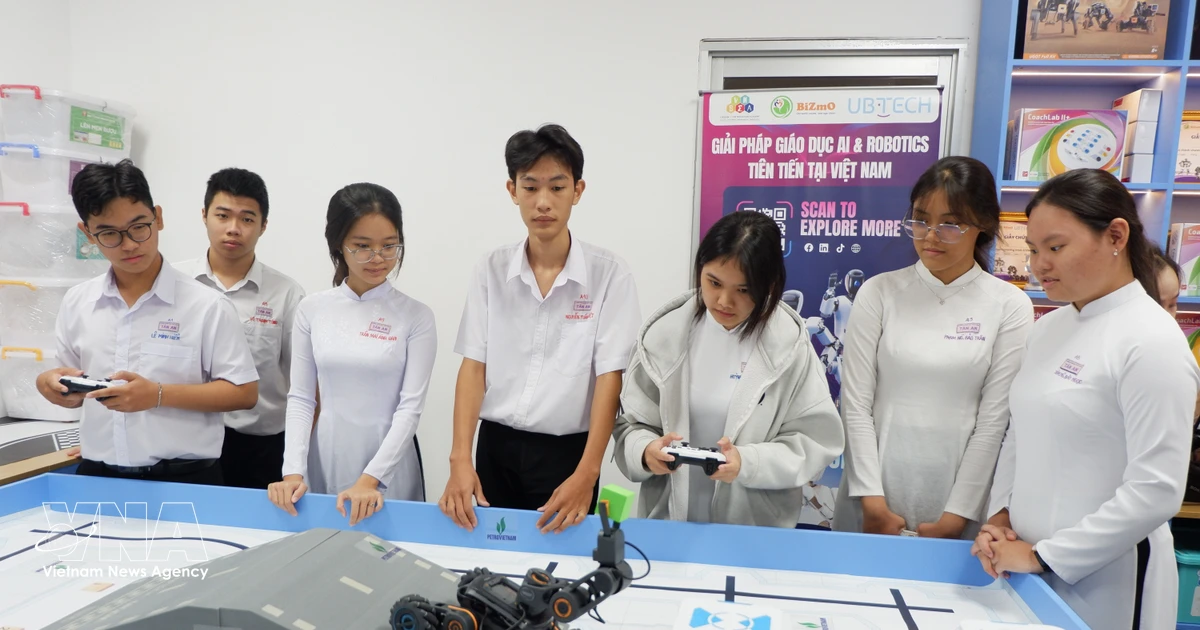
Vietnam is accelerating the development of its workforce in strategic technology sectors, including artificial intelligence (AI), semiconductors, and clean energy, through enhanced investment in STEM (Science, Technology, Engineering, and Mathematics) education. This initiative aligns with the Politburo's Resolution No. 57-NQ/TW, which identifies science, technology, innovation, and digital transformation as key drivers of national development. Under a new proposal, undergraduate students could receive monthly stipends ranging from 3.7 million VND to 5.5 million VND ($140–$210 USD), while master’s and doctoral students could receive up to 8.4 million VND ($318 USD) per month. This aims to create an environment where talented individuals can focus on research and development. Educational programs are being implemented to connect educators, students, and industry representatives. Three sites in Hanoi, Nguyen Hue High School in Lao Cai, and Chau Thanh High School in Ho Chi Minh City are part of this initiative. The plan includes 13 model lesson plans for nationwide implementation, intended to improve the quality and consistency of STEM education across the country. Vietnam has been streamlining its regulatory framework and establishing mechanisms to spur innovation and technology adoption, moving away from a resource-heavy approach to one focused on practical results. The nation aims to transition from a resource-driven economy to one powered by innovation, knowledge, and talent, seeking genuine technological competitiveness rather than relying on cheap labor. Furthermore, the country is expediting its national digital transformation. All administrative agencies from provincial to commune levels are connected to a dedicated data transmission network, and all villages now have access to mobile and internet services, laying the groundwork for secure and sustainable digital services. Vietnam has also called for enhanced cooperation and the establishment of common regional frameworks for emerging strategic technologies like AI, big data, space technology, and cybersecurity within ASEAN. This effort aims to create a secure digital business environment and improve the region's overall competitiveness. In the semiconductor sector, Vietnam's ecosystem includes approximately 60 chip design companies, around 7,000 chip design engineers, and 166 universities offering related training programs. Initial registrations indicate demand for prototyping around 30,000 chips. Experts caution against the "technology protectionism trap," where heavy investment in products solely for the domestic market leads to a lack of international competitiveness. Proposals include developing a "borderless national intellectual network" to leverage the expertise of Vietnamese professionals living abroad. Source: VietnamPlus English

多角的分析

経済的影響

ベトナムは、従来の製造業中心から脱却し、高付加価値産業へのシフトを目指しています。STEM分野への投資拡大とデジタル変革の推進は、イノベーション主導型経済への転換を加速させるための重要な戦略です。これにより、国内産業の競争力強化と、グローバルサプライチェーンにおけるベトナムの地位向上を目指します。特に、半導体分野への注力は、長期的な経済成長の起爆剤となり得ますが、国際的な技術競争の激化や、国内人材育成のスピードが追いつくかが課題となります。

投資家心理

ベトナムのSTEM人材育成強化とデジタル変革推進は、テクノロジー分野への投資機会を拡大させる可能性があります。特に、AI、半導体、サイバーセキュリティといった戦略技術分野は、将来的な成長が見込まれます。しかし、規制のボトルネック解消、知的財産権保護の強化、そして国際的な技術標準への適合などが、投資家にとっての重要な検討事項となります。また、政府の政策の一貫性と、実行能力も、投資判断に影響を与えるでしょう。

社会的影響

STEM教育の強化は、若年層の雇用機会を拡大し、所得向上に繋がる可能性があります。しかし、都市部と地方部での教育格差、そしてデジタルデバイドが新たな社会課題となる可能性も指摘されます。また、高度な技術を持つ人材の海外流出を防ぎ、国内での活躍を促すための環境整備が求められます。ホーチミン市やハノイといった主要都市での教育プログラムの展開と、地方の学校との連携が、全国的な教育水準の向上にどう影響するかが注目されます。

市民の声

ベトナム国民、特に若年層にとって、STEM教育の強化は将来のキャリアパスを広げる機会となります。奨学金制度の拡充は、経済的な負担を軽減し、より多くの学生が高度な教育を受けられるようにするでしょう。しかし、教育の質が全国で均一に保たれるか、そして卒業後に期待されるような雇用機会が創出されるかが、彼らの生活実感に直接影響します。また、デジタルインフラの整備は、生活の利便性を向上させる一方で、情報格差の拡大という側面も持ち合わせています。

背景・歴史的文脈

ベトナムは、1986年のドイモイ(刷新)政策以降、市場経済化を進め、急速な経済成長を遂げてきました。当初は安価な労働力を活用した製造業が中心でしたが、近年、政府はイノベーションと技術開発を国家発展の新たな柱と位置づけています。2021年に採択された党大会決議では、科学技術、イノベーション、デジタル変革を「ブレークスルー・ドライバー」と明記し、国家の競争力強化を目指す方針を打ち出しました。今回のSTEM人材育成強化策は、この長期的な国家戦略の一環であり、特にAIや半導体といった先端技術分野への投資は、グローバルな技術覇権争いの中で、ベトナムが独自の地位を確立しようとする意欲の表れと言えます。

原文ソース

VietnamPlus English

原文を読む