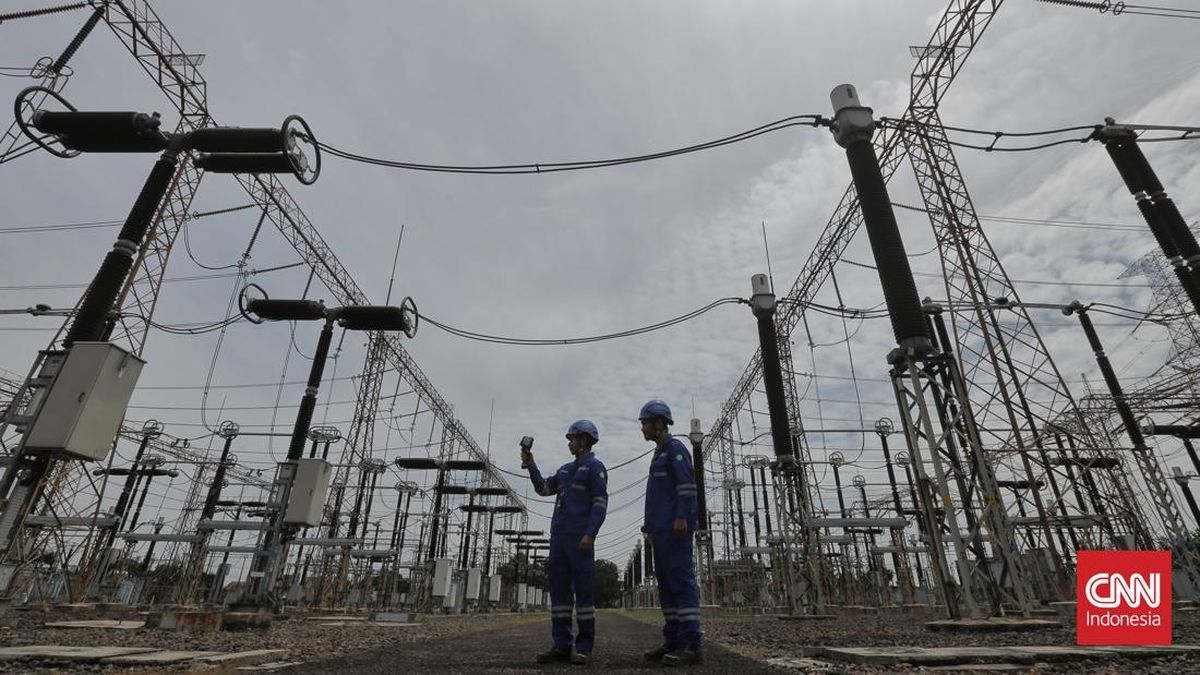
Kalimantan Power Outages Linked to Extreme Heat Affecting Generators
Infrastructure
2026年7月6日
5
CNN Indonesia

Kalimantan Power Outages Linked to Extreme Heat Affecting Generators

AI サマリー

Indonesia's state electricity company PLN attributed recent widespread power outages in Kalimantan to reduced generator capacity caused by extreme heat. PLN stated that coal or primary energy shortages were not the cause and recovery efforts are underway.

PT PLN (Persero), Indonesia's state-owned electricity company, has shed light on the reasons behind the power outages that affected Kalimantan last week. According to PLN, the prolonged blackouts were primarily caused by a reduction in generator capacity due to extreme heat, rather than any shortage of coal or primary energy supplies. Mukhlis Zarkasih, the Manager of Communication and Corporate Social Responsibility (TJSL) for PLN UID West Kalimantan, elaborated on the situation. He explained that the exceptionally high ambient temperatures led to a phenomenon called 'derating,' where the efficiency and output of power generators are significantly diminished. Mukhlis stressed that the issue was not related to a lack of coal reserves or other essential energy inputs. He further clarified that the electricity system in West Kalimantan currently maintains a power surplus. However, the available power reserves are not excessively large, necessitating careful management during the recovery period. PLN is actively working to expedite the restoration of the affected generator units to ensure that electricity supply in Pontianak and its surrounding regions can return to normal as quickly as possible. Mukhlis appealed for public understanding regarding the inconvenience caused. PLN Unit Induk Distribusi (UID) West Kalimantan had implemented rotational power outages in several parts of Pontianak city starting Friday, July 3rd. These outages were scheduled in three shifts, with each lasting approximately five hours. Mukhlis stated that this measure was taken to safeguard the reliability of the electricity system while the affected generator units were being repaired, thereby preventing a more widespread and prolonged disruption. In a related development, Made Hary Palguna, Manager of PT PLN (Persero) UP3 Singkawang, highlighted that priority is being given to essential facilities such as hospitals and public service offices amidst the ongoing rotational blackouts in Singkawang city. These outages are a consequence of disruptions in the generator system. Repair work commenced on Thursday, July 2nd, but power supply has not yet fully stabilized, requiring continued rotational outages of up to five hours in certain areas. Palguna assured that PLN is dedicating its full resources to accelerate the recovery of the system, aiming for a swift return to normalcy for electricity supply in Singkawang city. He reiterated the commitment to prioritize power delivery to vital services to ensure uninterrupted public operations. Field observations on Saturday, July 4th, confirmed that rotational power outages occurred in several areas of Singkawang city, including Jalan Alianyang, Pelangi, Terminal Induk, Kuala, Jalan Yos Sudarso, and Jalan Ahmad Yani. The duration of these outages ranged from five to seven hours. Source: CNN Indonesia

多角的分析

経済的影響

カリマンタン島での大規模停電は、地域経済活動に直接的な打撃を与えている。特に、暑熱による発電機能力低下という原因は、気候変動の影響がインフラに及ぼす脆弱性を示唆している。電力供給の不安定さは、工業生産、商業活動、そして家庭生活のあらゆる側面に悪影響を及ぼし、短期的な経済損失だけでなく、長期的な投資意欲の減退にもつながりかねない。PLNの復旧努力は不可欠だが、根本的な原因への対策、すなわち発電インフラの気候変動への耐性強化や、再生可能エネルギーへの転換が急務である。

投資家心理

今回の停電は、インドネシアのインフラ、特に電力供給の安定性に対する投資家の懸念を再燃させる可能性がある。カリマンタン地域は資源開発などで経済的重要性を持つため、電力供給の不安定さは、現地の事業活動だけでなく、将来的な新規投資にもリスク要因として映るだろう。PLNの対応能力と、気候変動への適応策が明確に示されない限り、電力関連インフラへの投資判断は慎重になることが予想される。特に、長期的な視点でのインフラ投資を検討する際には、気候変動リスクを織り込んだ計画が求められる。

社会的影響

カリマンタン島での輪番停電は、地域住民の日常生活に大きな影響を与えている。高温下での停電は、冷房が使用できず熱中症のリスクを高めるだけでなく、通信、医療サービス、そして家庭での基本的な生活活動をも困難にする。特に、医療機関への電力供給が優先されるのは当然だが、一般家庭での不便さや不安は無視できない。シンクワン市での停電が5〜7時間にも及ぶことは、住民の生活の質を著しく低下させる。PLNの迅速な復旧努力が求められると同時に、気候変動によるインフラへの影響という、より広範な社会課題への取り組みが問われている。

市民の声

カリマンタンの市民、特にポンティアナックやシンクワンの住民は、異常な暑さと停電の二重苦に苦しんでいる。熱帯気候の地域では、電力は冷房や扇風機に不可欠であり、それが断たれることは単なる不便を超え、健康被害のリスクを高める。シンクワン市で最大7時間もの停電が発生していることは、日中の活動を著しく制限し、夜間の休息も妨げる。PLNが復旧を急いでいるとはいえ、住民はいつ電力が復旧するか分からない不安の中で生活している。病院への優先供給は理解できるが、一般家庭での生活への影響を最小限に抑えるための、より迅速で効果的な情報提供と対応が求められる。

背景・歴史的文脈

インドネシアは熱帯地域に位置し、年間を通じて高温多湿な気候が特徴である。特に近年、気候変動の影響とされる記録的な猛暑が観測されており、電力インフラへの負荷が増大している。PLNは国営企業として、国内全土への電力供給を担っているが、特にインフラ整備が遅れている地域では、発電能力の不足や設備の老朽化が課題となっている。過去にも、インフラの不備による大規模停電は度々発生しており、経済活動や国民生活に影響を与えてきた。今回のカリマンタンでの停電は、気候変動という新たな要因が、既存のインフラの脆弱性を露呈させた形と言える。

原文ソース

CNN Indonesia

原文を読む
Kalimantan Power Outages Linked to Extreme Heat Affecting Generators | NEWS-BRAIN