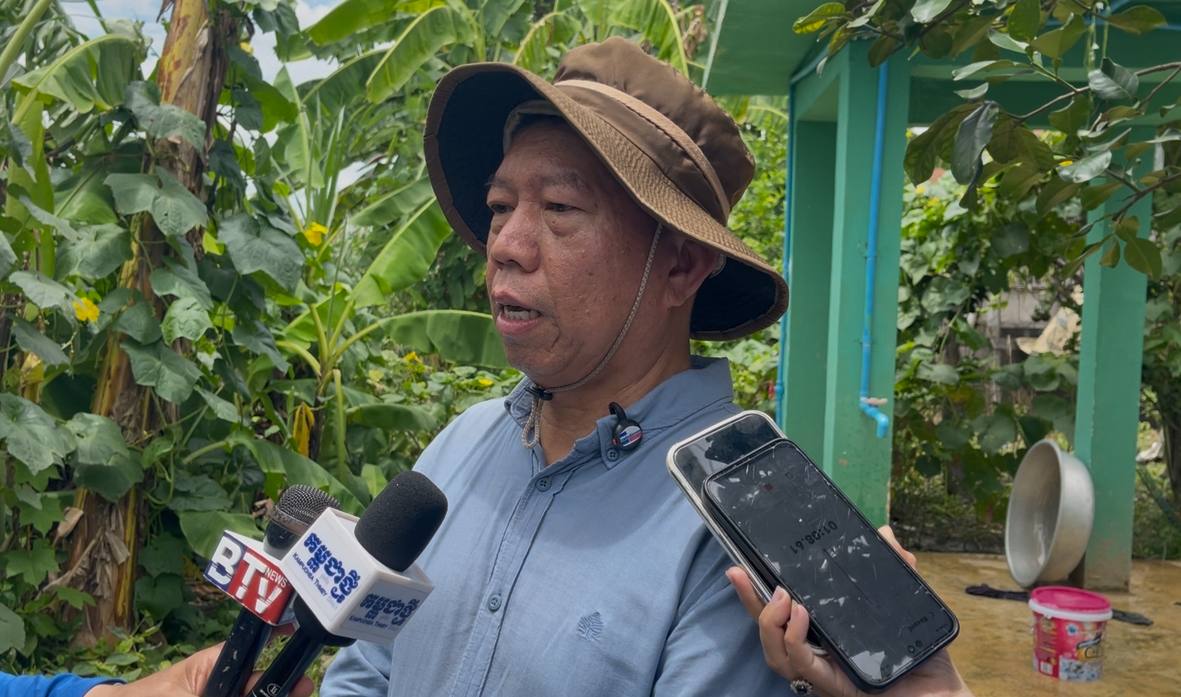
Cambodia to Officially Register Indigenous Sacred and Burial Sites for Traditional and Tourism Purposes
Culture
2026年7月17日
6
AKP Khmer

General articles are free for 24 hours after publish.

Cambodia to Officially Register Indigenous Sacred and Burial Sites for Traditional and Tourism Purposes

AI サマリー

Indigenous communities in Cambodia's Pursat province are seeking official registration of their sacred forests and burial grounds as collective property. This move aims to preserve their traditional culture and beliefs while also developing them as tourism attractions, with the Ministry of Environment expressing support.

Pursat Province, Cambodia – Indigenous communities of the Chong and Por ethnic groups residing in Tades village, Samrong commune, Phnom Kravanh district, Pursat province, are strongly advocating for the official registration of their sacred forests and burial grounds under collective community ownership. This initiative is seen as a crucial step towards preserving their traditional culture, beliefs, and customs for future generations. The official recognition of these lands will solidify their status as community property, enabling continued use for traditional rituals and spiritual practices, and potentially developing them as future tourism attractions. Mr. Sarou Vuth, President of the Samrong Community Partnership, stated that his community comprises over 270 families, including Chong, Por, and Khmer ethnic groups. Among them, the Por ethnic group consists of 30 families, and the indigenous Chong group has 35 families, with the remainder being Khmer. According to Mr. Vuth, a segment of the indigenous Chong and Por people continue to adhere to their traditional livelihoods, relying on forest products such as wild yams, roots, and forest fruits for both subsistence and sale. In their effort to preserve their traditions, the community is requesting the official registration of a sacred forest area known as "Arak Forest," spanning 24 hectares, and another plot of land used as a burial ground, covering 4 hectares. They believe that clearly defining and registering these areas will help protect the identity of the indigenous peoples, enhance their appeal as tourist destinations, and prevent encroachment and illegal exploitation of natural resources. Mr. San Saroeun, the village chief of Tades, emphasized that both the "Arak Forest" and the burial grounds are ancient sites of the indigenous Por and Chong peoples. Their traditional practices encompass both the tangible and intangible aspects, including spiritual reverence, prayers, and offerings. The tangible aspect refers to the specific locations or areas designated for worship according to their beliefs. Mr. Touch Sophany, Community Development Project Manager at Wildlife Alliance, informed that their organization's Royal Bouk Samkose Project focuses on 27 communities across Pursat and Battambang provinces. For Tades village specifically, Wildlife Alliance is assisting the community in securing their rights to use and venerate these ancestral lands, which have been objects of their faith for centuries. Mr. Sophany mentioned that the draft registration includes the "Arak Forest" of 24 hectares and the burial grounds of 4 hectares. The desire for official registration stems from the community's need to access and utilize these lands in accordance with their ancestral traditions. Mr. Khvay Adithya, spokesperson for the Ministry of Environment, stated that the Samrong Community Partnership area in Tades village, Pursat province, also possesses "Arak Forest" and burial grounds that are part of the traditional customs of the indigenous Chong and Por peoples. These areas serve as sites of worship and are integral to their ancestral heritage. Furthermore, these areas hold significant potential as tourism destinations. The Ministry is committed to working towards the clear demarcation of these areas to benefit the local communities and anticipates that they will contribute to both community welfare and the national economy. By: Makara

0

多角的分析

経済的影響

このニュースは、カンボジアにおける少数民族の伝統的な土地利用と経済活動の持続可能性という側面を浮き彫りにしている。ジュオン族とポル族が依存する森林産物の採取や野生のイモの採取といった生業は、伝統的な経済基盤である。これらの土地の公式登録は、彼らがこれらの資源を継続的に利用し、小規模な販売を通じて収入を得るための法的根拠を与える。さらに、聖なる森や墓地を観光資源として開発する計画は、新たな収入源の創出につながる可能性がある。ただし、観光開発が伝統的な慣習や環境に与える影響を慎重に管理する必要がある。過去には、開発と伝統文化の保護の間で摩擦が生じた例もあり、持続可能な観光モデルの確立が鍵となる。

投資家心理

投資家にとって、このニュースはカンボジアにおけるエコツーリズムや文化ツーリズムの潜在的な機会を示唆している。少数民族の文化や自然景観に焦点を当てた小規模な観光プロジェクトは、ニッチ市場で成功する可能性がある。しかし、インフラの未整備や、登録された土地の管理体制、そして地域コミュニティとの関係構築といったリスク要因を慎重に評価する必要がある。特に、伝統的な土地所有権の複雑さや、部外者による土地利用への抵抗などは、投資判断における重要な考慮事項となるだろう。長期的な視点では、カンボジア政府による文化遺産保護への取り組みは、観光セクター全体の信頼性を高める可能性がある。

社会的影響

この動きは、カンボジアにおける先住民族の権利と文化的多様性の保護という、より広範な社会課題と関連している。ジュオン族とポル族が、自分たちの聖なる場所と墓地を共同体名義で登録することを求めているのは、彼らが自分たちの文化遺産とアイデンティティを主権的に管理したいという意思の表れである。過去、カンボジアでは開発プロジェクトや資源採掘によって、先住民族の土地が奪われたり、伝統的な生活様式が脅かされたりする事例が少なくなかった。今回の登録要求は、そうした歴史的経緯を踏まえ、コミュニティが自らの文化を守り、それを次世代に継承していくための重要な試みと言える。また、これらの土地を観光資源として活用する計画は、地域経済の活性化に寄​​う可能性がある一方で、伝統的な慣習や生活様式が観光客の増加によって変容してしまうリスクもはらんでいる。

市民の声

カンボジア国民、特に少数民族コミュニティに属する人々にとって、このニュースは自分たちの伝統と文化が公式に認められ、保護される可能性を示唆している。聖なる森や墓地は、単なる土地ではなく、彼らの精神的な支柱であり、先祖との繋がりを象徴する場所である。これらの場所が共同体名義で登録されることで、彼らは自分たちの文化遺産に対するコントロールを取り戻し、外部からの干渉や土地の収奪から守ることができるようになる。また、これらの土地が観光資源として開発されることで、地域経済の活性化や雇用創ちにつながることも期待される。しかし、観光開発が進むにつれて、伝統的な生活様式や信仰が観光客の目に晒され、商業化されることへの懸念も生じる可能性がある。コミュニティの代表者たちは、文化の保護と経済的利益のバランスをどのように取るか、難しい判断を迫られるだろう。

背景・歴史的文脈

カンボジアでは、先住民族の権利保護と土地所有権の問題が長年議論されてきた。特に、経済開発の進展に伴い、先住民族の伝統的な土地が開発業者や外国企業に買収・利用されるケースが後を絶たない。2001年に制定された土地法は、土地の私的所有権を認める一方で、先住民族の共同体土地所有権の承認には時間がかかっていた。近年、政府は先住民族の文化遺産保護と観光開発を両立させる政策を推進しており、今回の聖なる森と墓地の登録要求は、こうした流れの中で、コミュニティが自らの権利を主張し、伝統文化を守るための具体的な行動と言える。

原文ソース

AKP Khmer

原文を読む