Hanoi's second airport officially added to national airport plan; Noi Bai maintains international acclaim
Vietnam's government has officially added a new airport near Hanoi to its national airport plan. Meanwhile, Noi Bai International Airport, the capital's main gateway, continues to maintain its international acclaim and has seen record passenger growth.
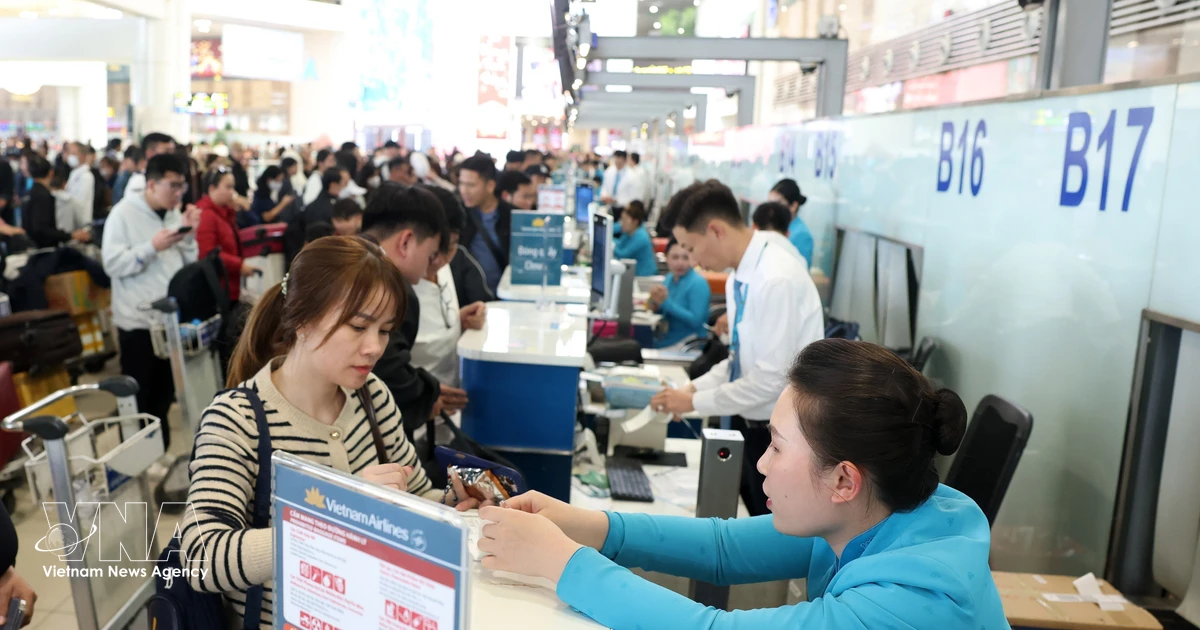
Vietnam's government has officially added a new airport near Hanoi to its national airport plan, a move seen as part of efforts to bolster the country's aviation capacity and infrastructure to support future economic growth. Noi Bai International Airport, the capital's main gateway, handled a record number of passengers on February 22, the final day of the Lunar New Year holiday. This represents a 15% increase over regular operations and a 12.4% year-on-year rise. The airport has maintained its international acclaim, climbing eight positions to 79th in the 2025 airport rankings and being named among the world's top 100 airports for the eighth consecutive year. As a socialist republic with a one-party system, Vietnam prioritizes economic growth, focusing on attracting foreign direct investment (FDI) and promoting exports while managing its complex relationship with China. Recent cooperation agreements between Guangxi (China) and Quang Ninh (Vietnam) aim to enhance connectivity in areas like smart border gate development and logistics infrastructure. Collaboration with Russia's Sverdlovsk region, a major industrial center, is also deepening. Infrastructure development is crucial for economic expansion, with ongoing construction and upgrades of national highways. However, limitations in infrastructure capacity and meeting environmental standards pose significant challenges for sustainable development. Vietnam recognizes the need to improve the quality of capital inflows by enhancing the investment environment, strengthening domestic enterprises, expanding capital markets, and promoting substantive links between FDI and domestic sectors. In terms of trade, Vietnam recorded a trade deficit of approximately $16.7 billion in the first half of the year, with exports at $266.5 billion and imports at $283.2 billion. Meanwhile, exports of wood and wood products exceeded $17 billion for the first time in 2025, reaching a record $17.2 billion. Exports to the UK, however, were only $244 million, indicating significant room for growth. Overseas promotions for Vietnamese coffee and food products are also actively underway. On the social front, smuggling and the trade of prohibited goods are becoming more sophisticated, leading to strengthened legal proceedings. Efforts are also being made to promote economic inclusion, such as financing from the ADB to support lending to women-owned micro, small, and medium-sized enterprises (WMSMEs). Source: VietnamPlus English
多角的分析
ベトナムは、インフラ整備を経済成長の鍵と位置づけ、国家空港計画への新空港追加を決定しました。これは、増加する旅客需要と、特に航空貨物輸送能力の強化を目指すものです。しかし、Resolution No. 10-NQ/TWで示された持続可能な開発目標達成には、インフラ容量の拡大と環境基準の遵守が不可欠であり、これが今後の経済成長のボトルネックとなる可能性があります。FDIの質的向上には、投資環境の改善だけでなく、国内産業の強化と資本市場の発展が求められており、これはベトナム経済の構造改革の重要性を示唆しています。
ノイバイ国際空港の旅客数増加と国際的評価の維持は、ベトナムの航空セクターへの投資魅力を高める要因です。新空港の計画は、将来的な航空需要の増加を見越したインフラ投資の機会を示唆しています。しかし、貿易赤字の拡大や、国内産業とFDIセクター間の連携強化の必要性は、投資家にとってリスク要因となり得ます。特に、投資環境の透明性向上や、規制緩和が期待されており、これらの進展が資本流入の質に影響を与えると見られます。
ノイバイ国際空港の記録的な旅客数は、ベトナムの経済成長と国際的な結びつきの強まりを反映しています。一方で、密輸や違法物品取引の巧妙化は、国内の法執行機関にとって新たな課題となっています。また、女性中小企業への融資拡大は、経済的包摂を促進する重要な一歩ですが、より広範な社会層への恩恵を確実にするためには、さらなる政策支援が求められるでしょう。地方と都市部の経済格差も、インフラ整備の恩恵が均等に行き渡るかという点で注視が必要です。
ベトナム国民にとって、ノイバイ空港の混雑緩和と将来的な利便性向上は朗報です。しかし、インフラ整備に伴う環境への影響や、経済成長の恩恵が国民全体に行き渡るかという点は、市民の関心事です。特に、貿易赤字の背景にある輸入製品への依存度の上昇は、国内産業の育成と雇用創チーへの影響を懸念させる可能性があります。スマート税関開発や物流インフラの強化は、将来的には物価やサービスへの影響も考えられます。
背景・歴史的文脈
ベトナムは1986年のドイモイ政策以来、計画経済から市場経済への移行を進め、急速な経済成長を遂げてきました。この成長を支えるため、インフラ整備は常に国家的な優先課題であり、特に航空網の拡充は国際的な貿易・観光ハブとしての地位確立に不可欠です。ノイバイ国際空港の評価向上は、ベトナムの国際的なプレゼンス向上を示す一方、国内のインフラ能力の限界は、経済成長の持続可能性への課題を提起しています。中国との関係は、経済協力と安全保障上の緊張という二面性を持ち、ベトナム外交の重要な要素となっています。
原文ソース
VietnamPlus English